
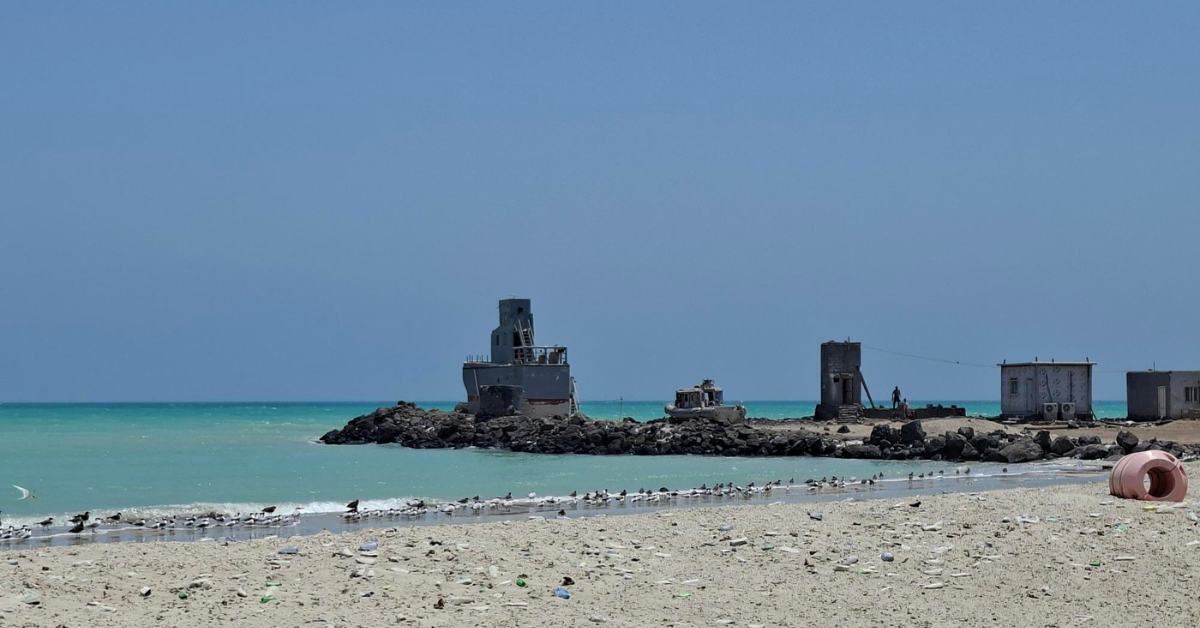
Houthi attacks in the Red Sea restart
The spate of attacks in the southern Red Sea is linked to the growing popularity of some southern leaders and Houthi concerns that a tribal coalition may be mounted against them.
Following the expulsion of the UAE from Yemen and the dismantling of its proxy, the “Southern Transitional Council”, southern Yemeni factions, along with a large swath of population have looked to Tarik Saleh as a potential new Southern Yemeni leader.
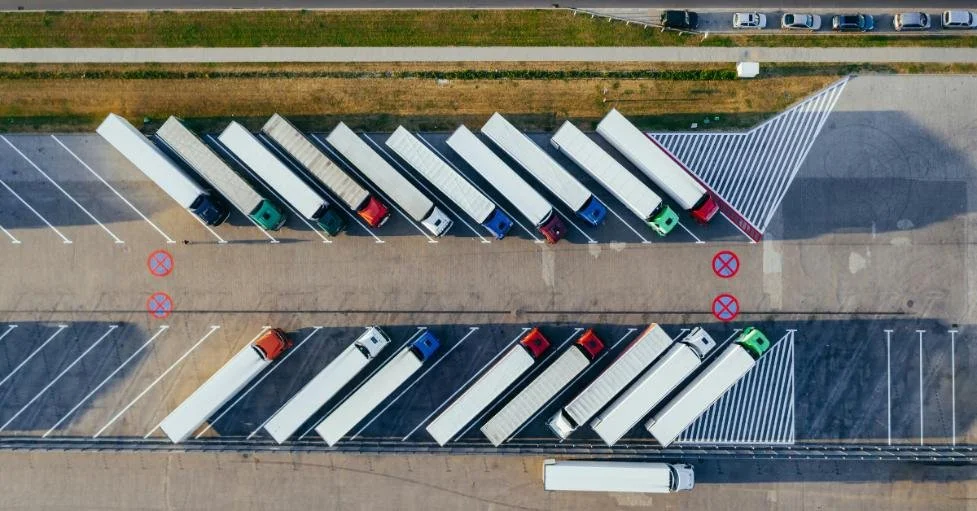
The missing link in Military Mobility: Europe's secure parking challenge
Europe's Military Mobility initiatives are designed to improve the movement of personnel, equipment, and goods across strategic transport corridors. However, while investments often focus on roads, railways, and border infrastructure, a longstanding shortage of secure truck parking continues to expose drivers and cargo to criminal activity.
As transport networks become increasingly important to both economic resilience and strategic mobility, the role of secure parking deserves greater attention.
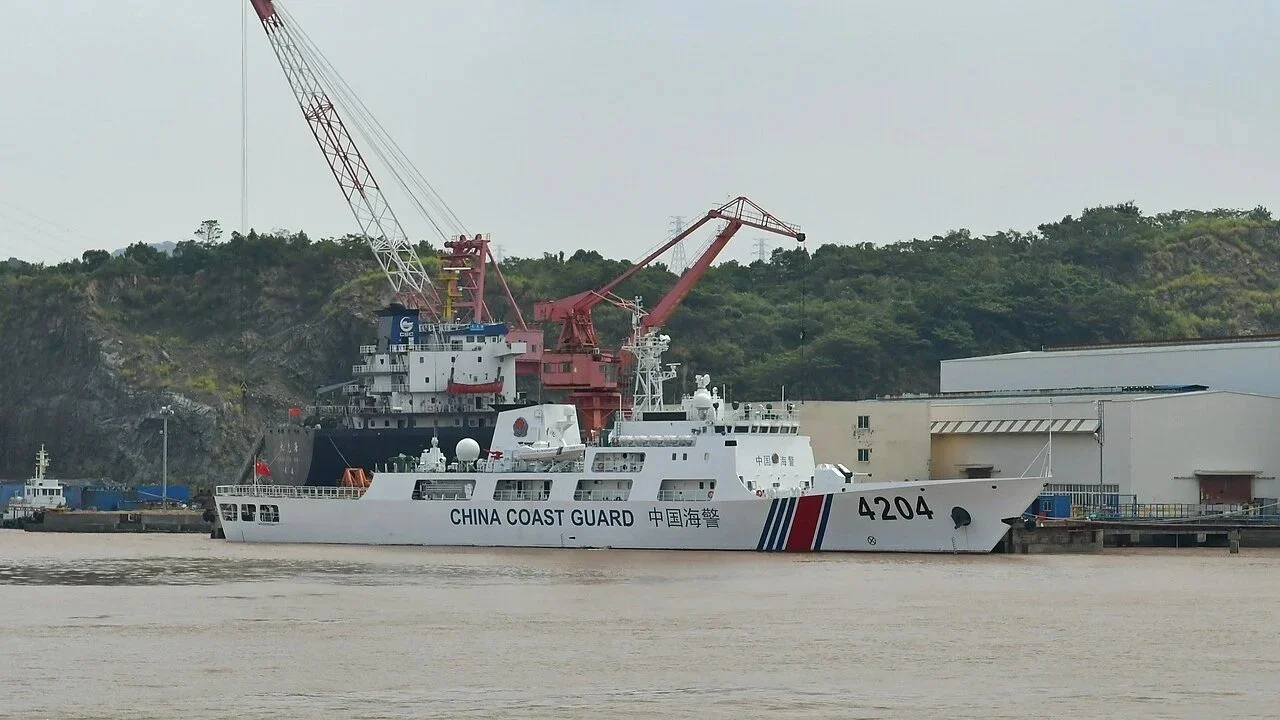
Could China control shipping around Taiwan without a blockade?
China’s growing use of coast guard and military operations around Taiwan indicates that Beijing may develop options to control maritime access without immediately resorting to a conventional blockade. Commercial shipping continues to operate, but recent patrols and Taiwan’s preparations for possible inspections or seizures highlight the risk of future delays, conflicting instructions and disruption around Taiwanese ports.

The impermanence of narcotics smuggling: emergent trends and unresolved challenges
The article explores why narcotics smuggling—particularly cocaine trafficking—remains highly relevant to commercial shipping despite the expansion of maritime security priorities.
It highlights how rising cocaine production, increasingly sophisticated concealment methods, and adaptable criminal networks are generating greater operational, legal, and security risks for vessels, crews, and global supply chains.
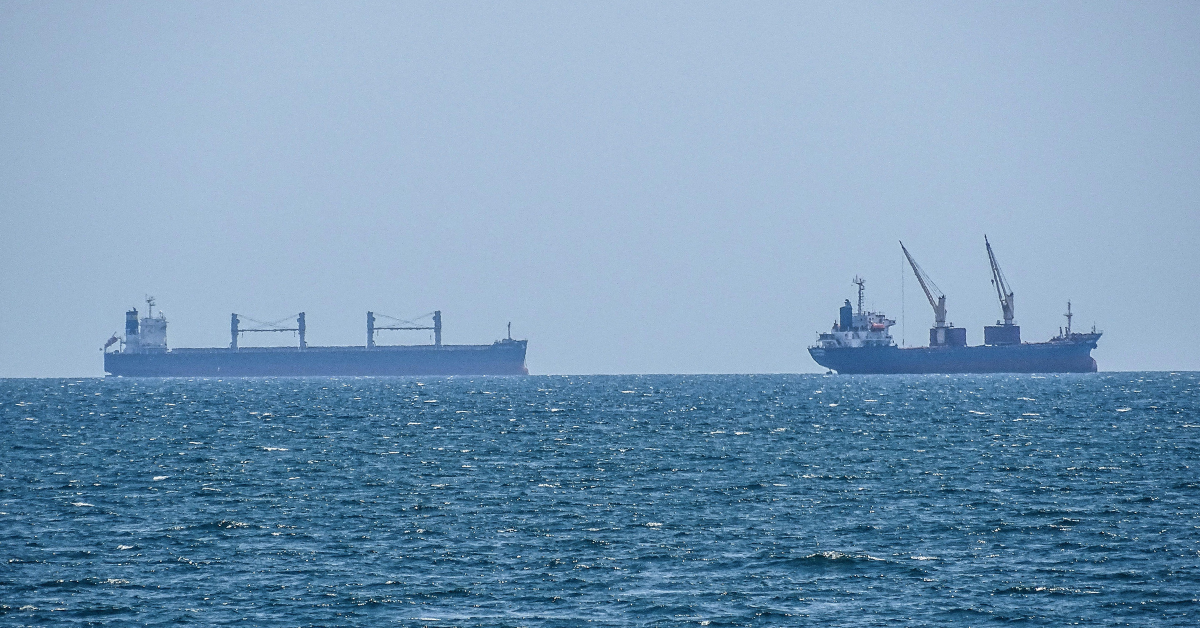
A turning point for maritime security in the Black Sea?
Ukraine’s war with Russia has entered a more dynamic phase in 2026, driven by expanded drone production, longer-range capabilities and multi-target operations.
Kyiv’s recent attacks in the Sea of Azov underline its growing operational reach, while both sides continue widening existing capabilities without necessarily escalating the conflict beyond the region.

The logistics corridor as a strategic asset: Infrastructure is strategic, but is our governance?
This piece is a short reflection on whether Europe's approach to governing its transport corridors matches the ambition of its transport corridor strategy.
The EU's updated FDI screening framework provides a timely prompt: if foreign influence over logistics infrastructure can accumulate through many instruments—equity ownership, state loans, construction contracts, warehousing, data platforms, etc.—and across multiple jurisdictions at once, are existing frameworks asking the right questions at the right level?

Will there soon be a toll on the Strait of Hormuz?
Iran is seeking to impose a transit fee in the Strait of Hormuz, thereby challenging the principle of freedom of navigation, against the backdrop of a war launched on 28 February 2026 by the US and Israel.
Taking advantage of deadlocks in negotiations, Tehran is adopting a delaying tactic based on maximalist demands to consolidate de facto control of the strait and legitimize a toll system.

The Russia-Ukraine war and the spillover into the Baltic
The Baltic Sea has undergone a marked transformation during 2025 and into 2026, shifting from a relatively low-tension maritime environment to one increasingly shaped by the direct spillover of the Russia–Ukraine war.
What initially appeared as a mix of hybrid activity, sanctions enforcement, and electronic interference has developed into a sustained and multidimensional risk environment.

GNSS interference near Port Sudan: Patterns, escalation, and geopolitical implications
This brief assesses the emergence and evolution of GNSS interference activity in the vicinity of Port Sudan amid Sudan’s ongoing civil war.
Analysis of interference events between April 2023 and April 2026 shows a clear temporal and spatial correlation with key phases of the conflict, particularly RSF aerial and drone strikes, suggesting reactive use of electronic warfare as a countermeasure rather than persistent area denial.

Central Asia’s Middle Corridor: A strategic shock absorber for China–Europe trade
Central Asia’s Middle Corridor has emerged as a strategic alternative linking China and Europe, strengthening supply chain resilience in the face of heightened geopolitical risk.
Sustained political engagement between European and Central Asian governments, alongside targeted investments along the corridor, demonstrates a clear systemic intent to position the route as a shock absorber for China–Europe trade.
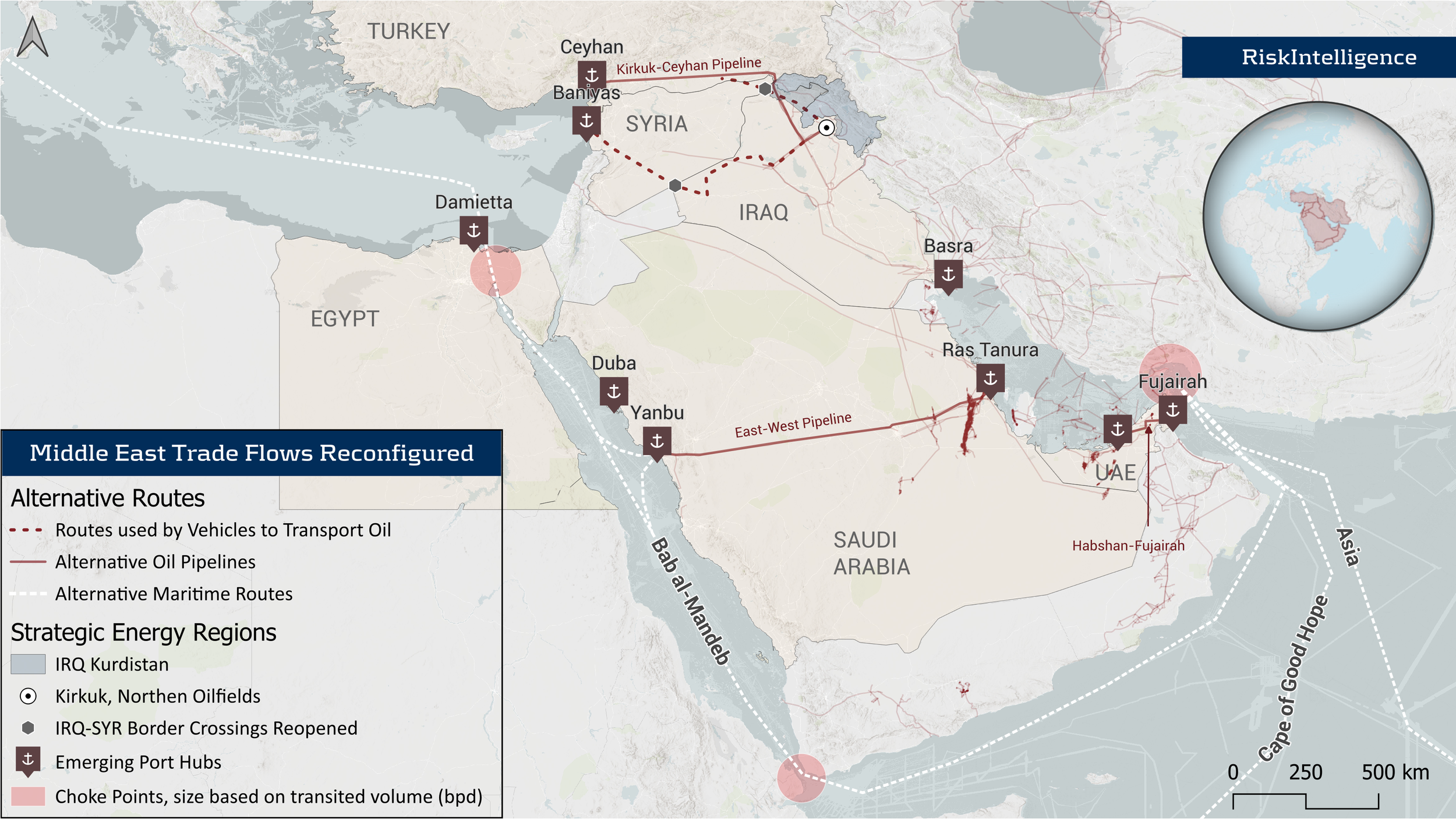
Impact of military operations in Iran on the redistribution of energy from the Persian Gulf
The Strait of Hormuz remains a choke point in the global energy supply chain. Heightened threats have pushed exporters to rely increasingly on alternative routes and ports, including southern Gulf terminals, pipeline-linked outlets, and longer maritime detours.
These new routes face elevated security, operational and cost risks, disproportionately affecting countries most dependent on rerouted energy exports.

Positive trends in Asian Q1 maritime security statistics
While sea patrols on the Singapore Strait have contributed towards a reduction in vessel boardings, armed perpetrators continue to pose a physical threat to the safety and welfare of seafarers.
The first quarter of 2026 saw a continuation of the benefits realised with the introduction of patrols by the Indonesian Marine Police (IMP) on the waters of the Singapore Strait in July 2025. Compared with the 37 vessel boardings reported during the first quarter of 2025, the 10 incidents reported in 2026 represent a 73% decrease.

Syria's oil and gas sector – opportunities and challenges
Syria’s oil and gas sector is emerging as a central lever in the country’s fragile post‑war transition, but structural damage, fragmented territorial control and unresolved political contests mean that a sustained revival will be slow and prone to disruption.
The sector’s trajectory will hinge on the settlement between authorities in Damascus and the Kurdish-led administration in the northeast, as well as on how external patrons and commercial partners position themselves amid uncertain contracts and severe governance deficits.
Grey zone pressure in the Taiwan Strait
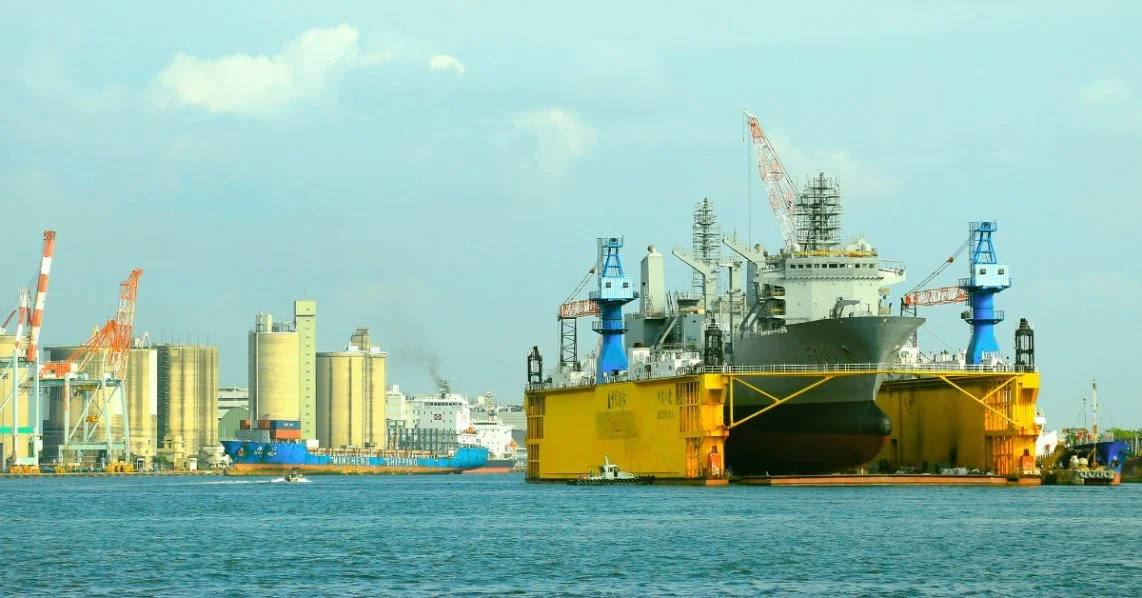
Tensions in the Taiwan Strait remain elevated as China continues to apply sustained “grey zone” pressure against Taiwan. These operations, which include large-scale military drills, air and naval incursions, missile exercises and coast guard patrols, are designed to signal resolve without triggering open conflict. While commercial shipping has not been directly targeted, the operational environment is becoming increasingly complex.
Since 2022, China has normalised frequent People’s Liberation Army (PLA) activity around Taiwan. Joint air-sea exercises often simulate blockades or encirclement manoeuvres.
Europe’s land-based logistics in the grey zone: Vulnerability in an age of hybrid threats
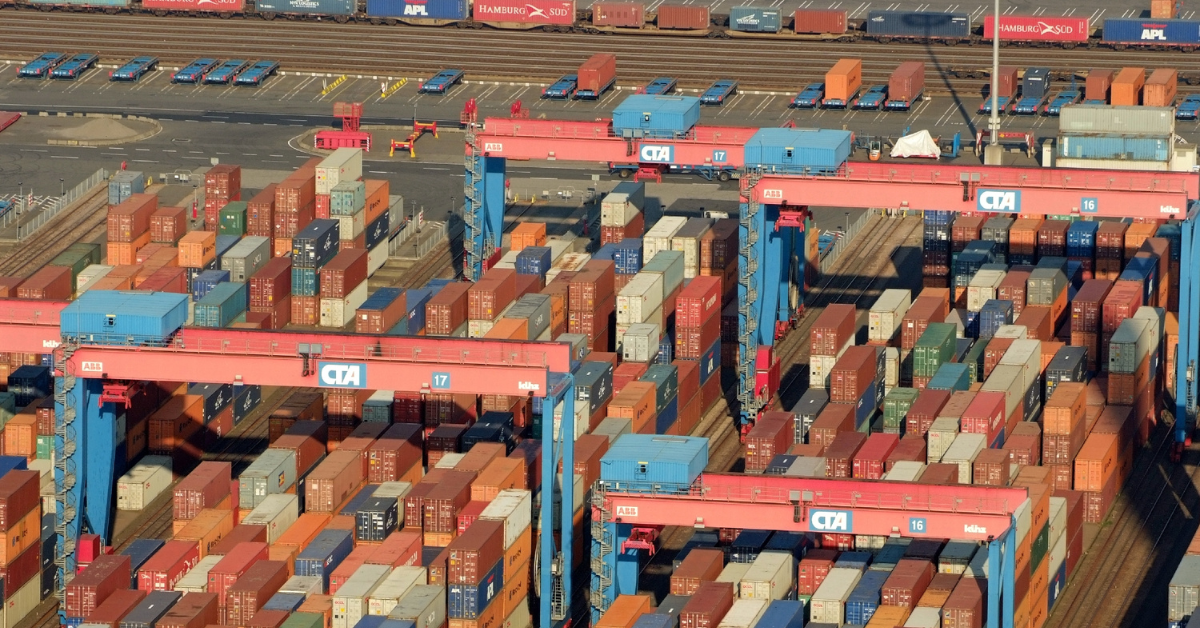
Hybrid threats are redefining the vulnerability of European land-based logistics by exploiting their interconnected, dual-use nature below the threshold of open conflict, as even small-scale, ambiguous acts of disruption can produce disproportionate operational and psychological effects.
This piece aims to shed light on how and why this evolution materialises, and to highlight that resilience, rapid recovery, and integrated coordination are vital for continuity in today’s landscape.
Geopolitical tensions and threats impacting bulk carriers
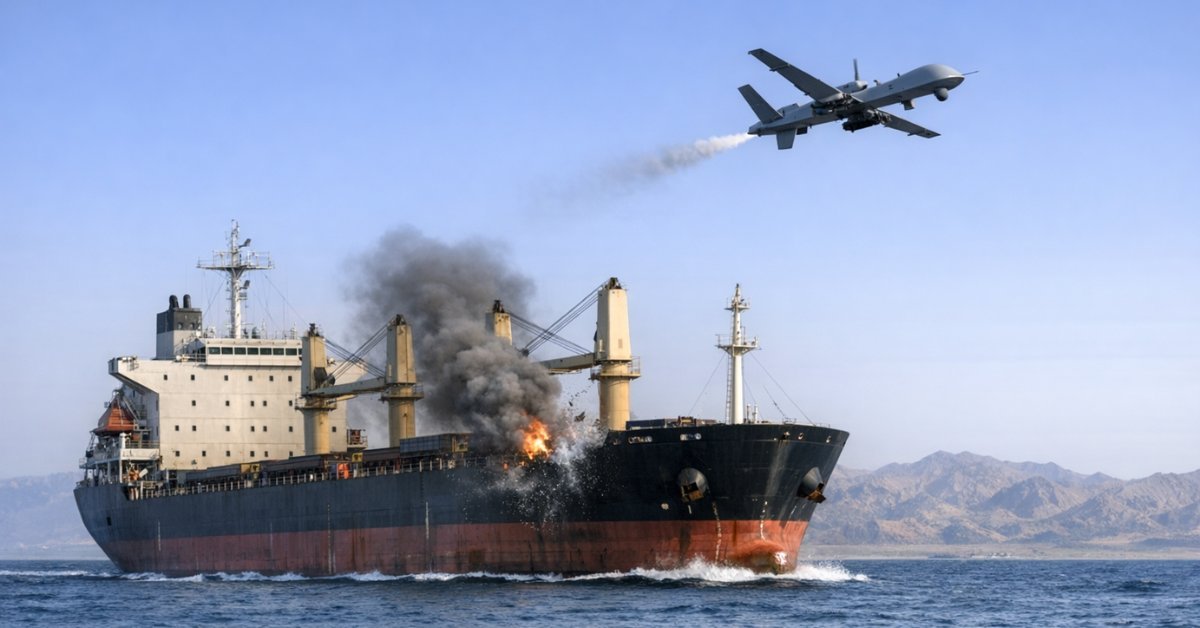
Although very common in maritime trade, bulk carriers are particularly vulnerable during crises, as demonstrated by attacks in the Black Sea and the Red Sea. Their slowness, poor manoeuvrability and long stopover times make them more vulnerable to strikes, hijackings or pirate attacks.
Although they are not major symbolic targets, unlike oil tankers or container ships, they remain popular for drug trafficking thanks to their many possible hiding places and the variety of ports they can serve.
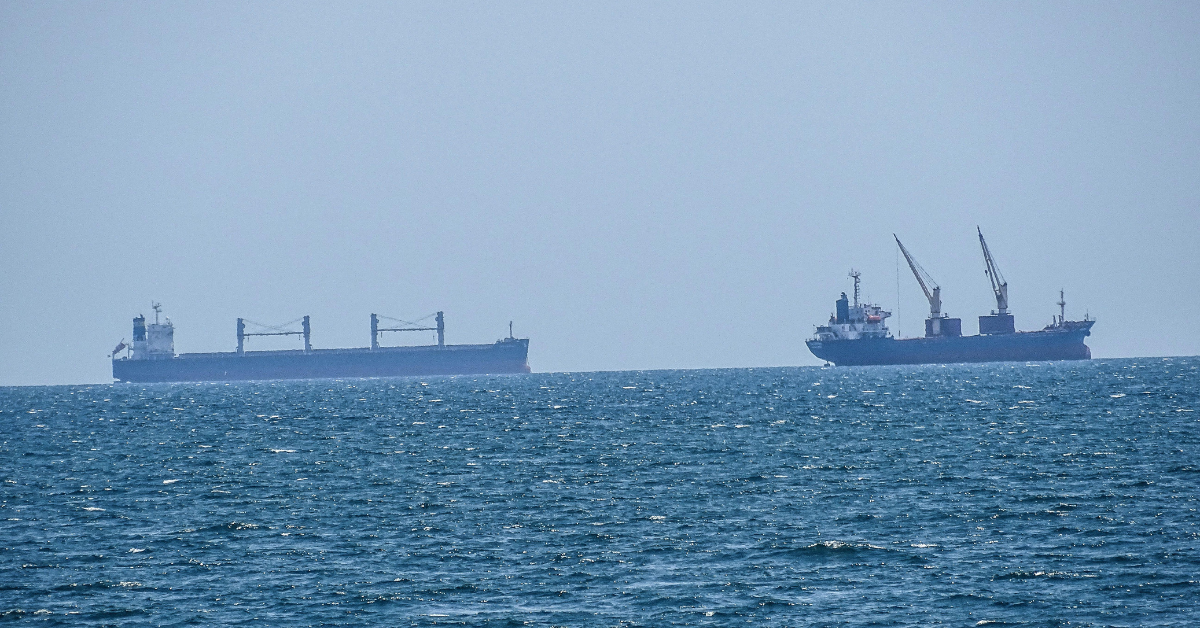
Will 2026 be different for maritime security in the Black Sea?
It was previously assumed that 2024 would not see any developments to end the war in Ukraine and 2025 proved similar. Although there were continued varying degrees of intensity in terms of incidents in the Black Sea, the statistics on maritime related incidents indicate that 2025 was largely similar to 2024.
The political and diplomatic efforts made to establish a viable peace or ceasefire during 2025 did not bring about any tangible change to the overall situation.

Venezuela sets the stage for a challenging year
The new year has started with a display of power by the US and a shifting of international norms, casting a spotlight on a potential new cast of maritime security challenges for 2026.
Against the expectations of many observers, the US increased pressure against Venezuela not by new strikes against drug trafficking or even military infrastructure, but a dramatic operation to capture President Maduro and his wife to bring them to trial in the United States. This effectively ended his presidency overnight but also upended assumptions about what the US will or will not do in support of its foreign policy goals.
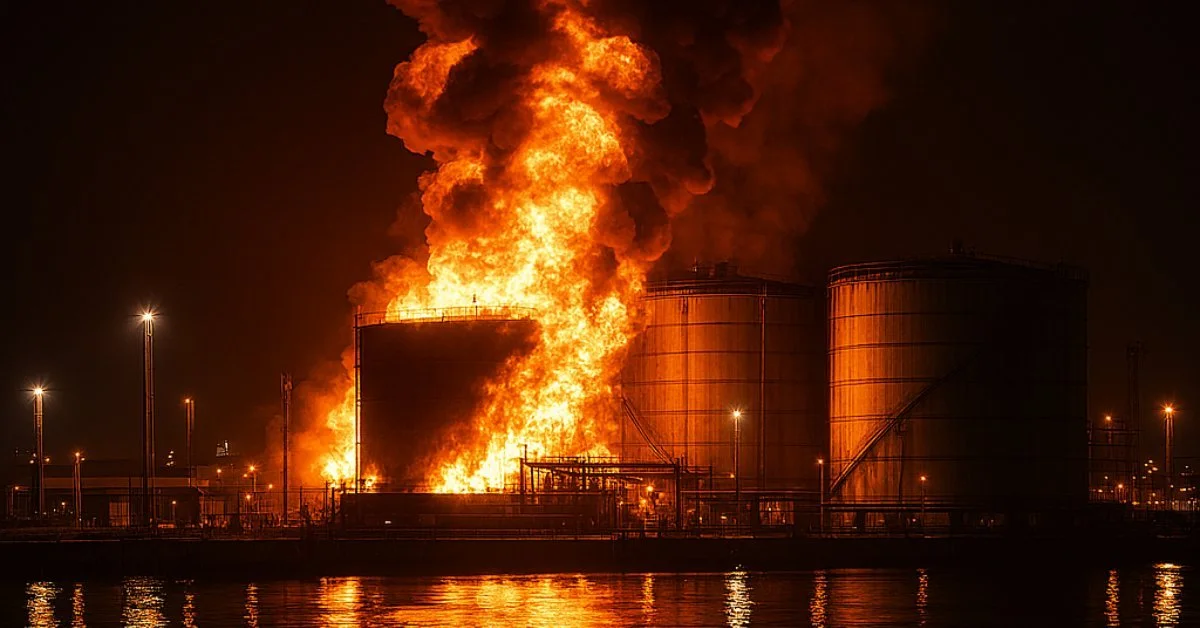
Russia’s strategic calculus: Renewed campaign of port attacks not expected after vessel strikes
In late November and early December 2025, Ukraine successfully struck Russian vessels in the Black Sea, presenting Moscow with a strategic dilemma. While re-targeting Ukrainian ports remains an option, Russia has so far avoided committing significant energy to such operations.
Instead, the Kremlin continues its established strategy of targeting Ukraine’s critical energy, transport, and heating infrastructure, aiming to make the winter months as difficult as possible for the civilian population.
Critical minerals at sea: China’s dual-use ports and influence on European supply chains
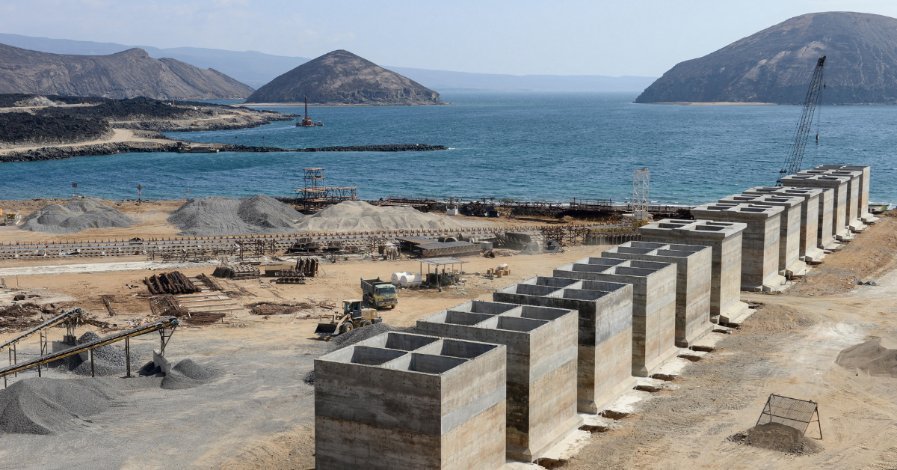
Europe’s clean energy transition and defence modernisation rely on secure maritime access to critical minerals, over 80% of which are traded by sea. Yet, Europe remains dependent on Chinese refining and is increasingly exposed to Beijing’s expanding overseas maritime footprint, including stakes in key dual-use port infrastructure and logistics networks.
Chinese-linked facilities along major logistic hubs potentially facilitate enhanced visibility of, and leverage over, global mineral flows.