
Unmanned vehicles and disruptive technologies in Latin America: Emerging capabilities
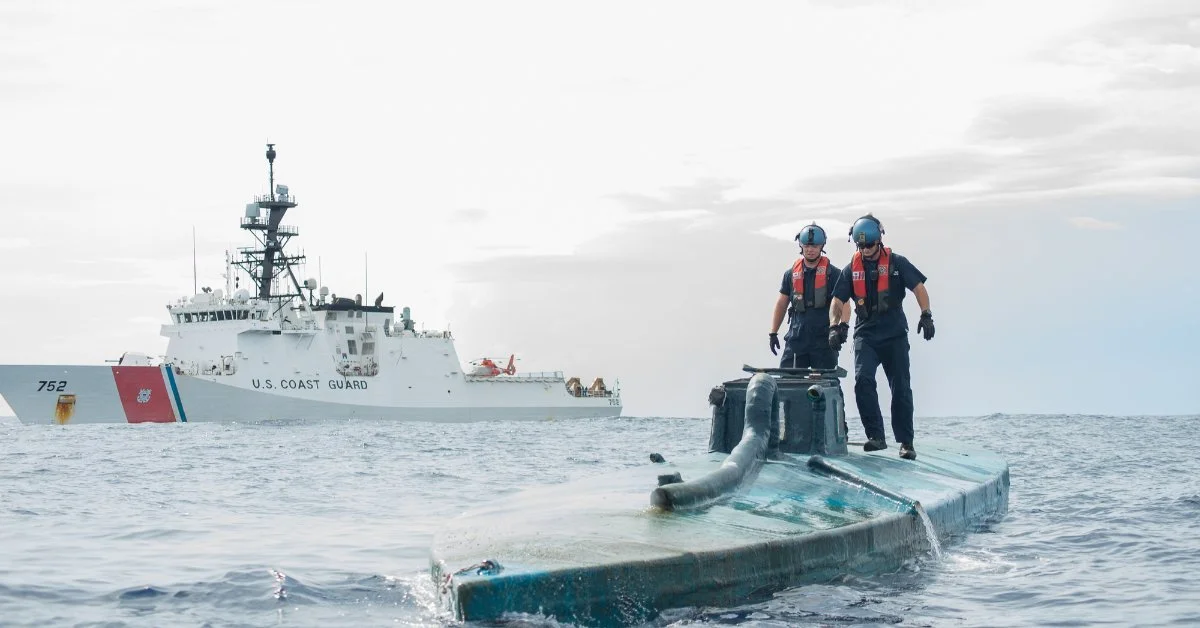
A Coast Guard Cutter Stratton boarding team investigates a self-propelled semi-submersible interdicted in international waters off the coast of Central America , July 19, 2015. Attribution: Coast Guard, Public Domain, via Wikimedia Commons
22 August 2025
Unmanned technologies are increasingly shaping modern warfare, with most international observers putting considerable attention on modern conflict zones. In Latin America, criminal groups continue to adopt unmanned technologies in increasingly sophisticated ways, despite financial constraints, that challenge state authority and regional stability.
By Diego Briceño, Latin America and Caribbean Analyst
The incorporation of new technologies has been at the centre of military strategy for thousands of years. The emergence of unmanned vehicles has been no different, prompting analysts to question how unmanned technology is transforming warfare and what preparations should follow to secure national interests.
Recently, one of the most striking examples has been the threat posed by unmanned surface vehicles (USVs) to merchant vessels off the coast of Yemen. Likewise, the use of first-person view (FPV) drones in eastern Ukraine has drawn the attention of as its use has reshaped military analysis for modern warfare.
Latin American strategists have maintained a strong awareness of global developments; however, local contexts have received noticeably less focus. While some government officials and independent observers have monitored changes at local levels, there has been limited analysis of how unconventional actors use disruptive technologies and hybrid warfare tactics within their operational environments.
In the same vein, there seems to be a lack of awareness on how unconventional actors have aligned strengthened capabilities with strategic goals. This has been noticeable at times when security forces are caught off guard with new tactical approaches from armed groups. In other words, the current state of affairs raises concerns about potential uses for which military strategists are expected to be working on appropriate countermeasures – some examples were included in Table 1.
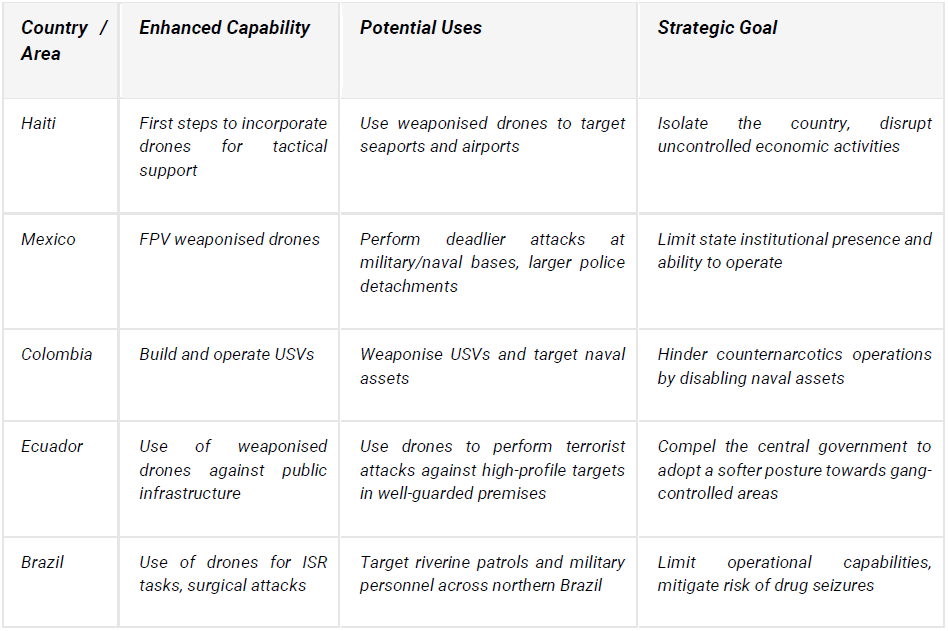
Table 1. Examples of the potential use of enhanced capabilities in Latin American areas experiencing asymmetric warfare
The use of unmanned systems in Latin America is not unprecedented. Mexican drug cartels have used aerial drones for almost a decade for surveillance purposes. Recently, they have increased the use of such devices to drop explosives on military patrols. Armed actors in Brazil, Colombia, and Ecuador have mirrored these tactics and operate almost undetected, targeting rivals, detention centres, and security forces.
Despite increased awareness, unconventional actors appear to have been more agile in adopting disruptive technologies faster in comparison to state institutions. Several structural conditions explain why governments have been unable to successfully scale offensive and defensive capabilities, including excessive red tape, limited budgets, and a lack of urgency.
By focusing exclusively on the military developments elsewhere in the world, Latin American strategists should be careful not to overlook events in their own region. It is important to note that criminal actors face financial constraints that limit their ability to adopt the same technologies available to state militaries. But the lack of breathtaking capability developments does not necessarily signal the absence of intentions.
RISK ASSESSMENT REPORTS:
Enhance your decision-making with Risk Intelligence's comprehensive risk assessment reports
Tailored to your needs, our reports offer in-depth analyses of threats for specific operations, regions, or routes. Whether it's the Voyage Risk Assessment for operational readiness or the Security Risk Assessment for strategic planning, our insights equip you with the knowledge to mitigate risks effectively.