
Crimes on the Singapore Strait: Arrests, patrols, and shifting criminal dynamics
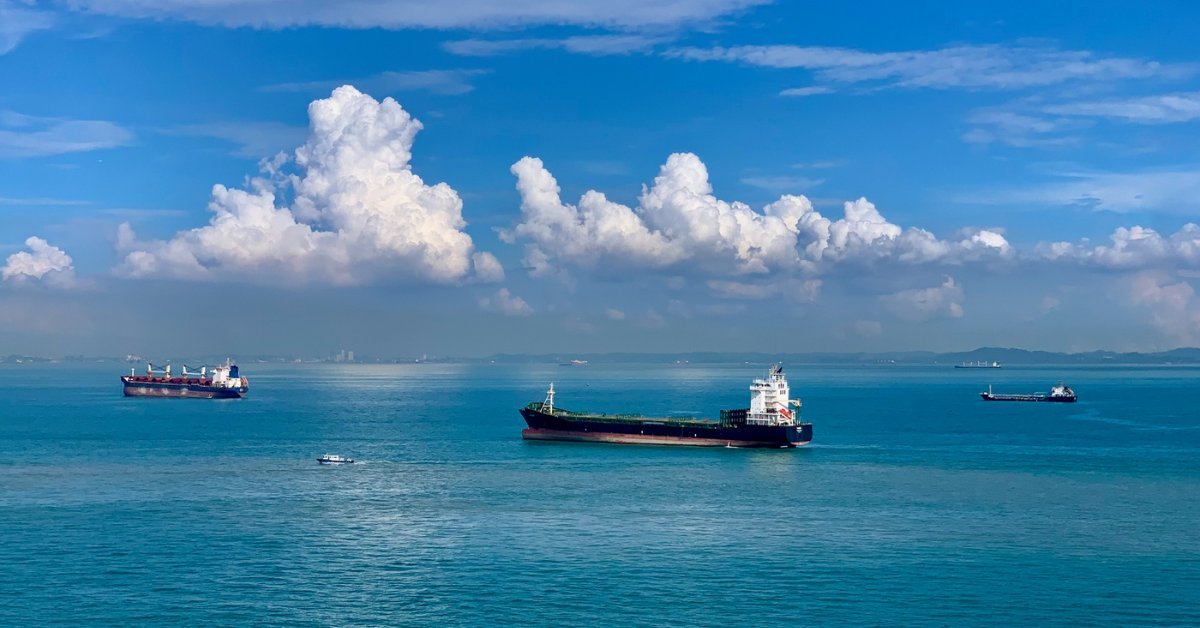
The image displays cargo vessels and tankers transiting the Singapore Strait. Credit: EyeEm Mobile GmbH, iStock
1 December 2025
The recent surge in vessel boardings on the Singapore Strait prompted arrests and enhanced patrols by the Indonesian Marine Police. Batam gangs remain active, diversifying into smuggling, while socioeconomic pressures continue to shape maritime crime trends.
By Thomas Timlen, Senior Analyst
From 2019 to 2024, the average frequency of reported boardings for vessels transiting the Singapore Strait was 4.35 per month. In November 2024, the number of reported boardings rose to 11. By May 2025, the figure had surged to 19, over four times the average. The steadily rising frequency of boardings ultimately drove the initiation of corrective measures.
In June, an independent maritime stakeholder engaged directly with the Indonesian Marine Police (IMP, Polisi Perairan dan Udara, Polairud). This engagement included discussions on the scope of the problem and the provision of vessel movement and boarding data, aimed at improving IMP’s law enforcement effectiveness.
As boardings continued into July and perpetrators renewed their focus on container ships, vessel owners and operators began supplying the IMP with crucial evidence. One operator delivered CCTV images directly to the IMP post on Batam, while another provided footage via a regional reporting centre. This evidence enabled the IMP to identify and arrest members of two Batam-based gangs, with the first arrests made on 9 July. In addition to apprehending perpetrators, the IMP enhanced marine patrols in the Phillip Channel, with personnel monitoring VHF Channel 16 to enable rapid response to suspected crimes.
Since the July arrests, only seven boardings have been reported on the Singapore Strait: two in August, one each in September and October, and three to date in November.

The impact of Indonesia Marine Police actions on vessel boardings (Source: Risk Intelligence System)
While the threat of boardings has not been eliminated, their frequency has been significantly reduced. Although members of two gangs have been arrested, members of a third gang remain at large. These gangs are known to pursue activities beyond ship boardings, as their small craft are equally suited for smuggling contraband and migrants. Following intensified enforcement against boardings, gang members may have shifted focus to these other illicit activities.
Socioeconomic dynamics ashore may also play a role. Batam’s unemployment rate has consistently been higher than Indonesia’s national average. In 2022, Batam’s unemployment stood at 9.56%. Since then, it has declined, falling below 7% in 2025, a development often linked to lower crime rates. However, rising drug smuggling and usage trends may be sustaining criminality.
Batam has emerged as a hub for methamphetamine trafficking, with shipments routed from the Golden Triangle through Thailand and Malaysia into Indonesia. Drug smuggling cases have risen annually since 2023. A seizure in Batam in May 2025 was reportedly the largest single methamphetamine interdiction in Indonesia’s history, underscoring the island’s role as a gateway for synthetic drugs.
Alongside trafficking is the related scourge of drug use. Signs of increasing consumption are evident. In July, several perpetrators arrested by the IMP were found in possession of methamphetamine, and their testimony confirmed they were using the drug during vessel boardings. These dynamics suggest that even as unemployment declines, perpetrators may continue targeting vessels to finance their methamphetamine use.
As this analysis illustrates, multiple factors drive crimes at sea along the Singapore Strait. Against this backdrop, the slight uptick in boardings seen in November cannot be taken as conclusive evidence of a return to previous averages. It does, however, raise key questions: Has the IMP reduced its patrols on the Phillip Channel? Have the remaining gang members shifted back to smuggling? Will monthly boardings return to the recent average, and if so, when?
Reports collected and evaluated in the coming months will help answer these and other questions. In the meantime, operators with vessels transiting the Singapore Strait are advised to maintain robust measures to safeguard their crews and ships.
RISK AND THREAT ASSESSMENT REPORTS:
Additional insights on trends and the nature of incidents on the Singapore Strait can be found in the threat assessments and incidents available on the Risk Intelligence System and the Risk Intelligence Monthly Intelligence Report.