
Syria's oil and gas sector – opportunities and challenges
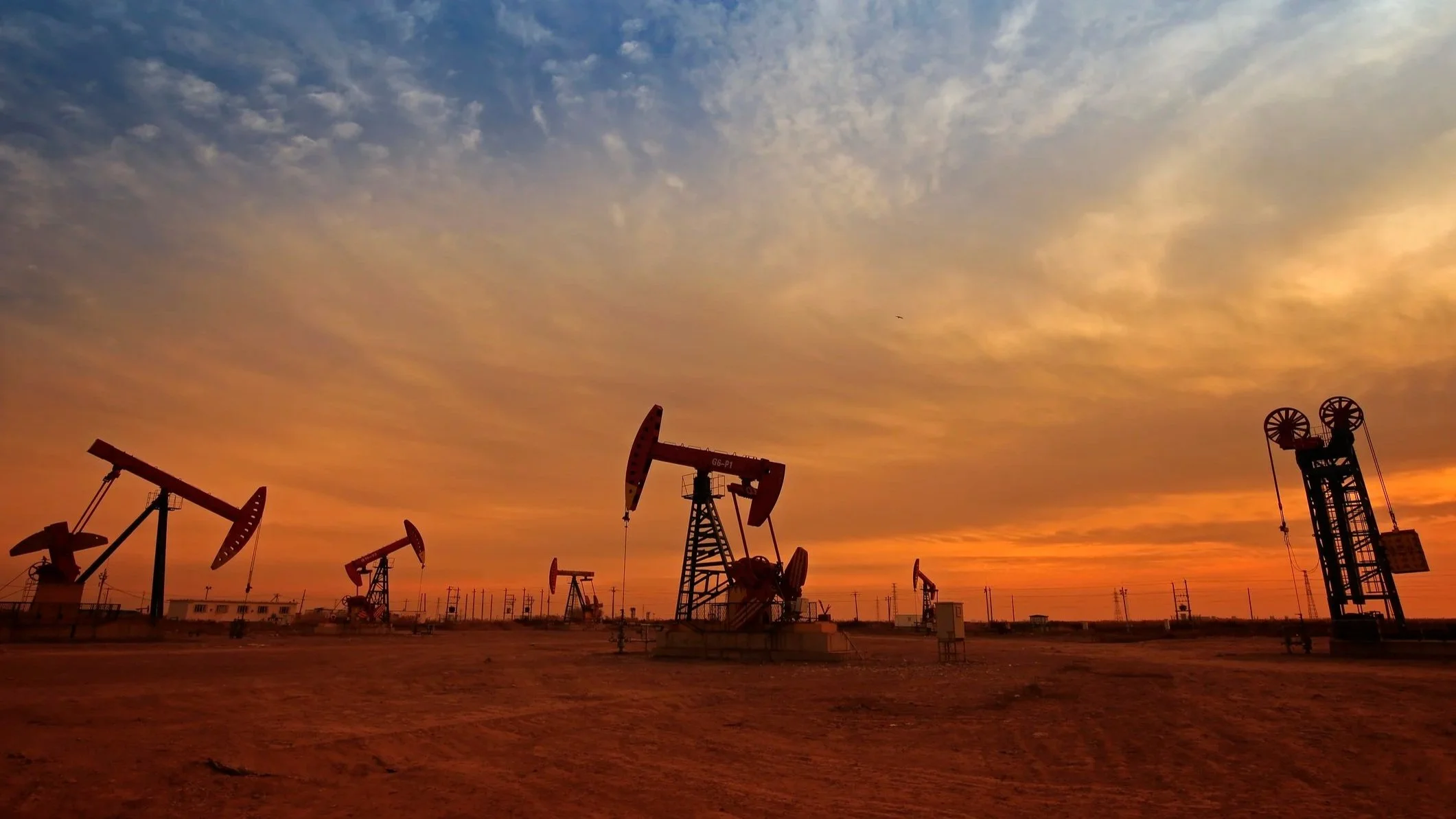
Industrial oil extraction site captured during golden hour. Source: iStock
20 March 2026
Syria’s oil and gas sector is emerging as a central lever in the country’s fragile post war transition, but structural damage, fragmented territorial control and unresolved political contests mean that a sustained revival will be slow and prone to disruption. The sector’s trajectory will hinge on the settlement between authorities in Damascus and the Kurdish-led administration in the northeast, as well as on how external patrons and commercial partners position themselves amid uncertain contracts and severe governance deficits.
By Anas Mokdad - Security Analyst Intern
Nearly fourteen years of civil war have left Syria territorially fragmented and economically shattered, with Ahmed Hussein Al Sharaa’s coalition controlling Damascus and parts of the south and west but facing rival power centres in Turkish-backed zones in the north and a de facto Kurdish administration in the oil rich east and northeast.
Ethnic and sectarian grievances and Turkish-backed formations confronting Kurdish forces complicate any attempt to knit together a coherent national energy policy and expose dispersed infrastructure to localised violence. While a March 2025 agreement granted Syrian Kurds constitutional rights in exchange for support against Assad loyalists, subsequent clashes and political reversals have stalled implementation and reinforced the Kurds’ reluctance to cede control of security institutions and hydrocarbon infrastructure.
Despite extensive war damage, the backbone of Syria’s oil and gas logistics remains in place, centred on two refineries at Baniyas and Homs and a pipeline grid that links northeastern fields to coastal export terminals. The SPC–Tartus pipeline, running 663 km from Suwaydiya field in Al Hasaka to the port of Tartus, is operational and was used in September 2025 for Syria’s first crude export cargo in fourteen years.
The Syrian section of the Kirkuk–Baniyas pipeline with a nominal capacity of 300,000 barrels per day remains structurally intact and is the focus of ongoing rehabilitation talks with Iraq as Baghdad seeks alternatives to the constrained Iraq–Turkey route and the Strait of Hormuz.
On the gas side, key nodes include the Al Shaer field between Palmyra and Homs and the Conoco gas plant in Deir ez Zor, which can feed a 250 km pipeline system serving western Syria. These assets are critical for electricity generation but are also exposed to local security dynamics.
Ports and coastal infrastructure have become focal points for both reconstruction capital and geopolitical competition, with announced investments exceeding US$1bn across Tartus, Latakia and Baniyas. These projects are intended to upgrade cargo handling, storage and terminal facilities, enhancing Syria’s ability to receive fuel, accommodate increased general cargo traffic and, eventually, support a resumption of crude exports and potentially LNG related operations.
Offshore, Syria sits on the northern extent of the Levant Basin, whose total gas resources are estimated in the trillions of cubic metres, though the size of Syria’s share remains unknown. Previous exploration agreements did not progress amid the conflict, but a February 2026 announcement of a deal with Chevron and Qatar-based Power International Holding points to an emerging offshore exploration track, with mobilisation and drilling expected within months but first gas still several years away.
Governance, contracts and investor considerations
Syria’s pre‑war three‑tier governance structure—Ministry of Energy and General Petroleum Company upstream, SCOT midstream, and GORDPP and Sytrol downstream—nominally persists but is constrained by territorial fragmentation, contested control and ad‑hoc wartime arrangements. The new government has signalled an intent to privatise a number of public entities and has continued the practice of appointing loyalists and cronies to leading roles, raising concerns among potential investors.
All major foreign operators declared force majeure during the conflict, and the status of their production sharing agreements and joint ventures remains unresolved, particularly where assets now lie within Kurdish‑controlled territory. British firm Gulfsands Petroleum, for example, has publicly challenged what it calls unlawful Kurdish production from Block 26, estimating that large amounts of oil and gas were extracted between 2017 and 2025 under a Syrian licence it still claims.
Outlook for shipping and energy stakeholders
In the near term, Syrian crude exports are likely to remain sporadic and tied to political signalling or technical testing rather than sustained commercially driven programmes, given modest government‑controlled production and unresolved control over the highest-yield fields.
However, increased tanker traffic bringing in Russian and Saudi crude, rising calls at Tartus and Latakia tied to reconstruction cargoes, and gradual investment in port and storage infrastructure point to a progressively busier coastal environment in which compliance, sanctions risk and security assessments will remain central considerations for shipowners, charterers and insurers.
Over the medium term, three variables will shape the risk–reward profile for commercial engagement: the durability of any political settlement regarding revenue‑sharing and institutional integration; the handling of legacy contracts, including arbitration, rehabilitation cost allocation and guarantees on physical and legal security; and the evolution of Western sanctions regimes in response to governance practices and external alignments.
📢 FREE WHITEPAPER: "Syria's oil and gas sector: prospects for revival"
Our whitepaper provides a more comprehensive look at the opportunities and challenges for oil and gas exploration, production and potential exports from Syrian ports and terminals.