
Grey zone pressure in the Taiwan Strait
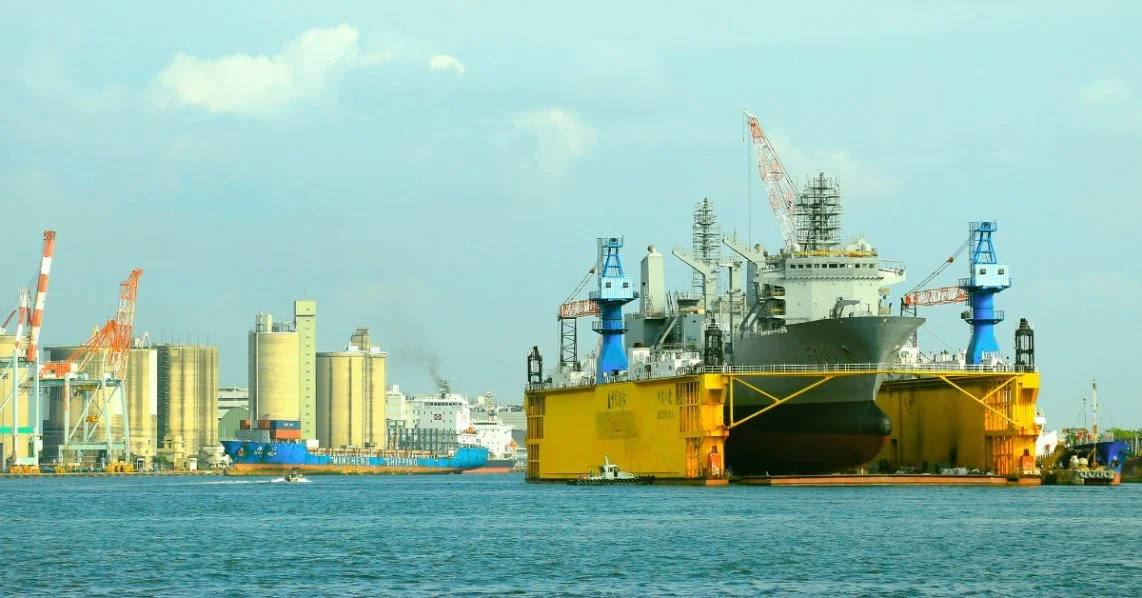
Vessels in the harbour in Kaohsiung City, Taiwan. Credit: Photo by Johnson Hung on Unsplash
11 March 2026
China’s continued “grey zone” operations around Taiwan have increased military signalling without disrupting commercial trade routes. While shipping remains unaffected for now, the frequency and scale of exercises increase the risk of miscalculations.
By Katie Zeng, Analyst
Tensions in the Taiwan Strait remain elevated as China continues to apply sustained “grey zone” pressure against Taiwan. These operations, which include large-scale military drills, air and naval incursions, missile exercises and coast guard patrols, are designed to signal resolve without triggering open conflict. While commercial shipping has not been directly targeted, the operational environment is becoming increasingly complex.
Since 2022, China has normalised frequent People’s Liberation Army (PLA) activity around Taiwan. Joint air-sea exercises often simulate blockades or encirclement manoeuvres. Naval vessels and coast guard ships routinely cross the median line of the Strait. These activities are calibrated to remain below the threshold of war but create persistent strategic pressure.
From a commercial perspective, the Taiwan Strait remains one of the world’s most important maritime corridors. A significant proportion of global container traffic and energy shipments transits these waters annually. To date, PLA exercises have not restricted merchant vessel movement, nor has China attempted to enforce transit controls. Beijing remains heavily reliant on maritime trade itself and would incur high economic costs if shipping were disrupted.
However, the risk environment is evolving. The increasing density of military activity raises the possibility of accidental encounters or miscalculations. Large-scale exercises that temporarily close maritime zones could complicate routing decisions and voyage planning. Additionally, geopolitical escalation between China and the United States could trigger more assertive demonstrations.
It is assessed that China currently has no intention of imposing a full maritime blockade, as such a move would represent a major escalation with global consequences. Instead, Beijing appears to favour incremental pressure designed to test responses, shape narratives and normalise a heightened military presence.
Nevertheless, the structural trajectory of tensions suggests that contingency planning and monitoring of military exercise notices will remain important.
MARITIME SECURITY REPORTS:
Our Risk Intelligence reports provide valuable insights to assess the risks of specific routes and support decision-making with detailed threat assessments.
The Voyage Risk Assessment focuses on a vessel’s specific route and offers an independent third-party perspective on the necessary security measures. The Monthly Intelligence Report delivers comprehensive analysis of recent incidents and a threat assessment for three key regions, available via subscription.