
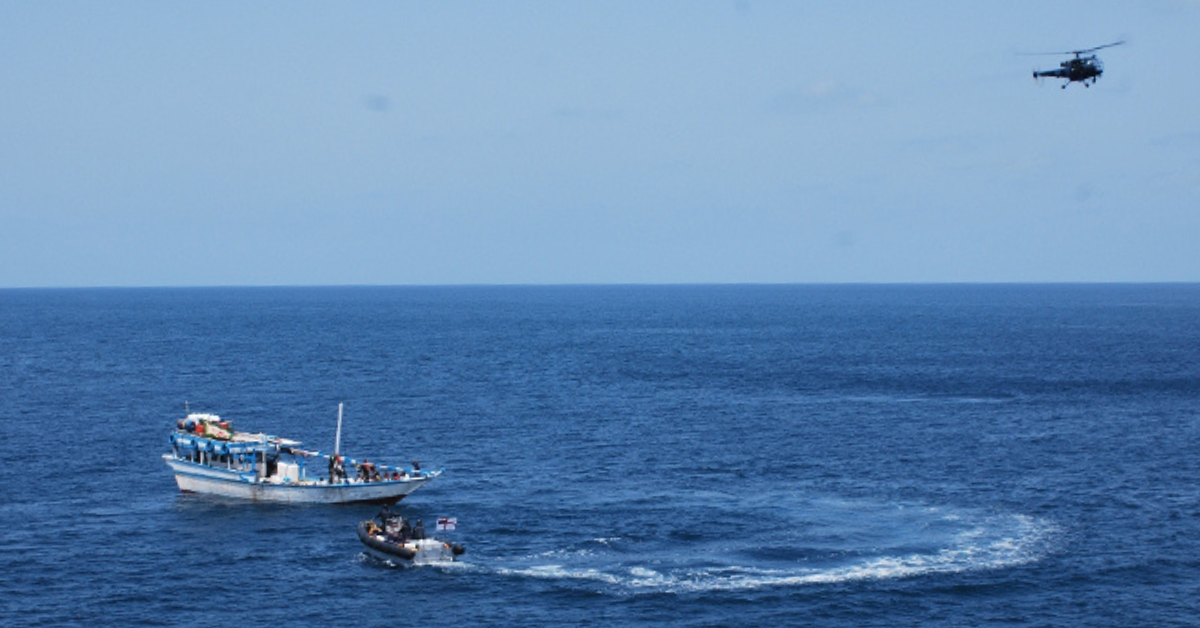
Al-Nahar | Pirates in the Gulf of Aden are back... Why has hijacking ships become easier?
Risk Intelligence CEO Hans Tino Hansen shared his insights with Al-Nahar on the factors shaping the current piracy threat in the Gulf of Aden.
Published on 28 August 2026, the article looks at the resurgence of Somali piracy in the Gulf of Aden and the conditions that have created greater opportunities for attacks.
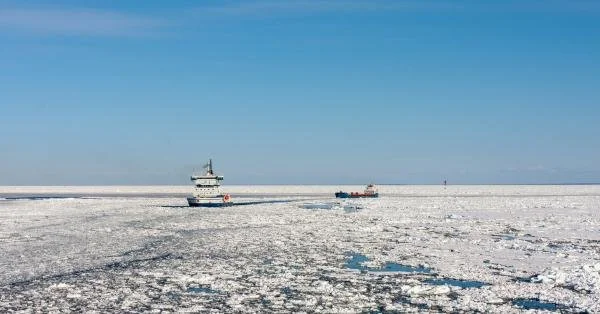
Newsweek | Why Big America Needs Little Finland’s Help in the Arctic
Risk Intelligence Senior Advisor Robin Häggblom recently shared his insights with Newsweek on the growing importance of the Arctic and the challenges facing the U.S. in strengthening its Arctic capabilities.
Published on 25 August 2026, the article focuses on the United States’ efforts to rebuild its icebreaking capacity as the Arctic becomes increasingly important for research, resources and security.
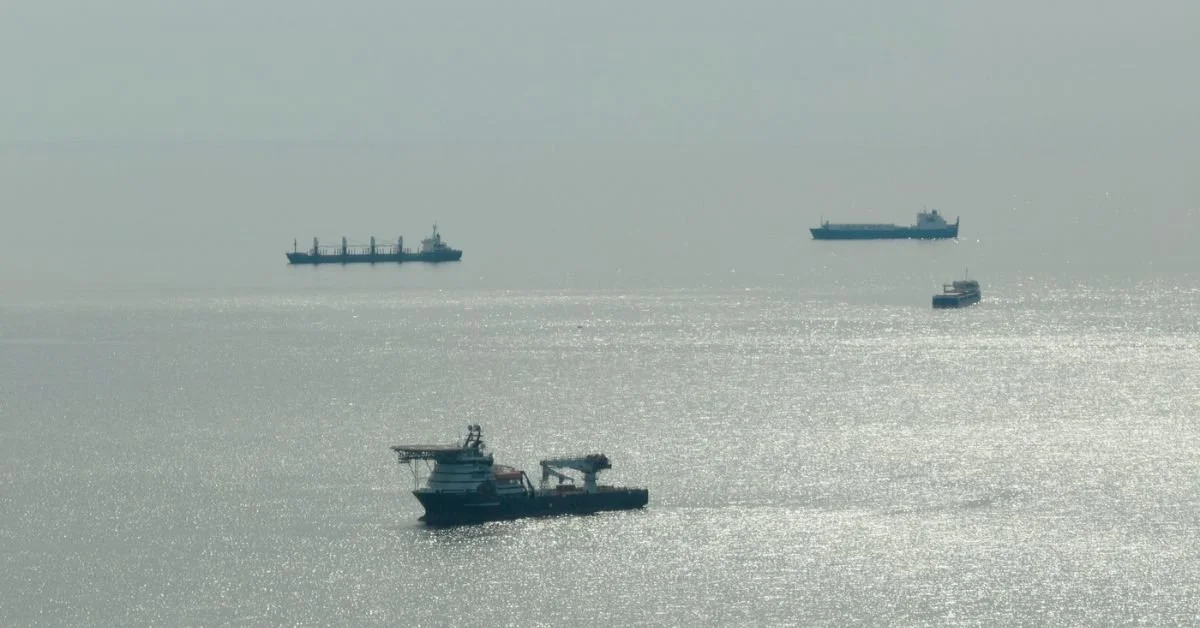
TVP World | Sea wars: Ukraine leaves Russian shipping in smoke
Risk Intelligence Analyst Hans-Kristian Pedersen shared his insights with TVP World on the recent intensification of Ukrainian attacks on Russian and Russia-linked vessels in the Sea of Azov and Black Sea.
Published on 27 July 2026, the article looks at Ukraine’s increased use of air and sea drones against vessels in the region and the wider impact on maritime operations.
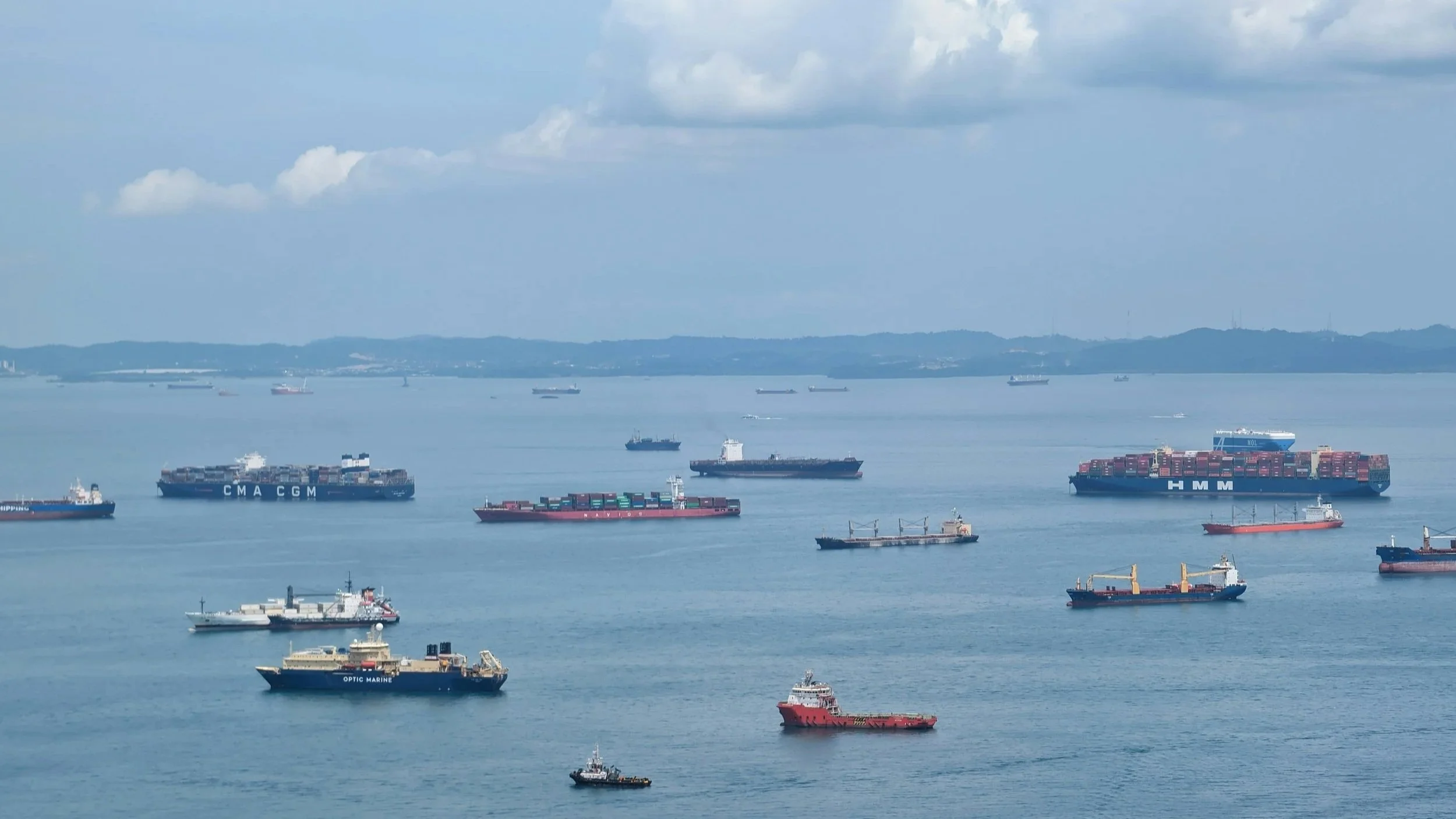
Seatrade Maritime | Asian maritime security in Q2 – sanctions enforcement, insurgency, and armed robberies
Thomas Timlen, Senior Analyst at Risk Intelligence, shared his insights in a recent Seatrade Maritime article, highlighting the key maritime security developments across Asia during Q2 2026.
Published on 24 July 2026, the article examines the main security trends affecting Asian waters during the second quarter of the year.
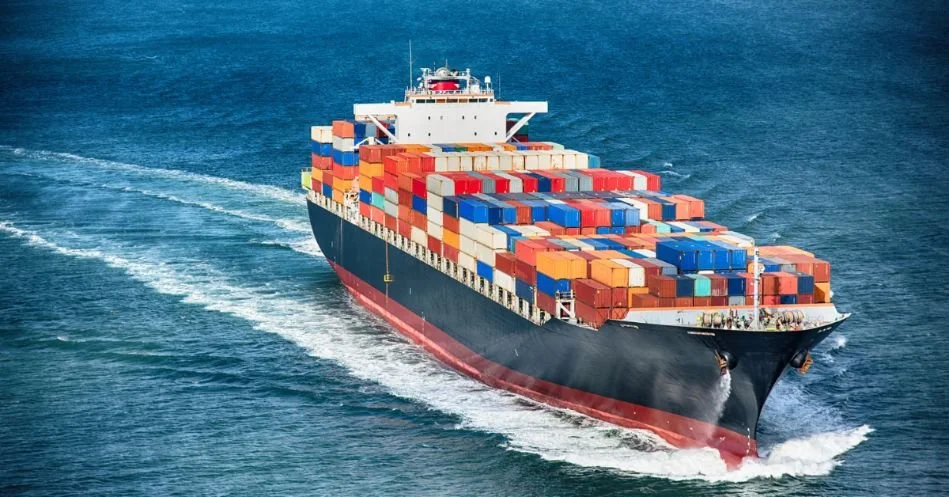
La Croix | Off the coast of Somalia, pirates are taking advantage of war to make a comeback
Louis Borer, Senior Analyst at Risk Intelligence, recently shared insights with La Croix on the resurgence of Somali piracy.
The original article was published on 06 June 2026 on La Croix’s website.

Kvarken Council | When infrastructure is tested under pressure
Risk Intelligence A/S is conducting a FLINC study examining how transport infrastructure across the Norway–Sweden–Finland east–west corridor performs under disruption and crisis scenarios.
The original article was published by Kvarken Council on 02 June 2026.
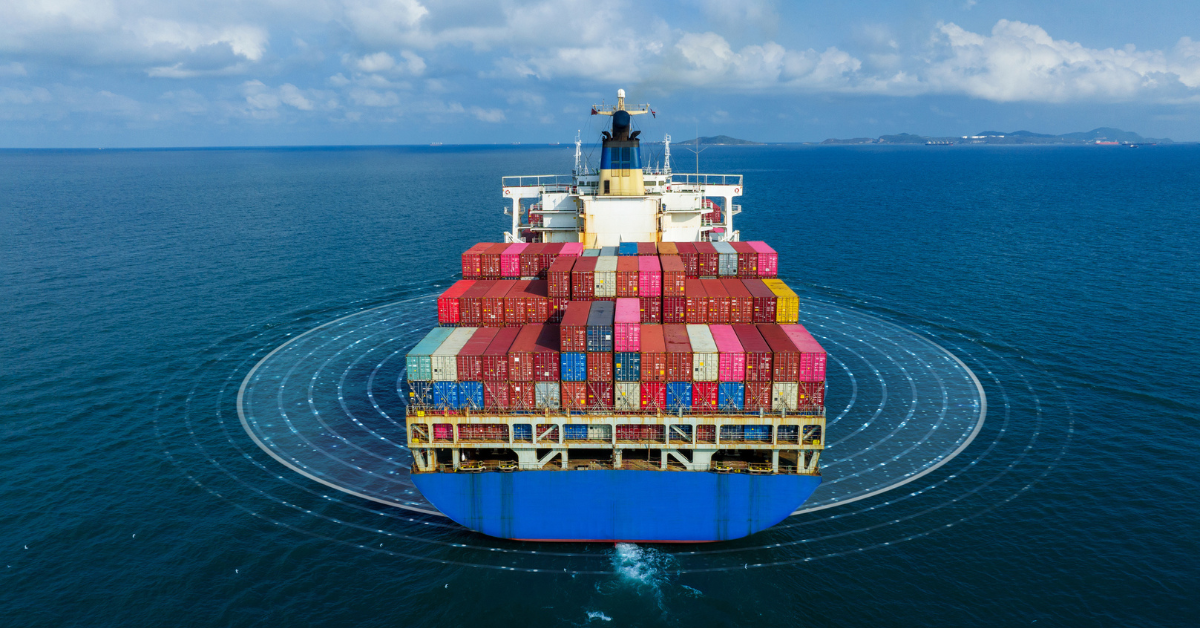
Le Monde | Ship signal jamming, a global threat made worse by Strait of Hormuz crisis
Louis Borer, Senior Analyst at Risk Intelligence, shared his insights in an interview with Le Monde on the increasing use of signal jamming in the maritime domain amid the ongoing Middle East crisis.
The original article was published on 25 May 2026 on Le Monde’s website.

Le Monde | Pirates are making a comeback off Somalia, fueled by the war in the Middle East
Louis Borer, Senior Analyst at Risk Intelligence, was recently interviewed by Le Monde on the resurgence of piracy off the Somali coast amid shifting maritime routes and regional instability.
The original article was published on 19 May 2026 on Le Monde’s website.
The New York Times | How Iran’s energy exports are still headed toward China
Hans Tino Hansen, CEO of Risk Intelligence, recently shared insights with The New York Times on how vessels linked to Iranian oil exports are being monitored amid the increased U.S. naval blockade in the Gulf of Oman.
The original article was published on 15 May 2026 on The New York Times’s website.

Safety4Sea | Risk Intelligence: How the Russia-Ukraine war reshapes Baltic Sea risk
Risk Intelligence contributed to an article published by Safety4Sea examining how the Russia–Ukraine war is reshaping the Baltic Sea risk environment for commercial shipping.
The original article was published on 05 May 2026 on Safety4Sea’s website.

Le Monde | How the United States and Iran contribute to the "double blockade" of the Strait of Hormuz
Louis Borer, Senior Analyst at Risk Intelligence, shared his perspective in a recent Le Monde article on the escalating situation in the Strait of Hormuz.
The original article was published on 05 May 2026 on Le Monde’s website.
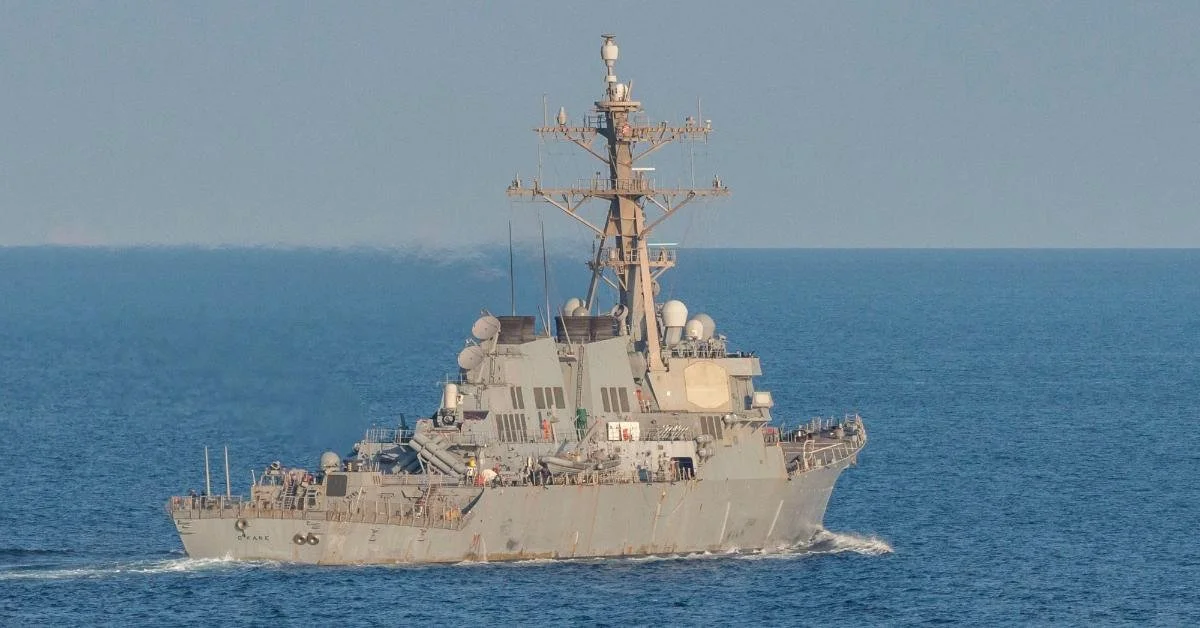
FranceInfo | Is the US military's mine-clearing operation in the Strait of Hormuz credible?
Risk Intelligence Senior Analyst, Louis Borer shared insights with France Info on the situation in the Strait of Hormuz and the role of the U.S. Navy in a potential mine-related scenario.
The original article was published on 18 April 2026 on the France Info website.
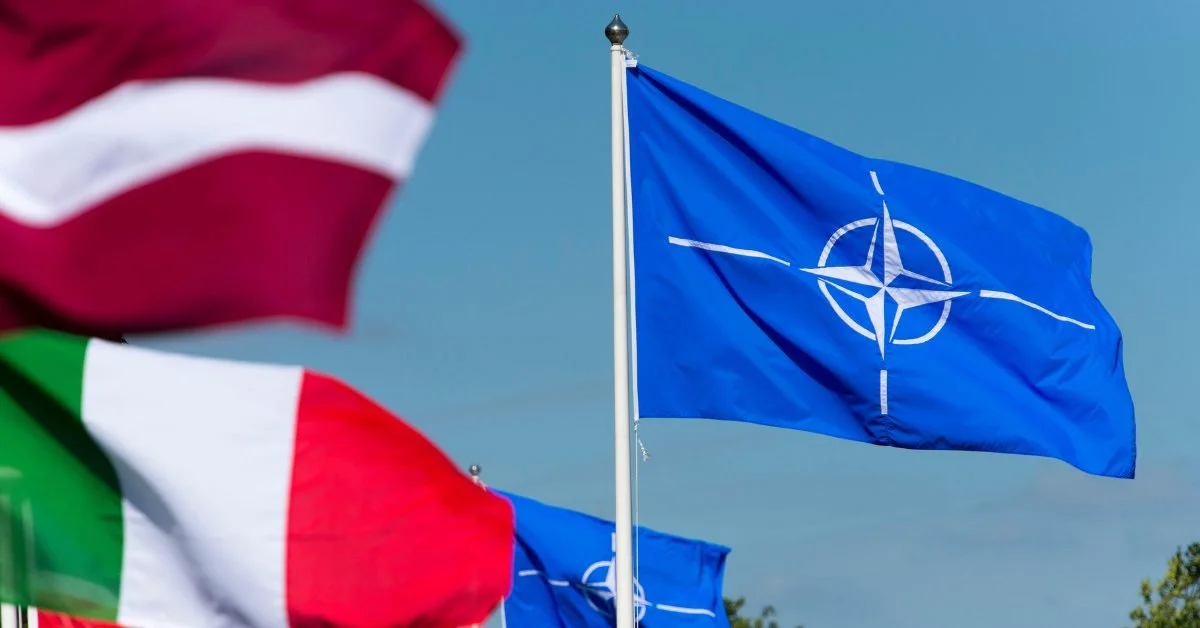
Berlingske | Does NATO still deter Putin if the U.S. leaves? 17 experts have a surprising answer
Hans Tino Hansen, CEO of Risk Intelligence, was recently interviewed by Berlingske for a round-up on NATO’s deterrence capacity and the implications of a possible U.S. withdrawal from the alliance.
The original article was published on 14 April 2026 on Berlingske’s website.

FoodNavigator Europe | The KitKat heist that exposed a confectionery crime crisis
Jeanne Albin, LandRisk Manager at Risk Intelligence, recently shared insights with FoodNavigator Europe on the security risks highlighted by the KitKat cargo theft.
The original article was published on 17 April 2026 on FoodNavigator Europe’s website.
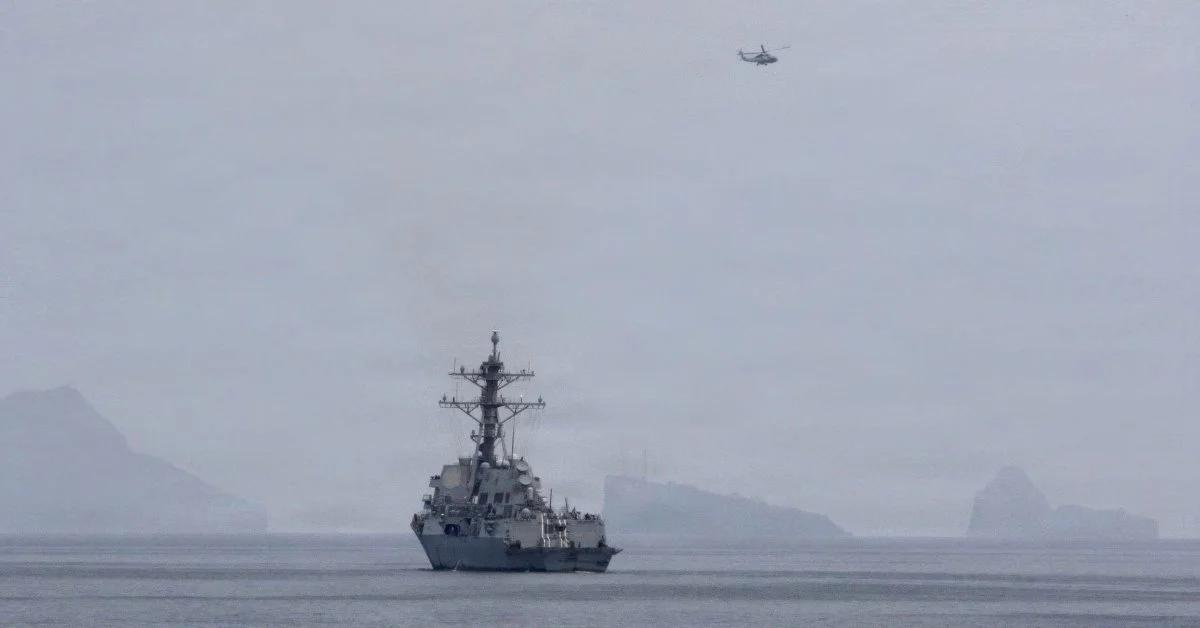
Le Monde | Strait of Hormuz: Many questions and few answers after Donald Trump's blockade threats
Louis Borer, Risk Intelligence Senior Analyst was recently interviewed by Elise Vincent on the situation in the Strait of Hormuz for an article published by Le Monde.
The original article was published on 13 April 2026 on Le Monde’s website.
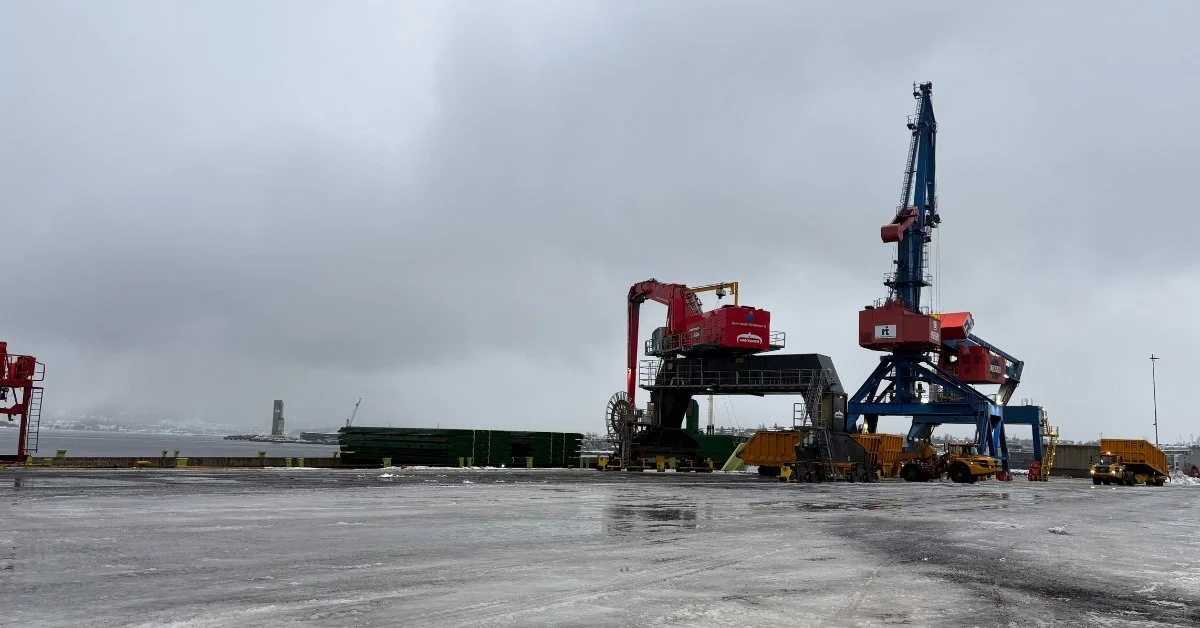
Rana Blad | A lot of secrecy behind the new report on critical infrastructure – but everyone will be able to read it
Robin Häggblom, Senior Advisor at Risk Intelligence, outlines ongoing work on military mobility and critical infrastructure in Northern Scandinavia in an article published by Rana Blad.
Published on 5 March 2026, the article highlights a report being carried out by Risk Intelligence on how transport infrastructure along the Trøndelag–Helgeland axis toward Sweden and Finland, including parts of the E12 corridor, can be strengthened to support emergency preparedness, total defence, and secure supply chains.
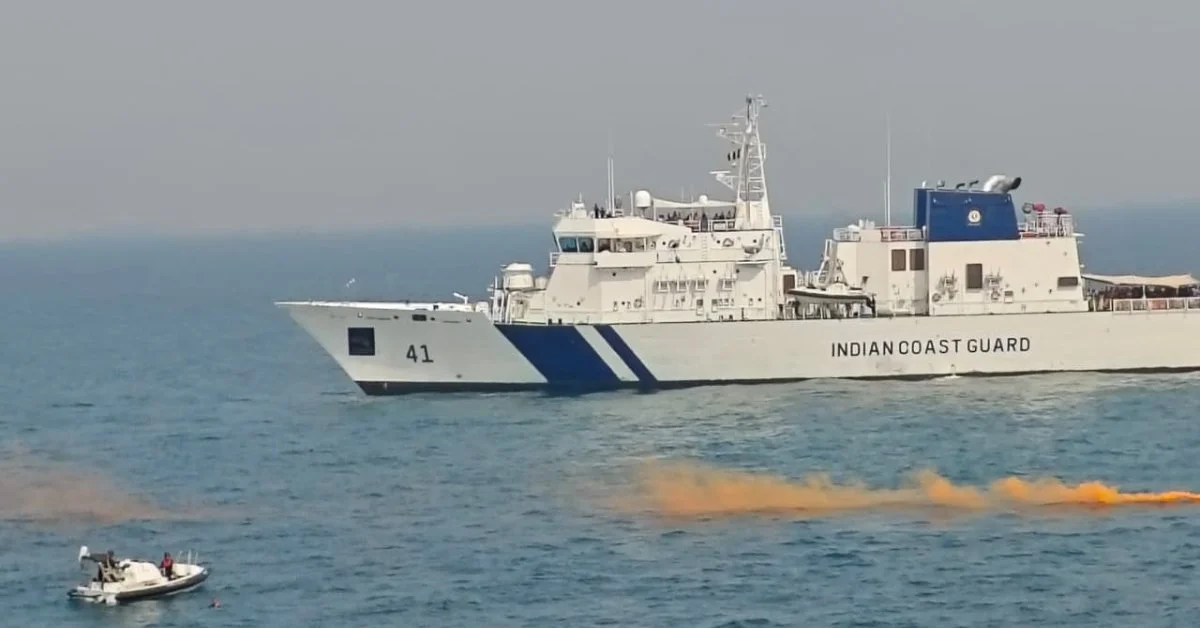
Seatrade Maritime | Asian maritime security in Q1 – Fewer boardings and sanctions enforcement
Senior Analyst at Risk Intelligence, Thomas Timlen, shared his insights in a recent Seatrade Maritime article, highlighting key maritime security developments across Asia during Q1 2026.
Published on 10 April 2026, the article outlines key developments in Asian maritime security during Q1 2026.
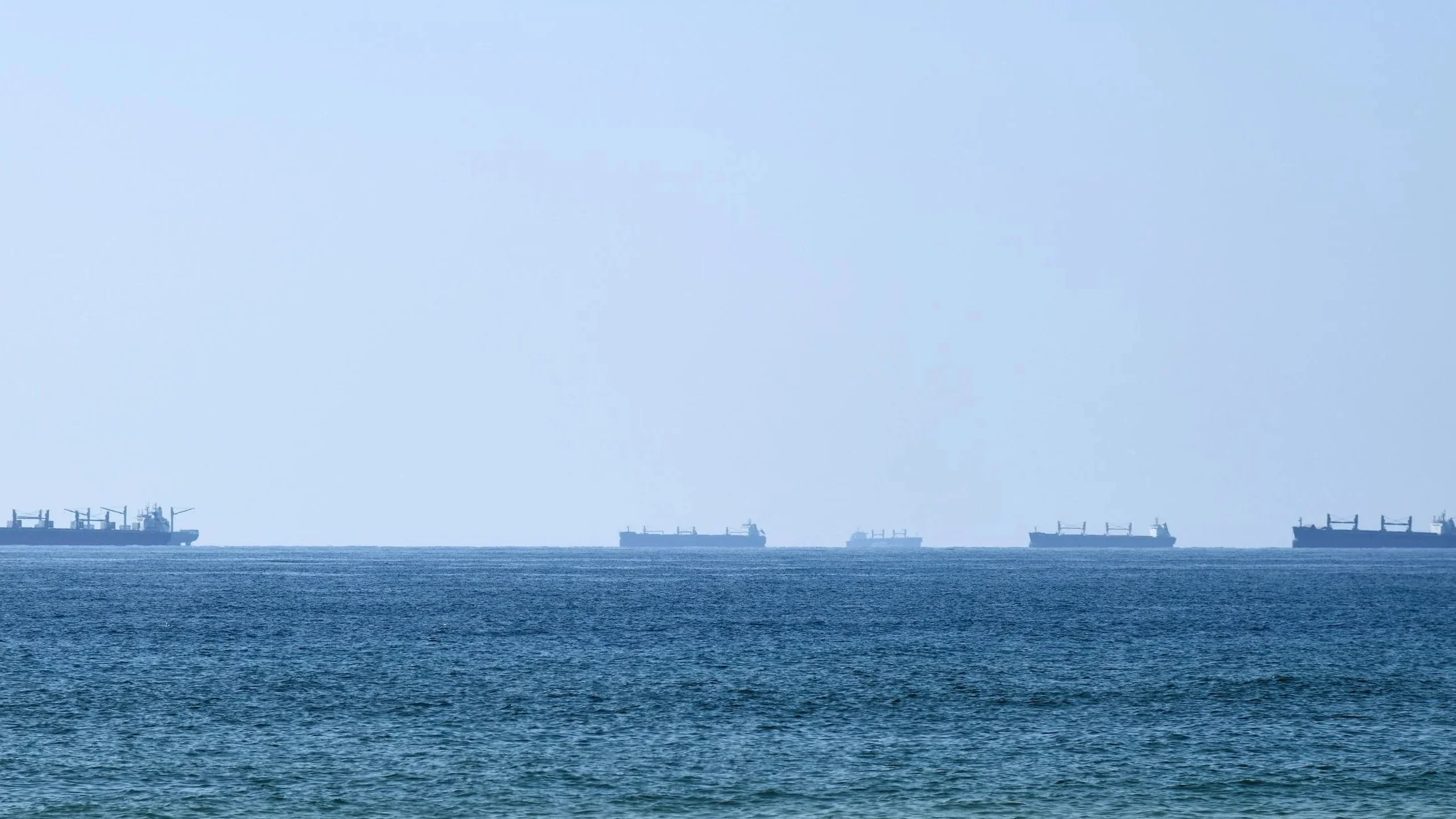
Le Monde | Soaring ammunition cost turns Iran conflict into 'war of stockpiles'
Louis Borer, Senior Analyst at Risk Intelligence, gave a second interview to Elise Vincent to provide insights on maritime security developments in the Strait of Hormuz for an article published by Le Monde.
The original article was published on 21 March 2026 on Le Monde’s website.
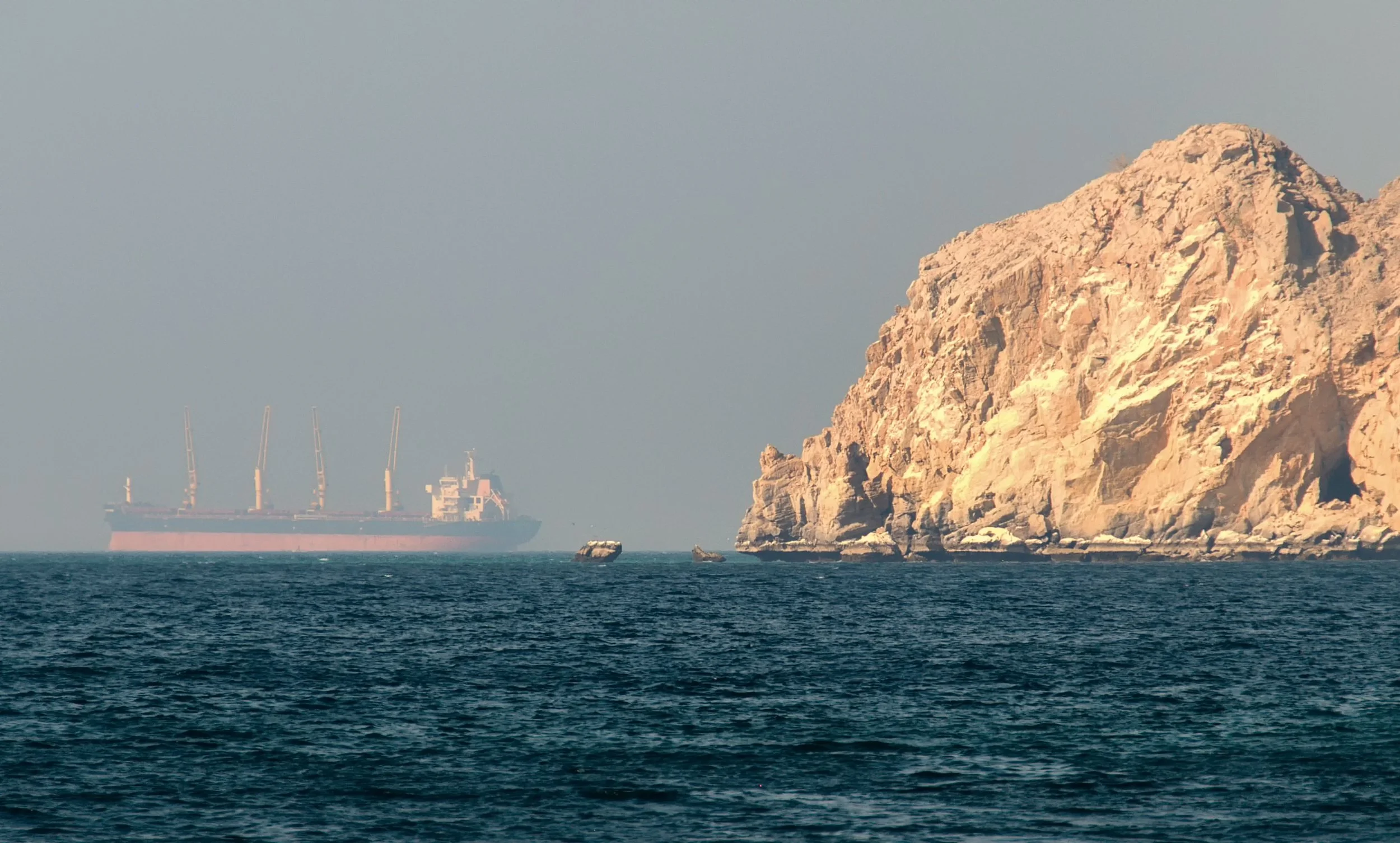
Le Monde | Strait of Hormuz becomes site of asymmetric naval war with uncertain outcome
Louis Borer, Senior Analyst at Risk Intelligence, was recently interviewed by Elise Vincent to provide insights on maritime security developments in the Strait of Hormuz for an article published by Le Monde.
The original article was published on 19 March 2026 on Le Monde’s website.
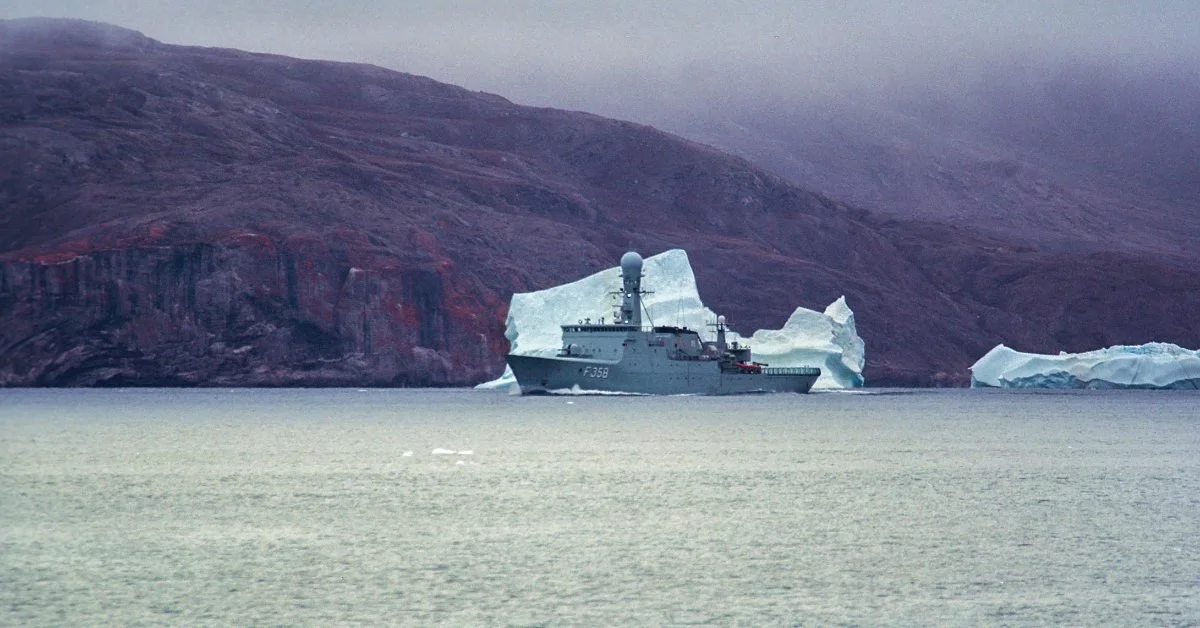
La Presse | "We must oppose Trump"
Risk Intelligence CEO Hans Tino Hansen shared insights in a recent La Presse article examining current tensions in Danish–U.S. relations.
Published on 9 February, the article explores reactions in Denmark amid renewed political friction involving Greenland and the broader transatlantic relationship. In the piece, Hansen highlights Denmark’s long-standing and close military cooperation with the United States, noting that Denmark was among the first countries to deploy troops to Afghanistan in 2002 as part of Operation Enduring Freedom.