
Houthi attacks in the Red Sea restart
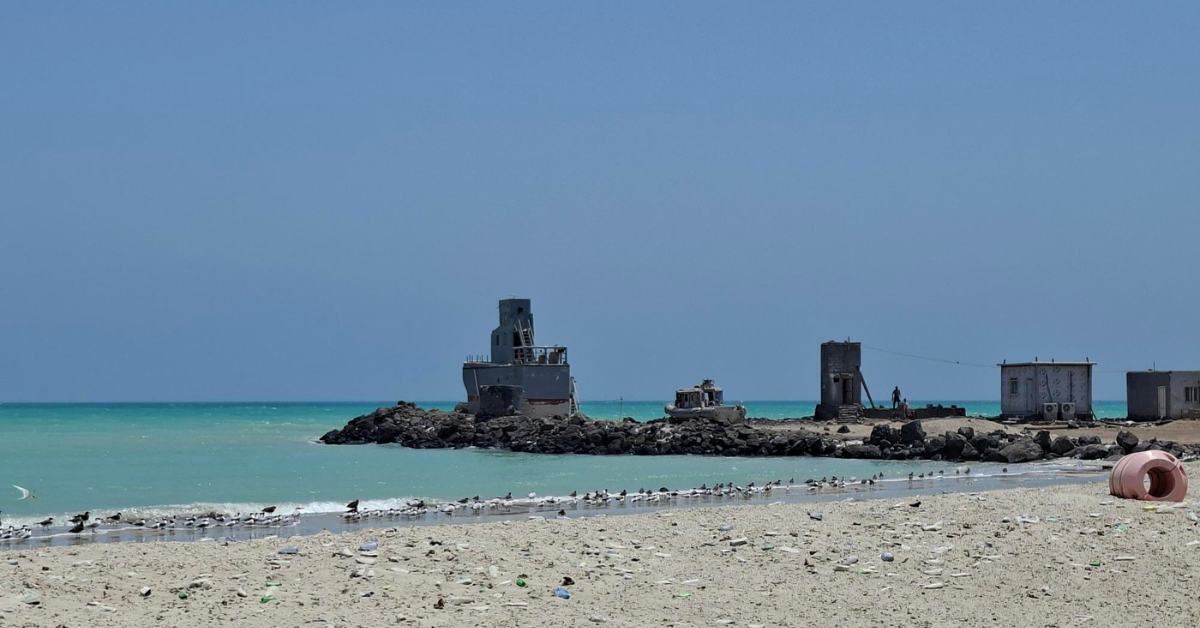
Formerly sleepy town of Mocha is now an epicentre of Yemeni politics. Credit: Risk Intelligence, Kais Makhlouf
02 September 2026
The spate of attacks in the southern Red Sea is linked to the growing popularity of some southern leaders and Houthi concerns that a tribal coalition may be mounted against them.
By Kais Makhlouf - Senior Analyst, MENA region
Following the expulsion of the UAE from Yemen and the dismantling of its proxy, the “Southern Transitional Council”, southern Yemeni factions, along with a large swath of population have looked to Tarik Saleh as a potential new Southern Yemeni leader. Within Southern Yemen, the nephew of the former President Ali Saleh, is often presented as one of the few able to “run a state like it were a state” which contrasts with the other leaders perceived as limited in their ambition and abilities. Much of this perception is based on the conduct of Tarik Saleh’s men – substantially better trained and more disciplined than other southern forces – and the development of the town of Mocha under Tarik Saleh’s leadership.
Over the course of the war, Tarik Saleh has eked out a fief centred on the formerly sleepy town of Mocha, whose population has mushroomed. The town is one of the first safe towns for refugees fleeing Houthi territory, but is also reputed as one of the better managed ones. The area does enjoy utilities, contrarily to other major cities like Aden, and significant foreign aid (from Saudi Arabia, but also from the UK) have allowed the Saleh government to develop the town and render life somewhat more stable than in most other major Yemeni agglomerations.
This has also translated into a surge of military support to Tarik Saleh’s forces. The town of Mocha is teeming with barracks, with large numbers of recruits enrolling in Saleh-aligned forces, as rumours abound that Saleh harbours ambitions for Southern Yemen (as well as desires of revenge for the deaths in his family). This ability to recruit relies on the large sums flowing to Tarik’s coffers, in particularly Saudi Riyals. Much of this is happening with the support of Yemenis, who will gladly countenance another Saleh as leader if it means stability and peace.
The Houthis are therefore worried that the strongman might be able to federate southern tribes and seize control of Southern Yemen, before eventually attacking the North with Saudi support. This explains the series of attacks on and around Mocha, as the Houthis seek to deter tribes from allying with Saleh, and signal to the Saudis and their Yemeni proxies that they are willing to fight if necessary. Future attacks on and around Mocha, including on the port and vessels associated to Mocha or the Red Sea trade, are therefore expected.
MARITIME SECURITY REPORTS:
Our Risk Intelligence reports provide valuable insights to assess the risks of specific routes and support decision-making with detailed threat assessments.
The Voyage Risk Assessment focuses on a vessel’s specific route and offers an independent third-party perspective on the necessary security measures. The Middle East Weekly Intelligence Report provides weekly analysis of maritime security developments and threat levels across the Middle East, including the southern Red Sea/Gulf of Aden and the Persian Gulf/Gulf of Oman.