
Southeast Asia sees rare cocaine concealments in vessel sea chests
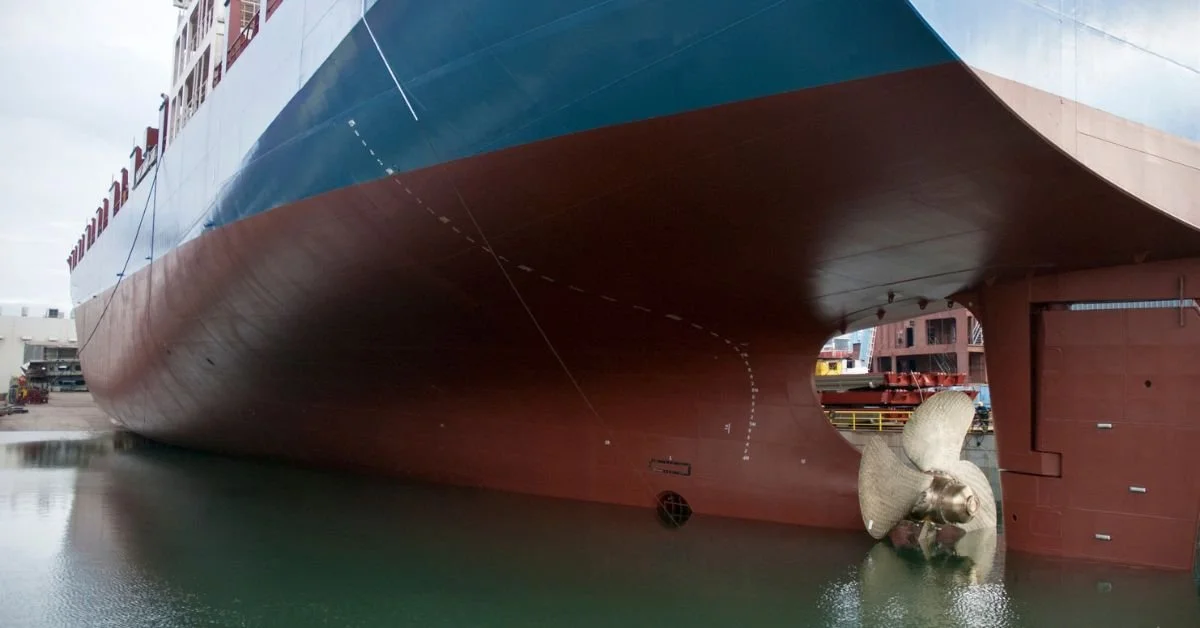
Exterior view of a vessel’s hull showing the sea chest area near the waterline. Source: iStock
21 September 2026
The discovery of cocaine concealed by smugglers in vessels’ sea chests, while common on American and European routes, had been absent in Southeast Asia for decades. Beginning in late 2025, that changed, as traffickers tested new methods, representing a significant shift for the region.
By Thomas Timlen, Senior Analyst
For decades, illicit drug flows in Southeast Asia have been dominated by traffic originating in the Golden Triangle. Shipments of methamphetamine and ketamine move southward by land and sea, feeding regional markets and extending as far as Australia and New Zealand.
Recent surveys by the United Nations Office on Drugs and Crime (UNODC) confirm that these flows are expanding. Record quantities of methamphetamine and ketamine are now produced in Myanmar and surrounding Golden Triangle areas, with trafficking routes documented through Malaysia and Indonesia before reaching Oceania.
Despite this growth, the impact on commercial shipping has remained limited. Traffickers typically rely on their own boats and land networks, leaving cargo vessels largely unaffected. When maritime consequences do arise, they are usually linked to concealments in containers intercepted at terminals, with minimal disruption to vessel operations.
Cocaine trafficking presents a different picture. In Southeast Asia, movements have generally been restricted to container concealments, unlike the more elaborate methods seen in the Americas. One such method involves divers placing drug packages inside vessels’ sea chests, a practice long associated with South American syndicates. Until recently, this technique had not been detected in Asia.
That changed in November 2025, when Hong Kong’s Customs Drug Investigation Bureau discovered 417 kilograms of cocaine hidden in the sea chest of a vessel arriving from Brazil via Singapore. The ship was scheduled to continue to Shanghai and Ningbo, but its voyage was delayed following the seizure.
Two further cases emerged in Singapore in August 2026. Authorities found more than 36 kilograms of cocaine concealed in the sea chest strainers of two vessels. Notably, the drugs were in transit and not destined for Singapore. What made these cases particularly concerning was the concealment method: packages were placed in strainers accessible only from the engine room, raising the possibility of crew involvement.
Whether these incidents reflect South American syndicates expanding into Southeast Asia or other actors entering the domain remains unclear. Their rarity suggests the overall impact on vessel operations is negligible, yet the shift from container concealments to sea chest operations is significant. It demonstrates traffickers’ willingness to innovate and test methods once confined to the Americas in Asia’s maritime corridors. For shipping operators and port authorities, these rare but sophisticated cases highlight the need to remain vigilant against evolving concealment tactics, even when the broader risk profile appears low.
MARITIME INTELLIGENCE:
Stay informed on evolving developments through the Risk Intelligent System’s smuggling threat assessments and the quarterly Narcotics Smuggling Intelligence Report.