

Navigating supply chain disruption: Current climate activism Hotspots in Berlin and the Hague
Climate activism has posed a threat to the supply chain for some time now due to the disruption that protests and route blockades can generate. However, right now there are two areas of particular concern – Berlin, Germany and The Hague, Netherlands which have been designated as Activism Hotspots on the Risk Intelligence System.
Climate activists are conducting daily, coordinated protests in these two areas which cause significant localised traffic disruption. This disruption can lead to confrontation between motorists and truck drivers alike.

Port corruption: a phenomenon likely to impact the entire supply chain spectrum
The opacity and difficulty of understanding the shipping industry provides definite opportunities for smugglers to infiltrate, corrupt and even control the sections of the supply chain that are essential to the routing and distribution of their contraband.
They seek to corrupt key individuals among the many intermediaries and port workers likely to play a role. In this context, the entire supply chain right up to the local authorities is likely to be involved.

The North Korean nuclear threat
North Korea has recently demonstrated it “deadly nuclear counterattack capability” amid ongoing US-ROK joint military exercises meant to show the strength of US extended deterrence.
The rising nuclear tensions in the Korean peninsula represent an element of instability in the geo-maritime space of the East China Sea, affecting countries with special interests in the Northwest Asia-Pacific, such as China, Russia, the United States (US), Japan and South Korea.
The seasonality of cargo theft: peak shipping season and opportunity as a driver of crime
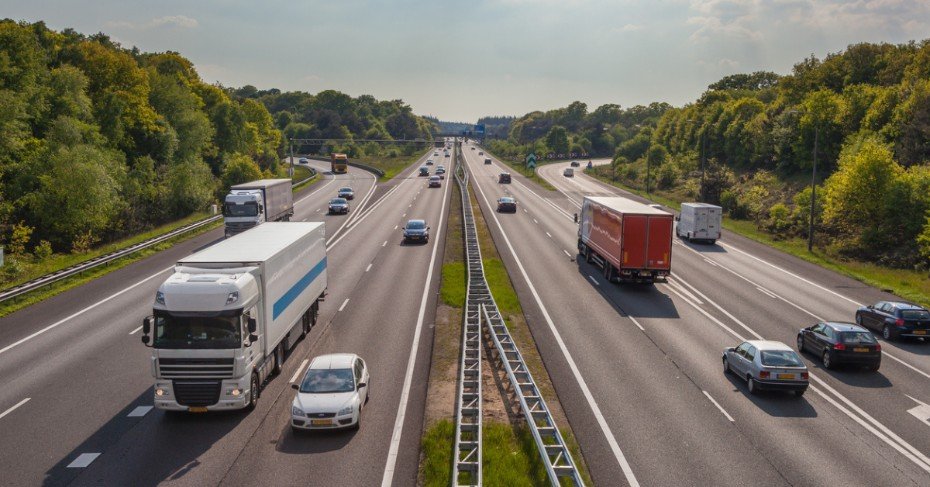
With the peak shipping season approaching, logistics operators are advised to remember that the end of the year brings many distinctive challenges, including a much higher threat of falling victim to cargo theft than during the rest of the year.
The dynamics of cargo theft are influenced by many factors, not the least of which is time. In fact, the existing evidence highlights several temporal patterns.

A tale of two seas: the Gulf of Aden and the Persian Gulf
The ongoing truce in Yemen has kept a lid on tensions in the Gulf of Aden where the threat situation is stable. In the Persian Gulf, however, an elevated threat of Iranian actions – which could affect merchant traffic – should be noted.
The truce between the warring factions in Yemen remains in place, despite a lack of recent progress in the ongoing peace talks. There are a number of barriers to further progress, not least the issues of government revenue and the sharing of returns from oil exports.

Maritime terrorism effectively suppressed in Asia
Robust anti-terrorism initiatives aimed at the suppression of terrorist acts on land and at sea in Asia have been effective, however, continued radicalisation and extremism requires continued vigilance.
At 18:40 local time on Sunday, 18 December 2022, the Myanmar passenger ferry CHERRY 2 departed from her berth with hundreds of passengers on board to cross the Yangon River. Only fifty metres from the berth an improvised explosive device exploded, ripping through the lower deck.

Algeria’s diplomatic return
Algeria is seeking to reclaim its diplomatic primacy as a changing world risks making its policies obsolete. It is difficult to assess what shape Algeria’s new diplomacy will take, or whether it will shed its long-standing non-alignment policy.
Algeria is seeking to return to its historical role as a respected diplomatic actor. Prior to its “dark decade” during the civil war in the 1990s, the 43-million strong North African country was held in high regard for its “wise realism” approach to foreign policy.

Black Sea - Turbulent waters
The Black Sea Grain Initiative ended on 17 July, following the announcement by Russia that it would not agree to a new extension. The Black Sea Grain Initiative is therefore no longer in effect. Subsequently, first Russia then Ukraine announced that vessels bound for their Black Sea ports, would be considered as possibly carrying military cargo and therefore as parties to each – rendering vessels as potentially legitimate military targets.
Russia has long expressed its dissatisfaction that not enough was done to facilitate the exports of its own fertilizer products, as part of the initiative and stressed this as the reason for withdrawing from participating in the initiative.

Corruption in European ports: a growing phenomenon inextricably linked to illicit trafficking at sea
As most illegal goods transit by sea, ports play an essential interface role before the goods reach their destination. To this end, criminal groups have had to infiltrate ports, particularly European ones, to move their illicit shipments, reminding us that the human factor plays a central role in this traffic.
Ports act as an interface and interaction point between sea and land, where ships, crews and logistics teams, and private sector and state agencies meet and cross paths, involving a large number of different actors, depending on the size of the port.

China and U.S. relations: competitive and contentious
For the past 40 years, China-U.S. ties have been complicated. Since the diplomatic connections between the two countries were established in 1979, the relationship between the two has gone through several stages, gradually developing into diplomatic, commercial, and most recently, security relations.
The relationship, however, has grown more competitive and contentious in recent years, with U.S. concerns over China's military modernisation initiatives, border disputes in the South China Sea, and its expanding influence in the Asia-Pacific area.

Rip-on/rip-off modus operandi - what is the impact for the shipping industry?
The organised criminal groups responsible for cocaine trafficking worldwide are continuing to evolve their routes and methods. The most frequently used modus operandi, known as ‘rip-on/rip-off’, represents a potential threat to shipping and logistic companies.
Cocaine trafficking is a global business which is managed by organised criminal groups (OCGs). Most cocaine is produced in Latin American countries, and it is later illegally trafficked on a global scale through different routes and modus operandi. It is estimated that 90% of the cocaine produced is moved via sea. Many times, these groups smuggle cocaine on merchant ships, making them unwittingly complicit and threatening their operations.
Merchant vessel detentions and Iran’s policy goals
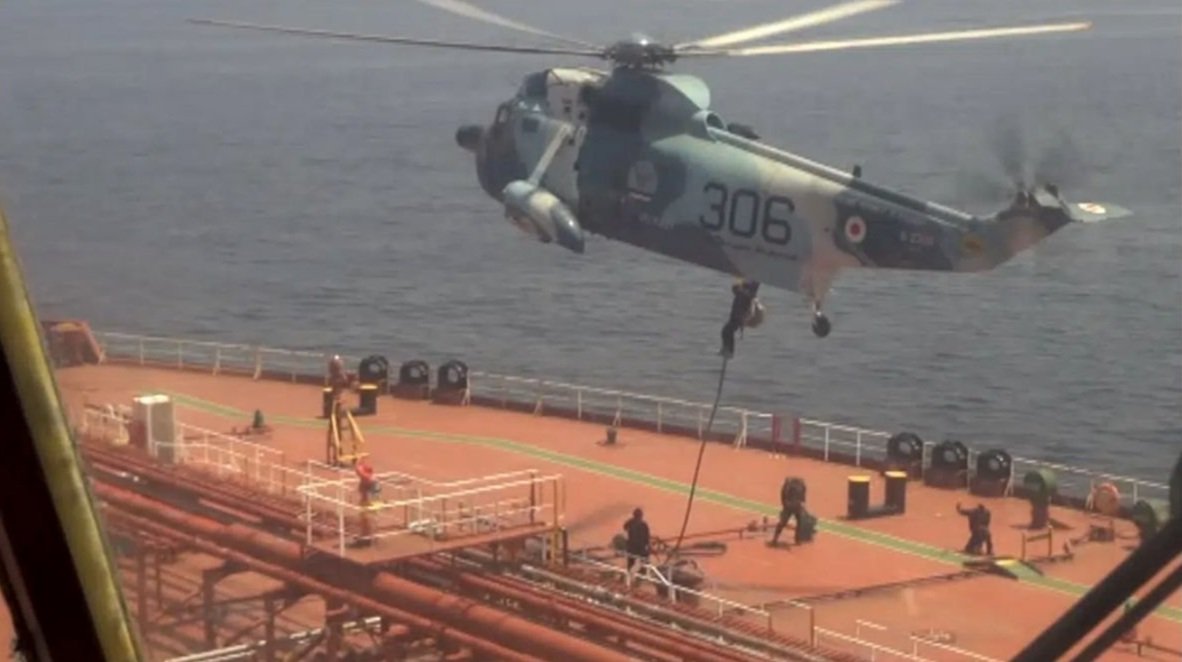
The seizure and detention of three tanker vessels by Iran in separate incidents in late April and early May 2023 has once again thrown the spotlight onto this particular threat in the Gulf of Oman and Persian Gulf area.
Vessel detentions have been used by Iran for broadly three policy goals. Each of these goals is influenced by regional factors, particularly the international sanctions under which Iran’s oil exports take place.
South-East Asia’s dark fleet and the consequences for legitimate traders
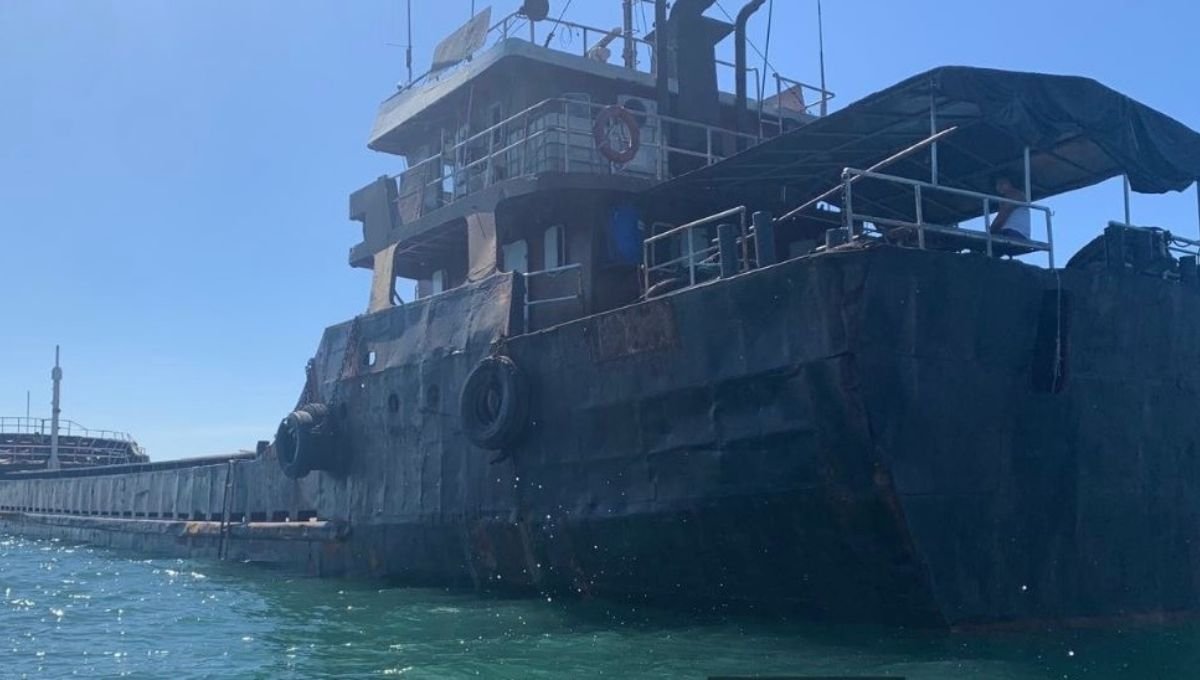
While there are well known consequences to the marine environment that can result from unauthorised ship-to-ship transfers, another consequence is the threat of innocent vessels being penalised as a result of sanction busters broadcasting false vessel identification details.
Tankers performing unauthorised ship-to-ship liquid cargo transfer operations in clandestine efforts to circumvent a range of sanctions not only pose a threat to the marine environment, but their efforts to mask their activities by concealing the true identities of the vessels involved can also impact vessel operators conducting completely legal business.
Risk analysis and the threats facing European logistics
European logistics operators continue to be confronted with numerous security threats with the potential to seriously disrupt their operations. Alongside cargo theft, recent data from the Risk Intelligence LandRisk Logistics’ System highlight violent robberies and the ever-more numerous protests from climate activist groups as some of the most important at present time.
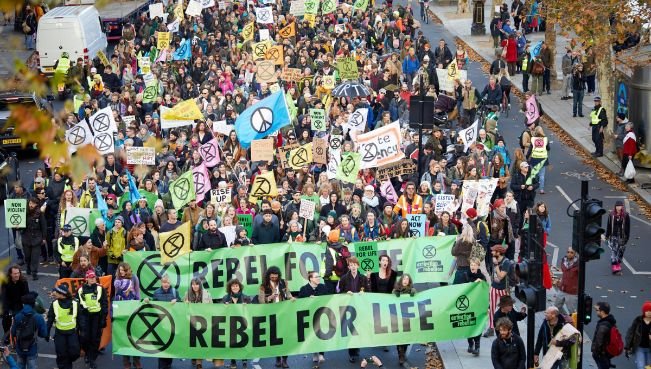
The past year has seen an unprecedented rise in climate activism-related actions in Europe. Campaigns aiming to block traffic on motorways and city centres have been widespread, particularly in the United Kingdom and Germany.

Corruption and drug trafficking in European ports
Maritime transport remains a method favoured by Organised Crime Groups (OCGs) involved in transporting prohibited goods and, in particular, drugs. A recent upkeep in seizures in European ports highlights the fact that these are particularly targeted by OGCs, who widely rely on the corruption of insider personnel to enable their criminal activities.
Over the last decade, the use of container shipping to transport illicit drugs to Europe has significantly increased. In particular, seizure data indicates that the vast majority of the cocaine sold on the continent since the mid-2010s was smuggled through its major container ports
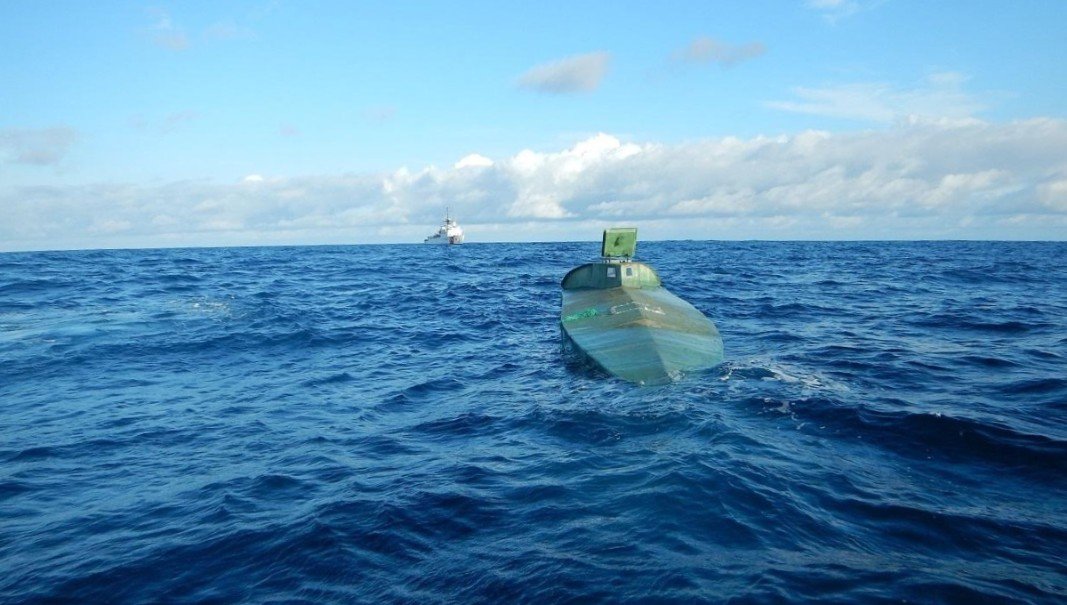
Transit of cocaine trafficking in the Atlantic
In the fight against cocaine trafficking through the Atlantic Ocean, Navies and drug enforcements agencies must deal with ever more ingenious traffickers. While the routes taken remain similar, the types of vectors and vessels differ according to the preferred modus operandi. West Africa and its main ports are also playing an increasingly important role in this traffic, where the region is becoming a redistribution platform and a fast-growing consumption area.
In order to move as much cocaine as possible from the producing countries, mostly in Latin America, to the consuming countries, traffickers show ingenuity and constant innovation, constituting an adaptation challenge for enforcement agencies, navies and the maritime industry.

Turkey votes for its future
Turkey held general and presidential elections on May 14, 2023, with no decisive winner emerging on May 15, although indications suggested that the incumbent, Erdogan, would survive the vote, including winning a majority in the parliamentary election. The opposition coalition led by Kılıçdaroğlu presented a serious electoral alternative, campaigning to restore ties with Europe and NATO, and to restore Turkish democracy.
General and presidential elections were held in Turkey on 14 May 2023. The last elections were in June 2018. A presidential candidate must achieve above 50% of the vote in order to be elected. No decisive winner emerged on Monday 15 May – although some indications were that the incumbent Erdoğan would survive the vote – including winning a majority in the parliamentary election. For president Erdoğan, and his Justice and Development Party (AKP), this election was a high stakes contest – with political survival hinging on some of the narrowest poll margins.

1 May – International Workers’ Rights Day: A reminder of Europe’s workers and their demands
Recent labour-related agitation in Europe has shown that the times in which employers could dictate wages and working conditions are over. Logistic companies continue to be directly affected by these developments, a trend that we expect to continue in the short term of the next 1-3 years.
Zooming in on recent labour-related activism in France and Germany, two key economic countries in Europe, emphasises how labour unions and ordinary workers have gained increasing power in their quest to achieve higher wages and better working conditions.

Myanmar: Political crisis continues to escalate after two years
Since the coup, the anti-regime opposition has frequently bombed and attacked military facilities. Due to the deteriorating security situation, the military declared a six-month state of emergency. In Myanmar, strikes and violence persist. Port operations are anticipated to continue as usual, despite the predicted disruptions to road traffic and businesses over the next few months.
Two years have passed since the Myanmar armed forces seized control of the government on 1 February 2021 following a general election which Aung San Suu Kyi’s party won by a landslide. Since then, the military crackdown on the National League for Democracy (NLD) has been ferocious.
The global business of cocaine trafficking
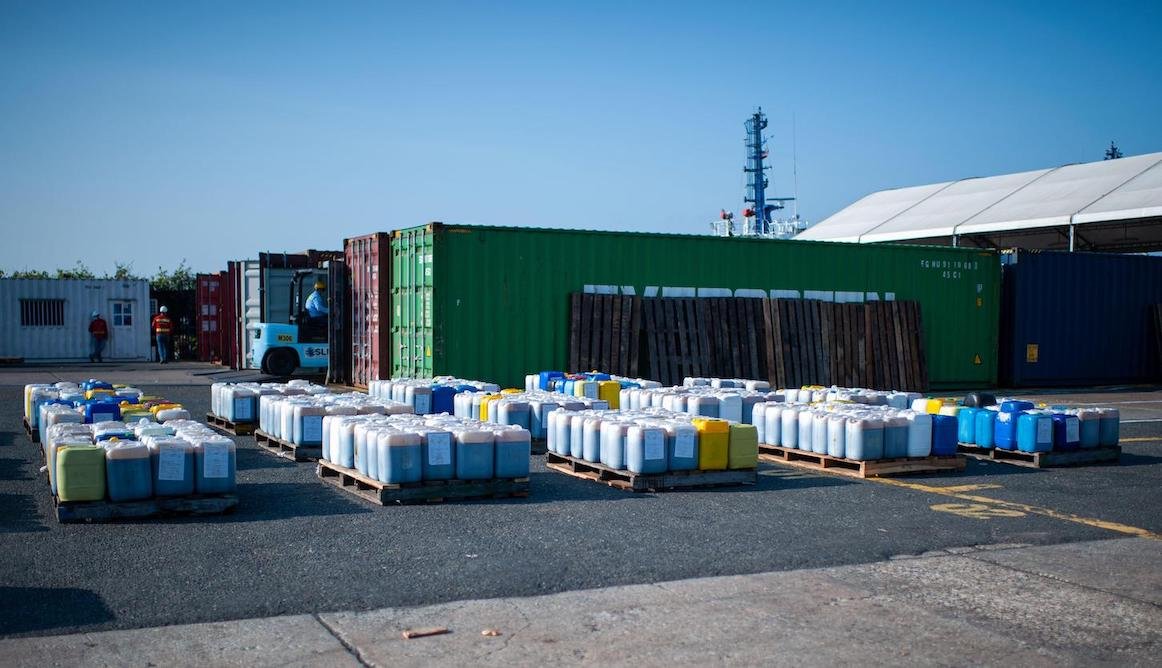
During the last two years, the amount of cocaine trafficked from Latin America to the rest of the world has reached record levels, bringing to light new routes of interest, criminal actors, and methods of smuggling. Most of the traffic takes place by sea on cargo ships, possibly causing severe repercussions for shipping companies.
Cocaine trafficking is a huge global business worth billions of euros yearly. Since the beginning of the Covid-19 pandemic, the amount of cocaine manufactured and trafficked has increased to historical highs. More specifically, estimates show that in 2020 around 1980 tons of cocaine were produced, while in 2021 this amount increased to approximately 2675 tons.