

Indonesia: The consequences of unauthorised anchoring
Since the commencement of the Indonesian Navy's focused campaign in 2019, many vessels have been fined and detained off Bintan Island and along the Riau Archipelago due to anchoring or drifting in Indonesian territorial waters without first obtaining authorisation from local authorities. In late-2021 and early-2022 several Protection and Indemnity insurance companies (P and I Clubs) issued updated advisories to their members regarding an increase of continued vessel detentions, urging their members anchoring within Indonesian waters to fully comply with the local regulations.
Globally there are few coastal states that will tolerate unauthorised anchoring. In Southeast Asia, Indonesia, like Malaysia, has stepped up enforcement activities directed at vessels that anchor without authorisation, as well as vessels that deviate from sailing routes and those that conduct ship-to-ship operations without authorisation or in prohibited areas for such activities.

Iran and the United States still deadlocked over nuclear issue
Talks to reinstate the 2015 JCPOA agreement between Iran and international community remain deadlocked. The Ukraine situation has again affected the talks as the US has imposed new sanctions on various Iranian entities. Head of Intelligence Analysis, Dr. Guy Wilson-Roberts has a briefing.
Despite some optimism at the end of August that a deal was close, talks between the United States and Iran (which also include the EU, Russia, and China) remain deadlocked. Iran is pushing for more guarantees that any lifting of the crippling sanctions imposed against it will be more enduring and not subject to the political mood in Washington. The United States wants to ensure that Iran’s nuclear ambitions can be put permanently on the shelf, particularly to forestall any unilateral action by Israel.
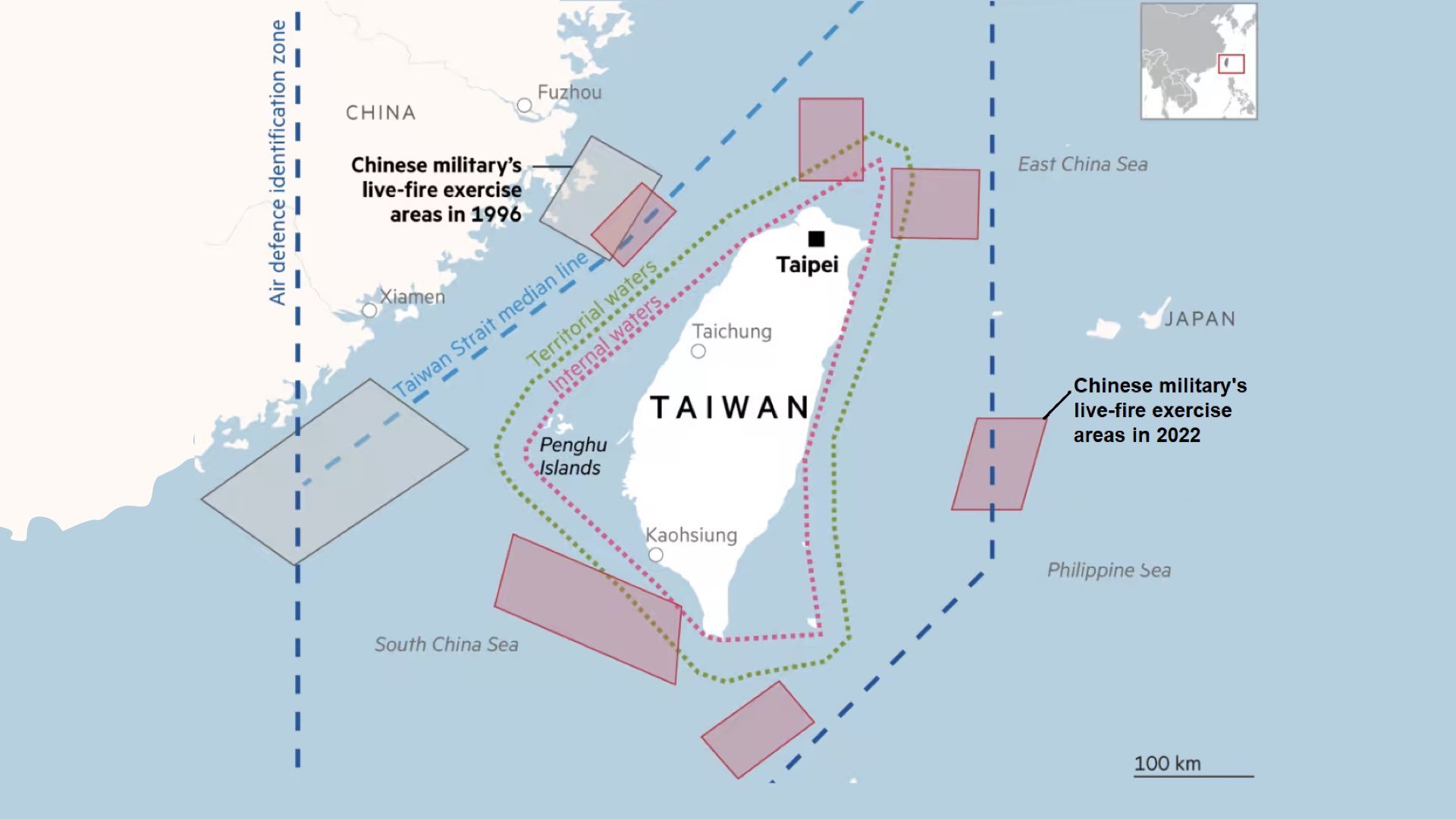
East Asia: Impact of China and Taiwan conflict on shipping
The Taiwan Strait is a key shipping route, with 88% of the world’s largest ships by tonnage passing through it. Recent Chinese military exercises in the strait have caused little disruption to traffic, but a recent US state visit to Taiwan triggered a significant reaction from China that has caused concerns about future impacts of the China - Taiwan conflict. Analyst Katie Zeng Xiaojun has an update.
The Republic of China (ROC), or Taiwan, has been governed separately from the People’s Republic of China (PRC) since 1949. It occupies an awkward place in international relations. Despite being a democracy of over 20 million people and an economy in the top tier globally by exports and imports, it is not widely recognised as a ‘state’ and is not a member of the United Nations. The PRC government in Beijing sees Taiwan as a breakaway province that it hopes to unify one day, which creates tensions in Beijing-Taipei and regional relations.
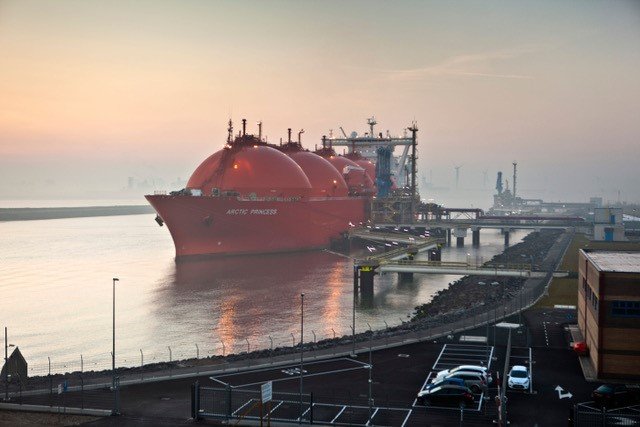
Activism, the cost-of-living crisis, and the coming Winter of discontent.
Since the Russian invasion of Ukraine in late February, everything from consumer goods, to fuel, to heating, has become increasingly expensive for companies and consumer alike. With the Summer over and staring down the Autumn and Winter in Europe and the West, heating prices will compound the cost-of-living crisis. As most wages will fail to follow the inflation, industrial action disrupting the supply-chains over the Autumn and Winter of 2022/23 is becoming very likely.
On 21 August 2022, Felixstowe, the busiest port in the UK handling almost 50% of UK container traffic, saw work ground to a crawl as 1.900 port workers began an eight-day strike. The union representing the port workers had negotiated salaries with the port over the Summer, but as the parties failed to find common ground, the picket lines started forming on 21 August.

Algeria and Italy: Cementing gas deals keeping the door to Russia ajar
Algeria and Italy are going through a gas-fed honeymoon. Over the past year, Algeria has hosted a slew of state visits by high-ranking Italian officials, including President Sergio Mattarella and Prime Minister Mario Draghi. The Draghi Government’s commitment to the partnership was such that the Italian PM visited Algeria in July, even while embroiled in a domestic political crisis that ultimately led to the breakdown of Italy’s ruling coalition.
On July 18 2022, a host of agreements were announced between both countries, covering everything from counter-extremism efforts to large infrastructure projects. Crucially, Algeria committed to increasing its gas deliveries to Italy, delivering upwards of 9 billion cubic metres (bcm) in 2023, up from 3 bcm in 2021.

Middle East: Threats near Suez Canal and Sinai region this summer
In addition to the many challenges faced by Egypt, including inflation and the grain crisis due to the conflict in Ukraine, the Egyptian government must deal with terrorism in North Sinai, which remains a marginalised area that extremist jihadists from Daesh Wilaya Sinai (DWS) use as a rear base. While the group was still known as Ansar Bayt al-Maqdis, it achieved recognition in 2013 with its best-known attack against the Panamanian-flagged container ship COSTCO ASIA, while the ship was transiting through the Canal, followed by two more attacks 2014 and 2015 against Egyptian navy vessels near the Egyptian coast.
Despite the fact that no major incidents have occurred in Suez since 2013, and in the Sinai region since 2019, DWS resumed its activity at the beginning of this summer. Raids took place recently in May and June, when DWS claimed responsibility for the death of 11 Egyptians soldiers, after attacking at a water pumping station checkpoint at el-Qantara, along the Suez Canal.
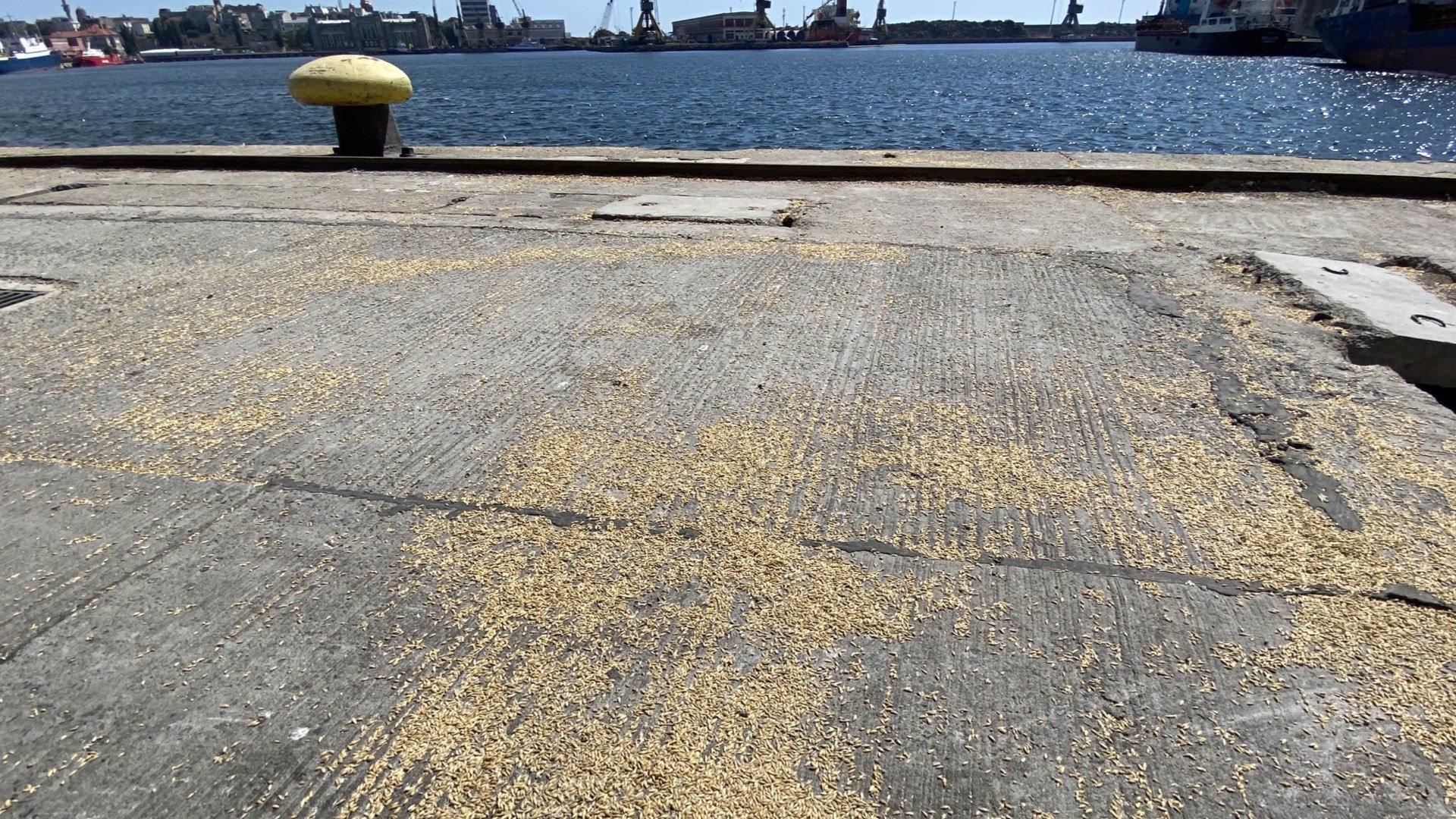
Northern Black Sea: Port security risk update
The impacts of the Russian invasion of Ukraine, and subsequent war, have been felt across many areas of the shipping and wider logistics industry. Our PortRisk team has been on the ground looking at how goods are diverting and where the alternative grain loading has been taking place.
Constanta has seen huge increases in container traffic and the port is working incredibly hard to ensure there is as little disruption as possible as the goods move to land transport.
Grain loading operations in Izhmail are busy with vessels and the marine traffic in the Danube, canals and associated anchorages is already proving challenging.
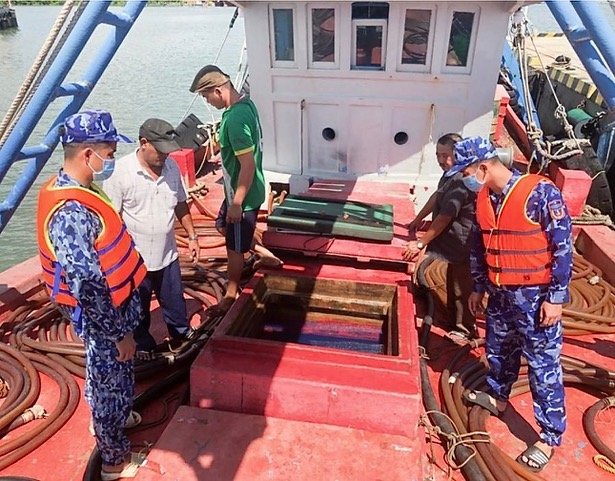
South-east Asia: Illegal fuel sales remain a concern
While crime syndicates in south-east Asia have shifted much of their illegal fuel trading activities to land, recent incidents indicate renewed activity at sea. Although the criminal syndicates are known to primarily target locally trading small tankers, their activities can expose other vessels to acts of theft and robbery.
From 2007 to 2017 smaller sized regionally trading tankers operating on the waters of south-east Asia faced the threat of hijacking. Unlike hijackings off Somalia and later in the Gulf of Guinea, hijackers in this region were not seeking to hold seafarers for ransom, but rather sought to obtain liquid cargoes that could be resold for profit on the black market.

Activism, industrial action, and the Russian invasion of Ukraine
The war in Ukraine has had a profound impact on the world’s supply-chains. The major Ukrainian seaports not captured by Russia have reportedly been mined to prevent amphibious operations, and the routes are blockaded by the Russian Black Sea Navy, leading to significant changes in trade-routes and issues transporting agricultural products. However, outside the war zone, the war has also led to a decentralized activist response against Russian energy products, with numerous cases of maritime incidents related to protests, activism, and industrial action over Russian invasion.
In the early stages of the war, environment, and peace activists, who often have the same ideological baseline, were very active in harassing Russian vessels, or vessels transporting Russian energy products. This happened on numerous occasions, where vessels were blocked at ports, by locks, at anchorages, and elsewhere, to prevent them from accessing port infrastructure or conduct transfers, with incidents happening both in the US and Europe.

Chinese/Taiwanese rivalry finds new arena in Somalia
China and Somalia have long maintained a close relationship with each other. Somalia was the first country in East Africa to establish diplomatic relations with China, shortly after their independence in 1960. The country also supported China in their successful bid to obtain a permanent seat in the UN Security Council in 1971, as is often noted by Chinese diplomats.
China’s engagement in Somalia has mostly been of an economic, development or cultural character, although China also delivered non-lethal military aid to Somalia as recently as March 2022. Several natural resources in Somalia have China’s interest. Fishing is a major business in Somalia, which has the longest coastline in continental Africa. China has been investing in the industry both in terms of fishing licenses and a fishing port in Eyl.
Insurgent and terrorist activity in Asia
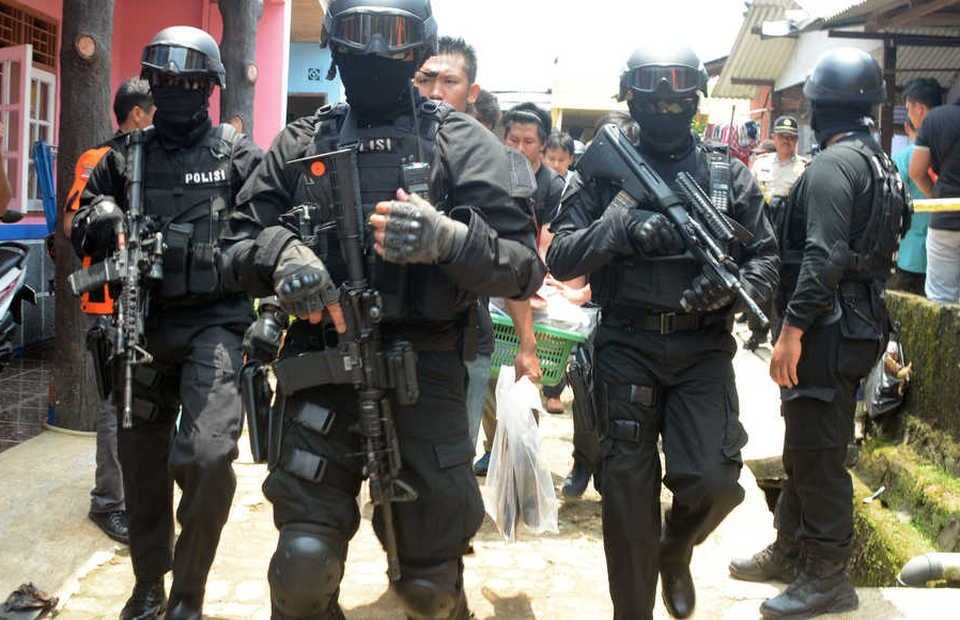
Terrorist and insurgency groups in Asia remain active. At times, the tactics employed skew the respective distinctions. As an example, one of the most notorious of these groups, Abu Sayyaf (ASG) operating in the southern Philippines, sought to establish an autonomous Muslim state. Joined by other like-minded militants including the Maute Group, they laid siege to Marawi for several months in 2017, battling the Philippine armed forces until they were pushed back to their jungle strongholds along the Sulu Archipelago.
Subsequently the ASG began to employ terrorist tactics that included the murder of hostages and more recently the deployment of suicide bombers at police and military posts, markets and places of worship, all resulting in civilian casualties.
Libya: How is the reunification of Libya progressing?
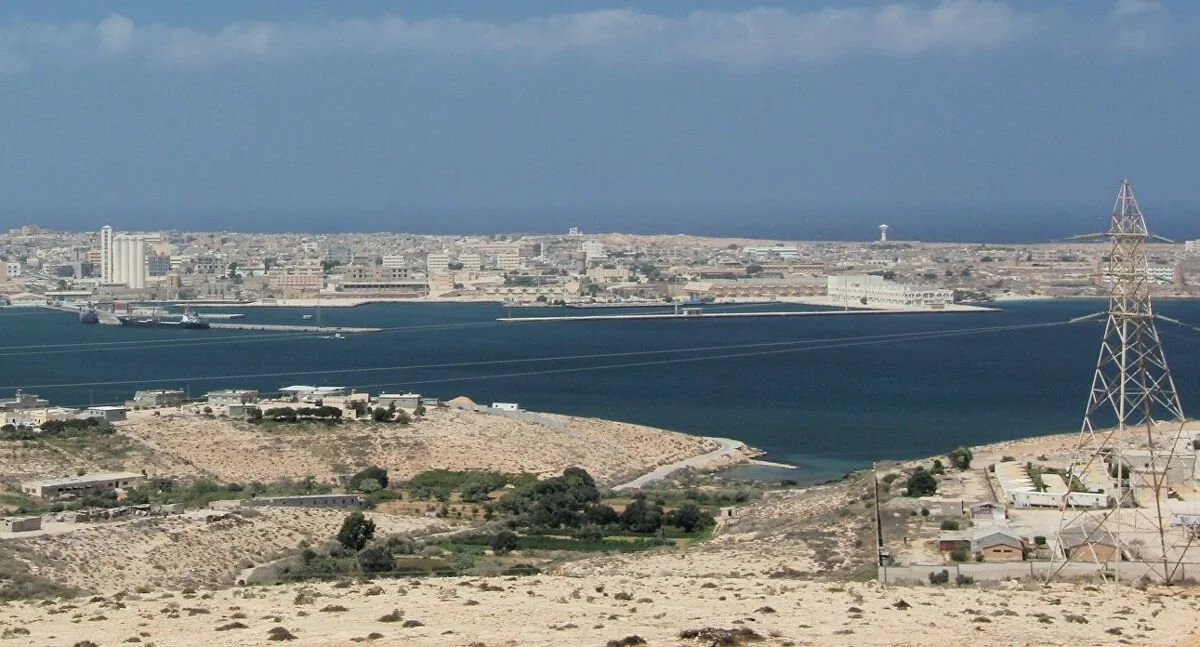
How is the reunification of Libya progressing? The Force Majeure on Libyan oil terminals has reminded us that with the 2021 elections cancelled, and with no clear path forward, political figures in Libya are struggling for control of a process that seems to be stalled.
Libya is still divided in two. Following the cancelled December 2021 elections, the country is no closer to reunification than it was before the Government of National Unity (GNU) took power in early 2021. The GNU is based in Tripoli and controls the west, whereas the Libyan National Army (LNA), based in Benghazi, controls the east.

Arms smuggling in the Mediterranean
The issue with arms smuggling, spans from the wider threats to regional and national security to the narrower regarding localised and individual security. However, the issue goes beyond this.
There is also an impact on the logistics sectors which are impacted by the operations of smuggling arms – illicit or otherwise. Additional concerns include the safety issue of inadvertently transporting potentially explosive materials and the possible dangers, to crew and vessel, or any other mode of transport.
Climate activist protests in the UK – putting the squeeze on oil terminals
The Ukraine conflict has placed an increased focus on the use of fossil fuels, particular as western nations scramble to find stop gap alternatives to Russian oil and gas.
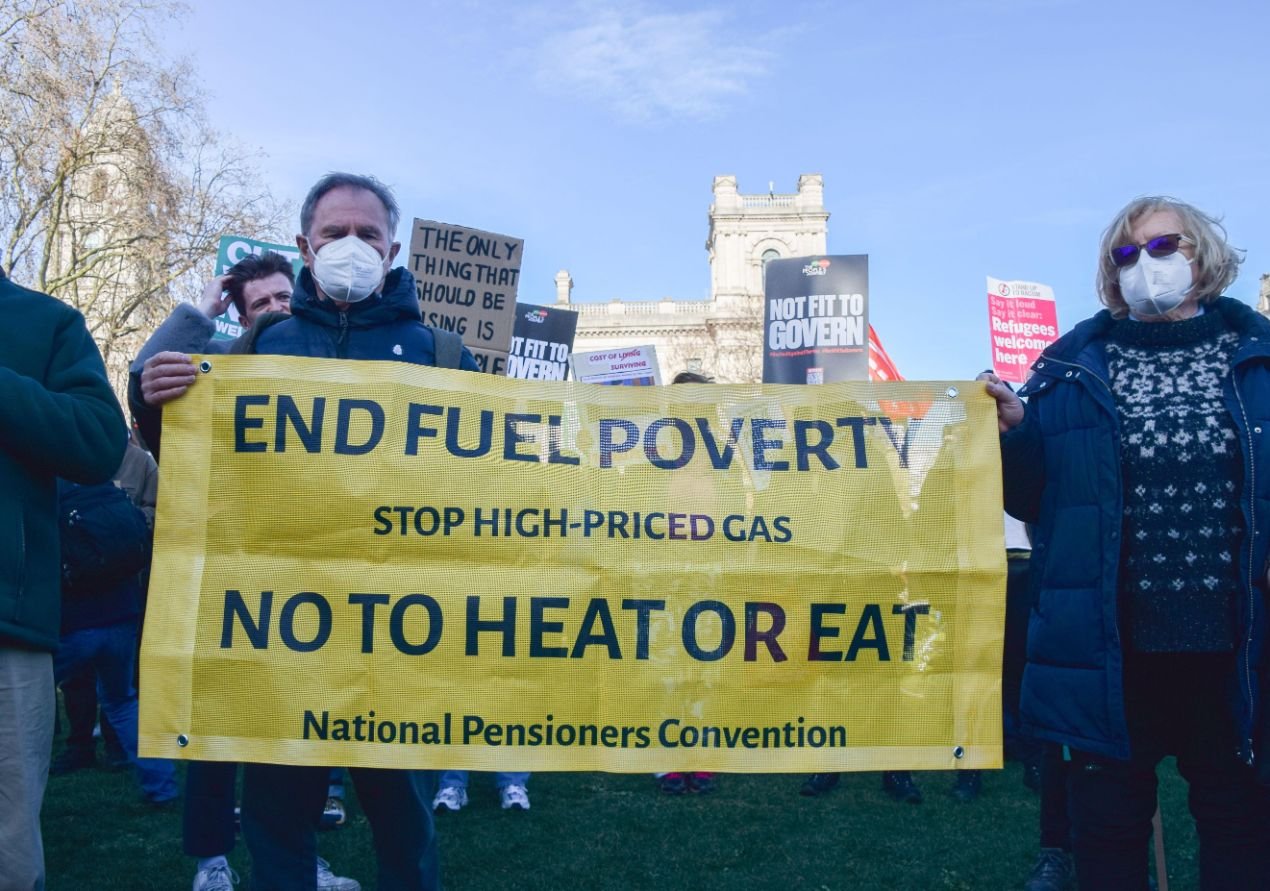
This increased media attention may have contributed to the latest round of climate activist protests across the UK. On 01 April 2022 climate activists blockaded 10 separate oil terminals/facilities across the UK in London, Essex, Southampton, Staines, Hemel Hempstead, and Birmingham. This was a coordinated action by the Just Stop Oil and Extinction Rebellion climate activist groups. A truck parking site frequented by tanker trucks located close to an oil terminal was also targeted.

Activism - what is next for Spain
Although the immediate threat of violent protests against the supply chain in Spain has passed, activism remains a potent component of the national social/political makeup. Demonstrations and protests are common. Powerful and well organised unions have overseen major strikes and disruptions across multiple industry sectors in the past.
Most often protests focus on socio-economic issues and take place in major cities near government institutions or other official buildings. Apart from localised disruption, these protests do not have much impact on transport and logistics.

South Asia port security: Sri Lanka fuel crisis
Sri Lanka has been grappling with its worst energy crisis in over seven decades, caused by the shortage of foreign exchange. The fuel shortage has resulted in long queues of vehicles lining up outside gas stations, industries that rely on diesel to operate at a suboptimal level, and frequent power cuts.
The Sri Lanka government has started fuel rationing for vehicles and imposing power cuts for up to 13-hours daily. There were daily protests in the country demanding the resignation of President Gotabaya Rajapaksa and his government. Over the last two weeks, protesters demonstrated in various locations in Colombo, setting fire to buses, pelting stones, and blocking major roads leading to Colombo.

Piracy off the coast of Somalia - a new era?
No successful piracy attack has occurred in the last four years off the coast of Somalia, and the UN authorisation to fight piracy in Somali territorial waters has officially ended. Somalia is looking to focus more on IUU fishing and controlling its own waters. But what does this mean for regional anti-piracy efforts?
In the annual meeting of the UN Security Council regarding piracy off the coast of Somalia on the 2nd of December 2021, Somalia called for only a three-month technical rollover of the UN-authorised international naval missions in Somali territorial waters. Despite scepticism from international actors, Somalia argued that the Security Council’s resolution regarding anti-piracy measures had successfully achieved its intended objectives.
Libya: Rival prime ministers and the country's political process
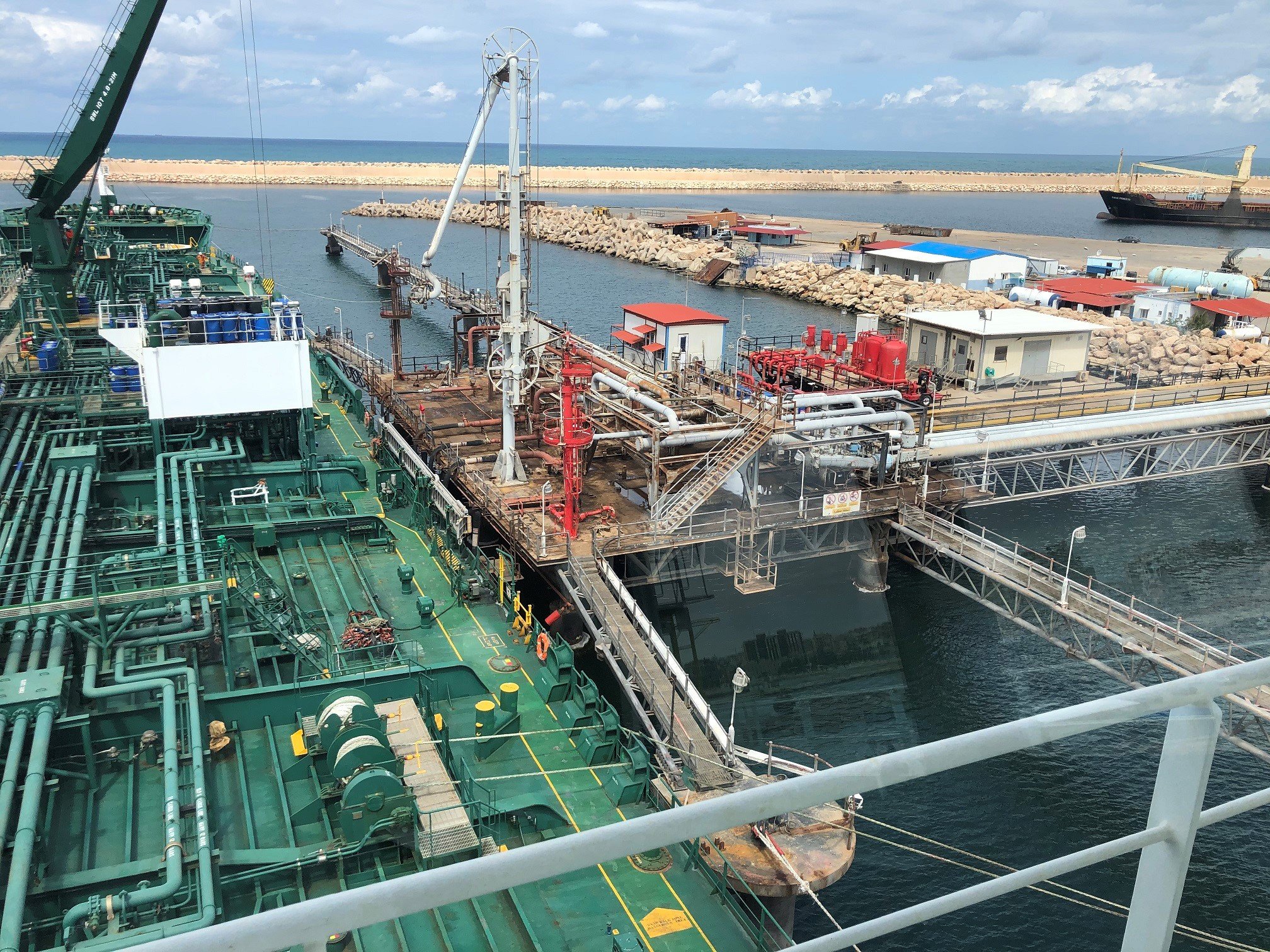
Libya now has two rival Prime Ministers, and neither seems intent on backing down in the coming show of force. What does this mean for Libya’s political process, and what impact does this have on the country’s all-important oil & gas sector?
With a contested vote, Libya’s House of Representatives in Tobruq has recently nominated former Fathi Bashagha Prime Minister of the Government of National Unity. Having previously served as GNA Interior Minister and hailing from Misrata, like current PM Abdelhamid Dbeiba, Bashagha enjoys significant support among armed groups and political factions in western Libya, including among the influential Misratan militias.
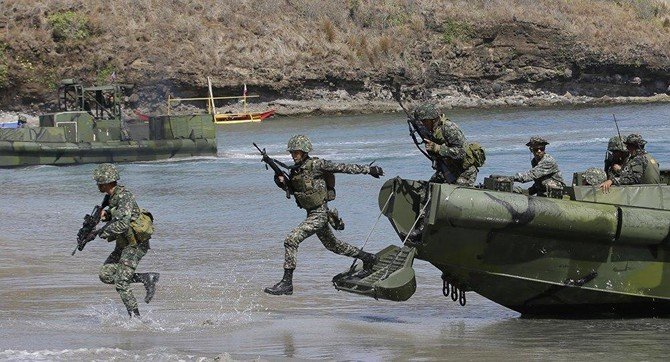
SEA: The once feared Abu Sayyaf Group no longer reigns the seas
On 18 March 2021 the last four seafarer hostages held by the Abu Sayyaf Group (ASG) were freed by the Philippines Armed Forces. Kidnapped from their fishing trawler SSK 00543 in the Sulu Sea about four nautical miles off the coast of Sabah with four of their colleagues on 17 March 2020, they had spent a full year held by ASG militants in encampments throughout the Sulu Archipelago. Three of their shipmates had been freed earlier on 18 January 2021, while one died during a rescue operation on 29 September 2020.
The rescue of the crew kidnapped from the SSK 00543 coincided with a series of misfortunes for the ASG. The rescue took place during an attempt by several ASG leaders and members to flee to Sabah, moving along the Sulu archipelago on motorboats from strongholds on Jolo and Basilan in the east towards Tawi Tawi in the west. ASG operatives who succeeded in fleeing to Sabah did not, however, manage to elude the long arm of the law. Malaysian authorities tracked them down in the jungle of Sabah, where several ASG militants were arrested while others were killed.
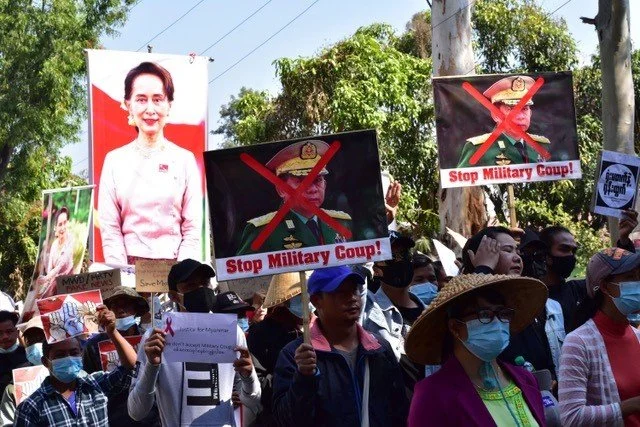
Myanmar: One year on from the military coup
Just over a year has passed since the Myanmar armed forces seized control of the government on 1 February 2021 following a general election which Aung San Suu Kyi’s party won by a landslide. The country is still caught up in conflict, and warfare has spread to every region. According to reports, more than 1,500 and 8,000 people were killed and detained in the past year.
The opposition to military rule continued their civil disobedience against the military regime. The military junta circulated leaflets warning that participants would be charged with terrorism, incitement and violating the electronic communications law. Thus, in commemorating the first anniversary of the coup, the protesters held a “silent strike” by staying at home, closing their shops and halting activities for six hours.