
Singapore Strait vessel boardings surge
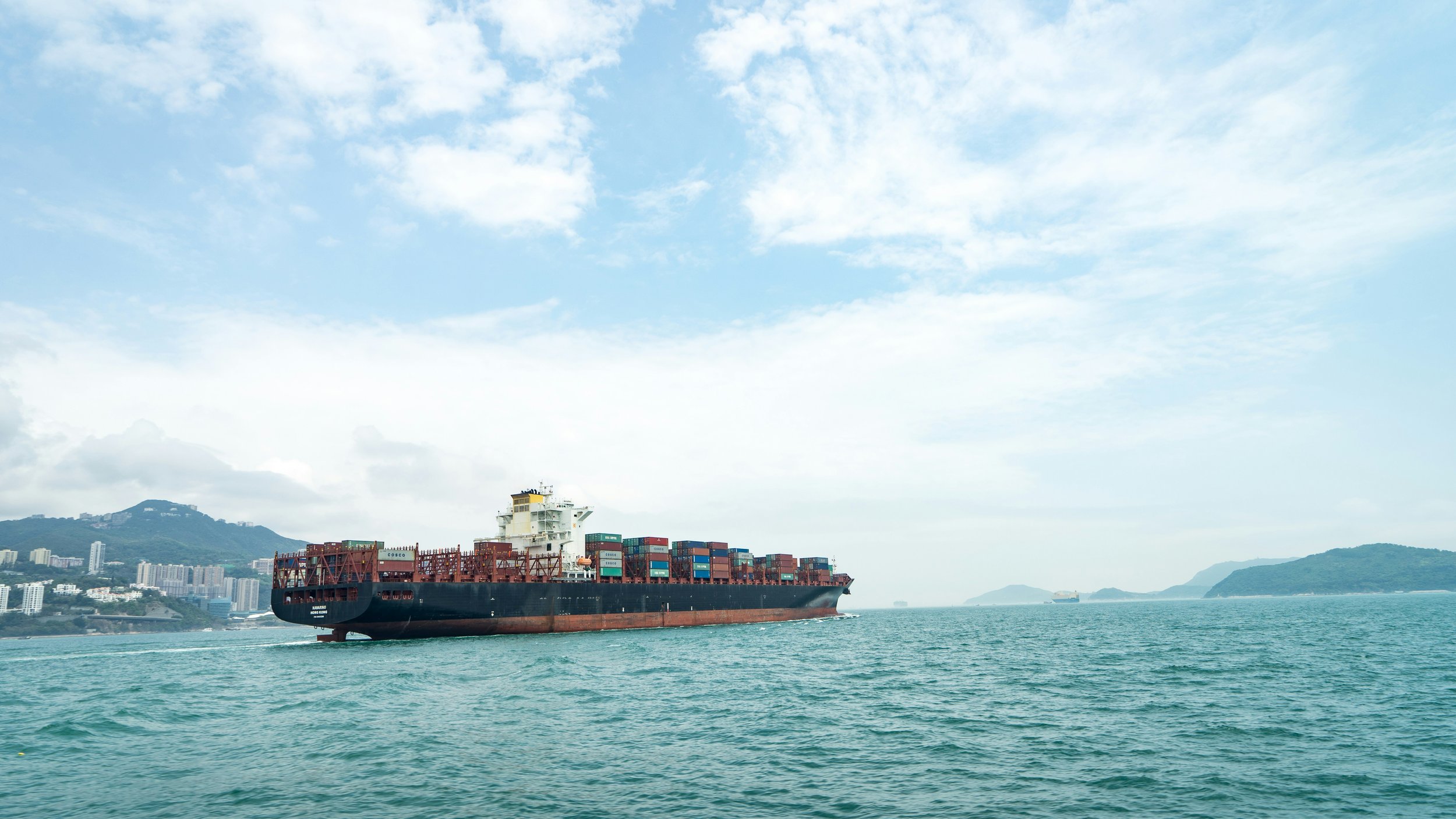
The image displays a large container ship sailing in open water, capturing a moment in global trade and logistics. Source: Unsplash
11 July 2025
While other areas in Southeast Asia have seen a decline in thefts and armed robberies, vessels navigating the Singapore Strait continue to face an increase in boardings.
By Thomas Timlen, Senior Analyst
Security in Southeast Asian waters in the first half of this year has been marked by a sharp increase in armed robberies and thefts aboard vessels transiting the Singapore Strait. While piracy-related incidents elsewhere in the region have declined, boardings in the Strait have surged significantly compared to the same period in 2024.
The first half of 2025 saw 82 incidents in the Singapore Strait, a 257% jump from 23 in the same period the year before. Of all incidents in Southeast Asia, 85% now occur in the Singapore Strait, up from 52% in the first half of 2024.
This sustained rise contrasts with cyclical patterns in earlier years that were associated with changing weather, lunar phases and festive holiday periods. The current non-cyclical frequency of vessel boardings that began in November suggests that, rather than these factors, it is more likely that inadequate maritime enforcement in Indonesian waters may be the key contributing driver.
Container ships, which had been untouched for a decade, have again become targets. During the first half of this year, eight incidents (10%) involving container ships were recorded. Most incidents, however, still involve bulk carriers (58%) and tankers (24%), with barges and general cargo ships also affected.
Perpetrators have employed weapons, including knives and airsoft guns. Some ship operators have responded by installing stern-mounted razor wire, although attackers have attempted to cut through these defences.
Despite this troubling trend, except for bunker barges and tugs, there have been no vessel hijackings or crew kidnappings throughout Southeast Asia since 2017 and 2020, respectively.
The low occurrence of crew being injured during such attacks is reassuring. Based on the behaviour of the perpetrators, it appears that the weapons carried are primarily used to hold crew at bay if and when encountered. This is supported by the fact that, in most cases, once detected, thieves and armed robbers will seek to escape, regardless of whether they have managed to collect any engine spares or other items to steal. On the occasions in which crew have been injured, this has resulted from perpetrators being encountered by surprise or being cornered, resulting in the panicked use of knives and airsoft guns. Nonetheless, the increasing frequency of boardings on the Singapore Strait raises concerns.
RISK ASSESSMENT REPORTS:
Detailed assessments of the latest developments in maritime security in Southeast Asia are available in Risk Intelligence’s Monthly Intelligence Report and the Asia Strategic Overview.