
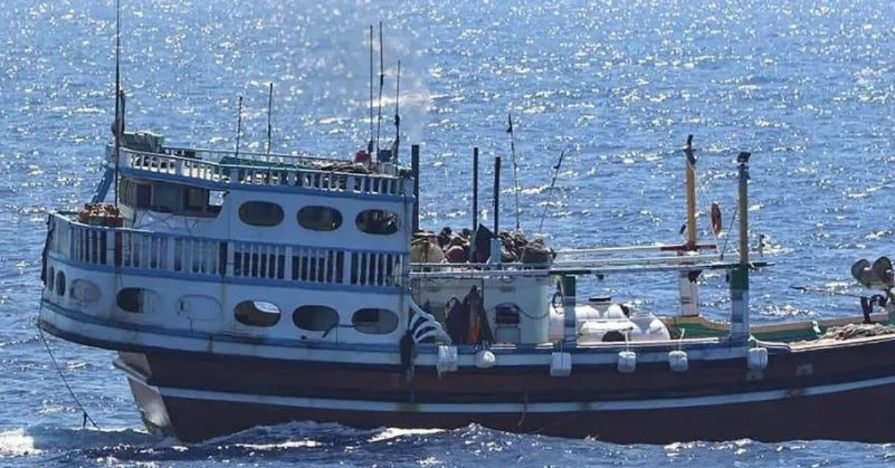
France 24: Fears that pirates are returning to seas off Somalia
In a recent interview with France 24, Hans Tino Hansen, CEO of Risk Intelligence, addresses the growing concerns surrounding a potential resurgence of piracy along the Somali coast.
The original release date of the article was on 14 February 2024, as published by France 24.
The article discusses a recent increase in pirate activity off the coast of Somalia. The successful hijacking of a cargo vessel in December 2023 marked the first such incident by Somali pirates since 2017.
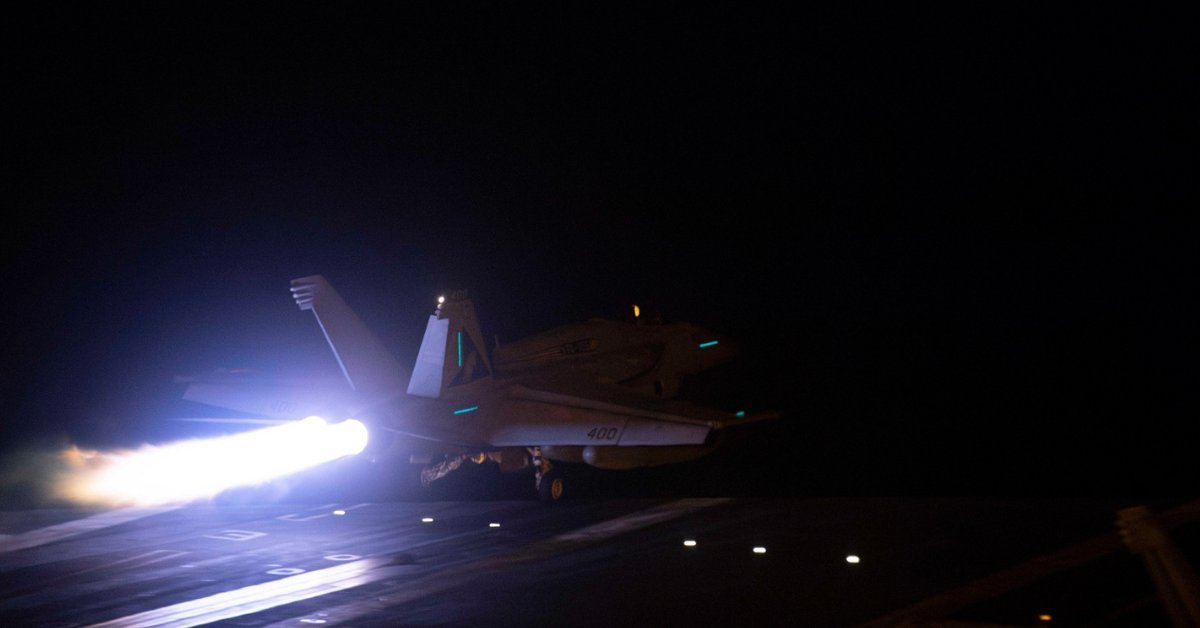
Berlingske Tidende: He has both sources and analysts in Yemen: The attacks wear down the Houthis - but something else is needed to stop the missiles
In a recent interview with the Danish daily, Berlingske Tidende, Hans Tino Hansen, the CEO of Risk Intelligence, provides insights into the impact of international coalition airstrikes on Houthi targets in Yemen, emphasising the need for negotiations to achieve a comprehensive solution.
The original release date of the article was on 04 February 2024, as published by Berlingske.
The article discusses the recent airstrikes by the United States and Britain on 30 Houthi targets in Yemen, aiming to curb the group's impact on global trade.
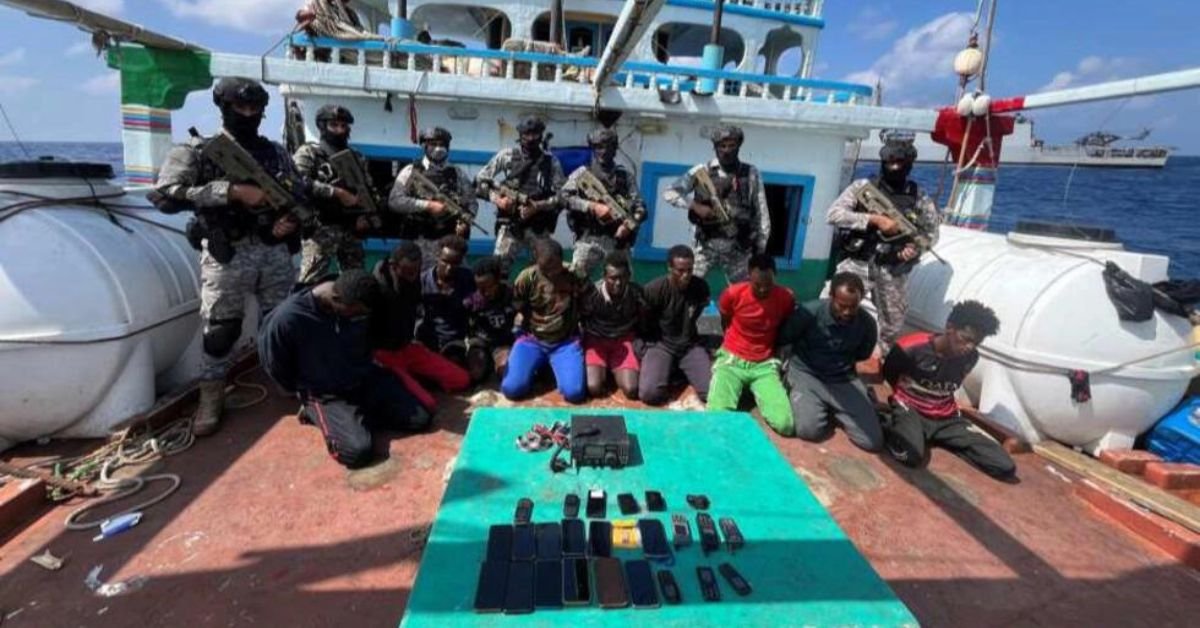
Piracy: multiplication of incidents off the coast of Somalia, in the midst of a crisis in the Gulf of Aden
Louis Borer, Senior Analyst of Risk Intelligence, delved into the unfolding developments in the Western Indian Ocean and the current situation in the Red Sea in an interview with RFI. Louis Borer expressed concerns regarding the recent increase in pirate activities off the coast of Somalia.
The original release date of the article was on 30 January 2024, as published by RFI.
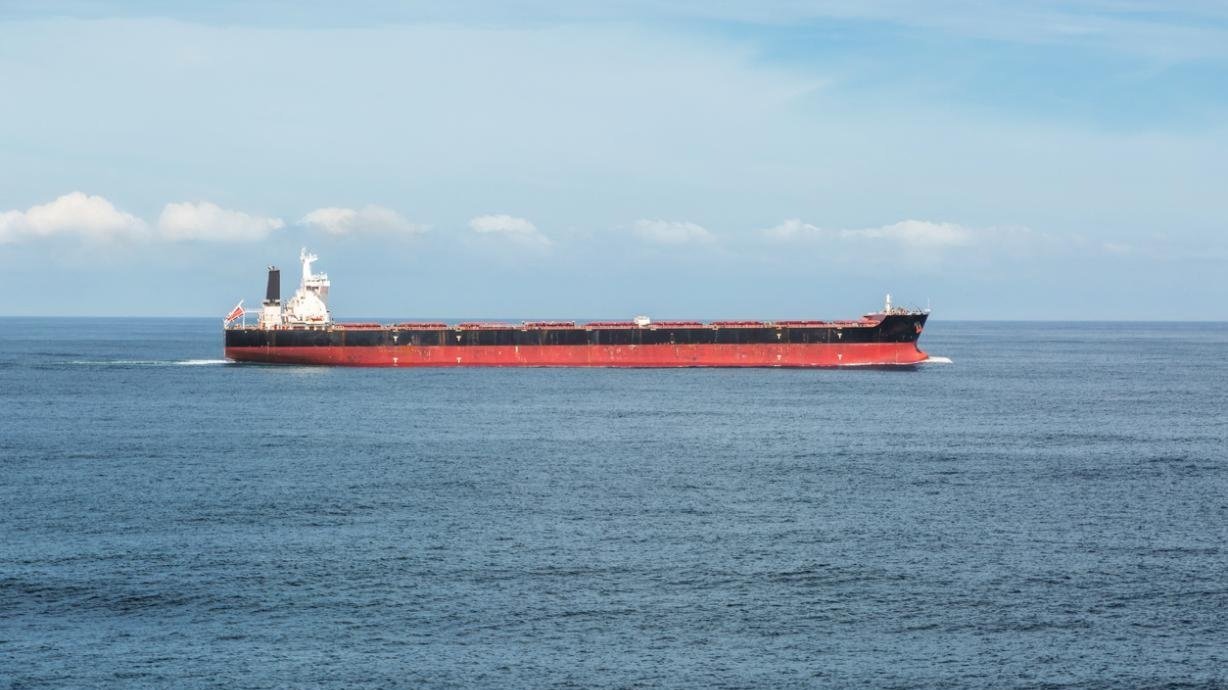
Aftenposten: The ongoing situation in the Red Sea and Gulf of Aden
In a recent interview with journalist Vemund Sveen Finstad from Aftenposten, Hans Tino Hansen, the CEO of Risk Intelligence, shared insights into the escalating crisis in the Red Sea. As tensions rise, Hansen sheds light on the defensive strategies employed by the coalition forces, emphasizing the importance of risk assessments for shipping companies.
The original release date of the article was on 22 December 2023, as published by Aftenposten.

Reducing supply chain risks at cargo crime ‘Hotspots’
Jeanne Albin, LandRisk Security Specialist and Steve Bacot, LandRisk Manager recently contributed to TAPA EMEA with an article highlighting the importance of cargo theft crimes, which continue to pose a significant threat to the global supply chain.
Cargo theft is a major concern for global supply chains as it has the potential to greatly impact companies' reputations and financial performance. The industry is working to address this by developing preventive technologies, establishing security standards, and increasing awareness. Limited security budgets and a lack of secure truck parking can pose obstacles to progress.
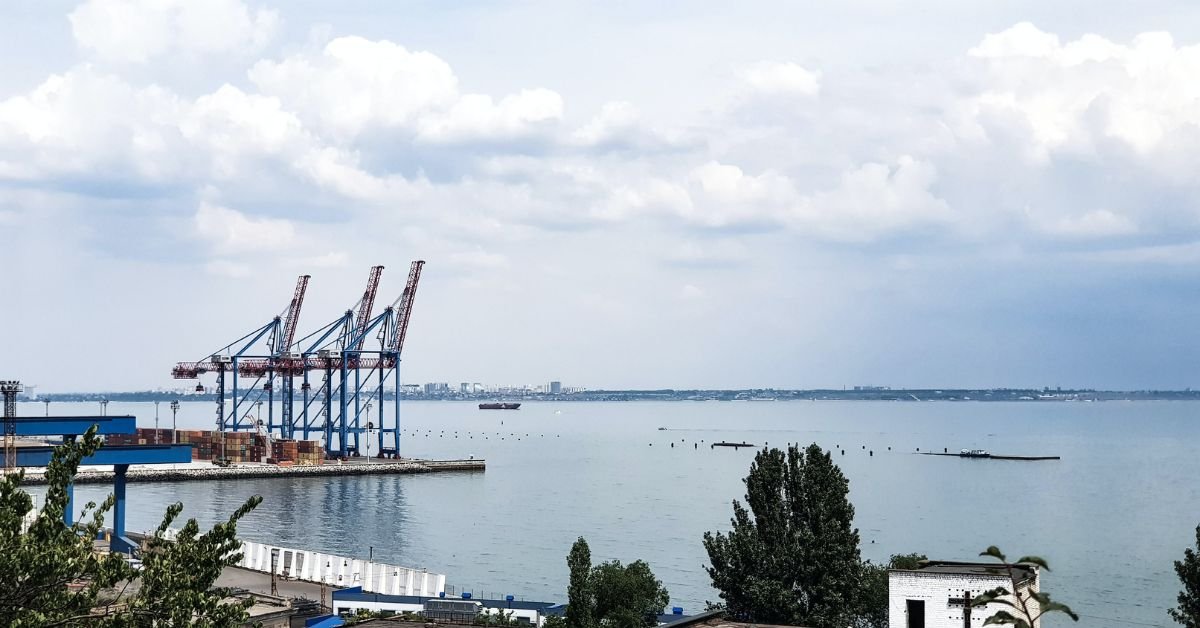
Lloyd’s List: Ukraine denies maritime corridor is closed
Lloyd’s List data analyst Bridget Diakun interviewed Risk Intelligence CEO Hans Tino Hansen and other experts on the threat of sea mines in the Black Sea maritime corridor.
The author of the article follows the news of the Black Sea maritime corridor, which was initially reported as closed due to concerns about sea mines, causing confusion.
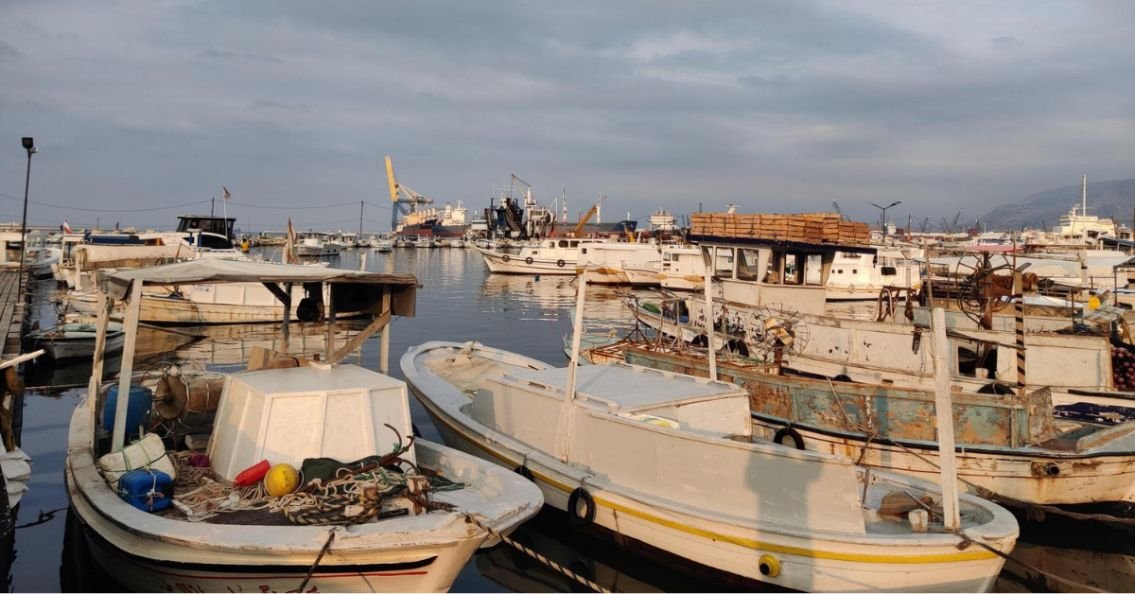
Lloyd’s List: Analysts diverge on shipping risk in Middle East Gulf but warn of volatility
Lloyd's List's senior maritime reporter Tomer Raanan, recently queried MENA analyst Kais Makhlouf and other security experts to gather insights on the current risk faced by shipping in the Middle East Gulf.
The US has reportedly frozen $6 billion of Iranian oil money, which was part of a prisoner exchange deal with Iran. This decision is seen as a significant development with potential consequences.
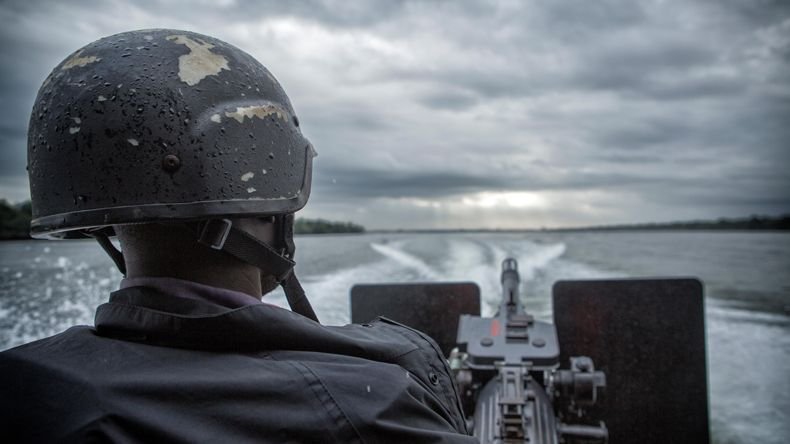
Lloyd’s List: Guards still needed in some areas, experts warn
Lloyd’s List finance editor David Osler recently interviewed Risk Intelligence CEO Hans Tino Hansen along with the perspectives of other experts in the field on piracy and maritime crimes.
Despite the decade-long drop in piracy, experts recommend maritime companies to use armed forces in certain areas. In 2022, Lloyd's List Intelligence casualty data reported 91 piracy and maritime incidents, primarily occurring in Southeast Asia and Africa's west coast.
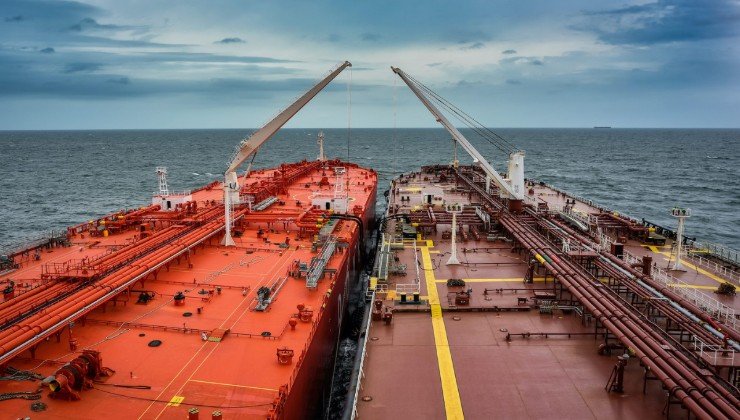
South-east Asia’s dark fleet and the consequences for legitimate traders
Thomas Timlen, an analyst at Risk Intelligence, recently had a briefing republished on Safety4sea, in which he discussed the well-known implications of unauthorised ship-to-ship transfers on the marine environment and the threats to innocent vessels.
Unauthorised ship-to-ship transfers of liquid cargo in an attempt to evade sanctions threaten the marine environment and can affect legitimate shipping companies.

Adapting to the post-pandemic world
Risk Intelligence analyst Thomas Timlen, recently contributed to the publication Global Posts Report 2023 with an article that discussed opportunities and challenges in the Asian port sector along with the perspectives of other experts in the field.
Looking at the potential development of Asian ports requires a broad geographic perspective that spans a vast area from Turkey in the west to Indonesia in the southeast, with Russia rounding out the region in the north. Asia, the world's largest continent, has a diverse geopolitical, commercial, and environmental features that supports growth and opportunities in certain areas but poses particular challenges in others.
Security expert: Kidnapping cases involving pirates from West Africa will typically take 30 days
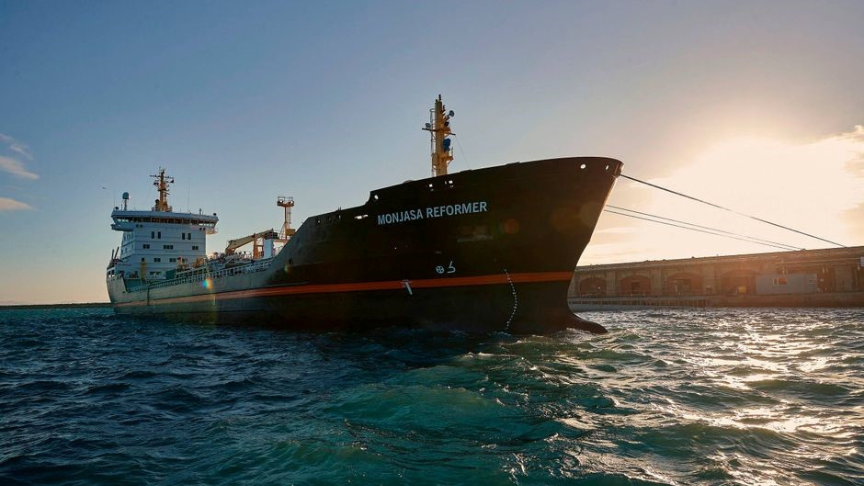
Journalist Didde Venzel of the Jyllands-Posten recently interviewed Hans Tino Hansen, the CEO of Risk Intelligence, about the piracy attack on the Danish ship “Monjasa Reformer” in West Africa.
In a press release issued on Friday, Danish shipping company Monjasa announced that pirates have abandoned the Danish ship "Monjasa Reformer" following a week-long siege. According to the French Navy, the pirates have seized only six of the foreign crew members, while the remaining ten have been released.
South-east Asia: an ongoing fuel smuggling challenge
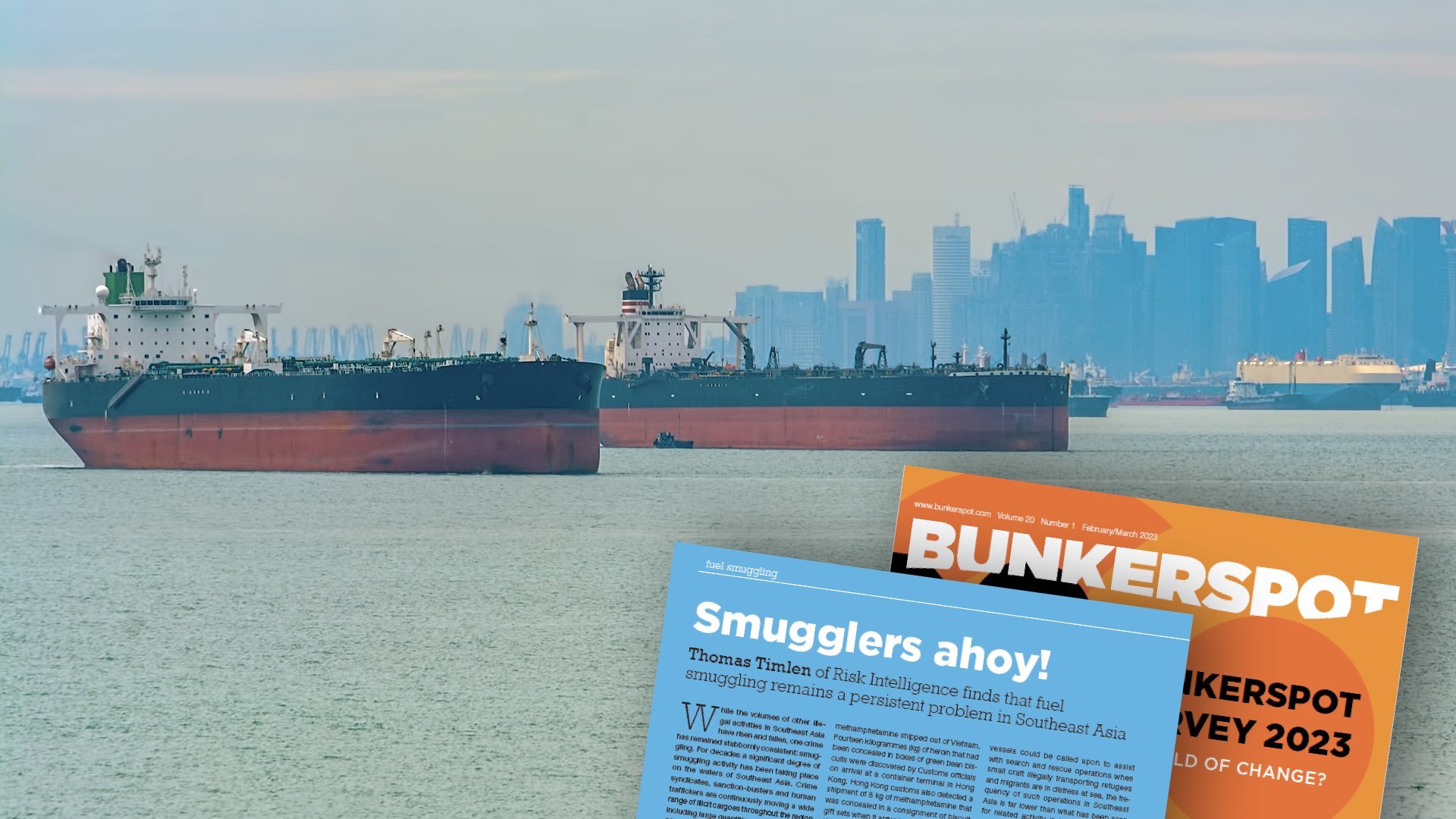
Risk Intelligence analyst Thomas Timlen wrote an article for Bunkerspot magazine highlighting the significance of smuggling, interconnected to other criminal activities in South-east Asia.
This article takes a look at the activity of smuggling and how it has remained constant in South-east Asia, despite the fact that the degree of other illegal acts has altered. Over the years, South-east Asia's waters have seen a significant amount of illegal smuggling activity. Drugs, fuel, and guns, as well as refugees and migrants who have been kidnapped and transported against their will are just some of the illegal cargoes that are constantly being moved throughout the region by criminal organisations and human traffickers.
Maritime piracy: what recent developments of a well-established threat?
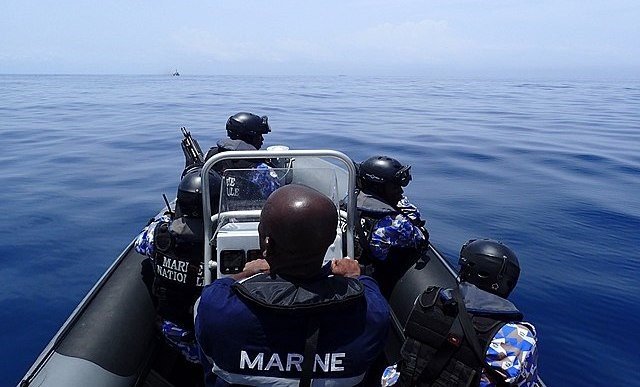
Risk Intelligence analyst Louis Borer recently wrote an article for Diploweb in which he discussed the importance of maritime piracy in the Indian Ocean, the Gulf of Guinea, and South-east Asia, along with the impact on trade and the shipping industry.
Piracy is a real threat to sailors, the shipping sector, and the coastal states that surround piratogenic zones. It is usually linked to local mafia groups, illicit trafficking, or even terrorism; tied to many challenges and crises that shift depending on the economic and geopolitical circumstances.

Who sabotaged the Nord Stream pipeline? Russia and the West blame each other
The Nordics correspondent Jeroen Visser from de Volkskrant interviewed Risk Intelligence’s CEO Hans Tino Hansen on the Nordic Stream pipeline attack and Russia's demand for an independent probe into the incident.
Six months after the Nord Stream pipeline explosion, Russia is demanding an impartial UN investigation. The clarification for this is the release of an article by an American investigative journalist Seymour Hersh who blames the United States government rather than Moscow for the incident. It is believed that the US allegedly sabotaged the Nord Stream pipeline due to Russia's growing influence in Western Europe.
Lloyd's List: 'Yemen risk assessment: Direct threat to shipping remains low but collateral damage hazards remain'
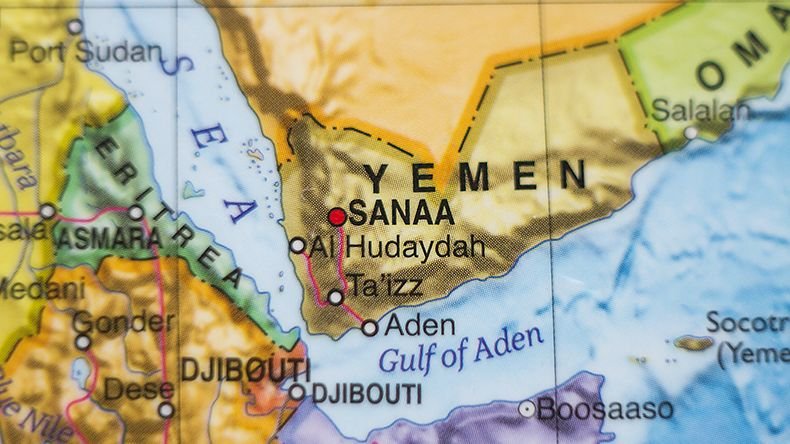
Bridget Diakun had an interview with Risk Intelligence's MENA analyst Kais Makhlouf where he talked about the conflict in Yemen and its potential impact on shipping.
During the recent interview, MENA analyst had the chance to share his thoughts on the current situation and other relevant aspects relevant to the subject. While reflecting on the negotiations between the Yemeni government and Houthi rebel group, Makhlouf said: "As long as the Houthis believe that current negotiations can lead to a beneficial outcome, we believe they will refrain from striking shipping".

Second Line of Defense: ‘The way ahead for Northern European Defense’
Second Line of Defense had an interview with CEO of Risk Intelligence Hans Tino Hansen on the challenges and opportunities for restructuring Northern European defense associated with the addition of Finland and Sweden to NATO.
The article starts with Risk Intelligence’s CEO describing the Northern European defense area as one large continuous region. Therefore, he explains how it extends from North America across the North Atlantic and the Artic alongside the Nordic countries, further down into the Baltic. More, he elaborates on the “three clusters of dense problems” within the region: the first one covers the North Atlantic area, and the challenges around it related to the gap between Greenland, Iceland, and the United Kingdom;
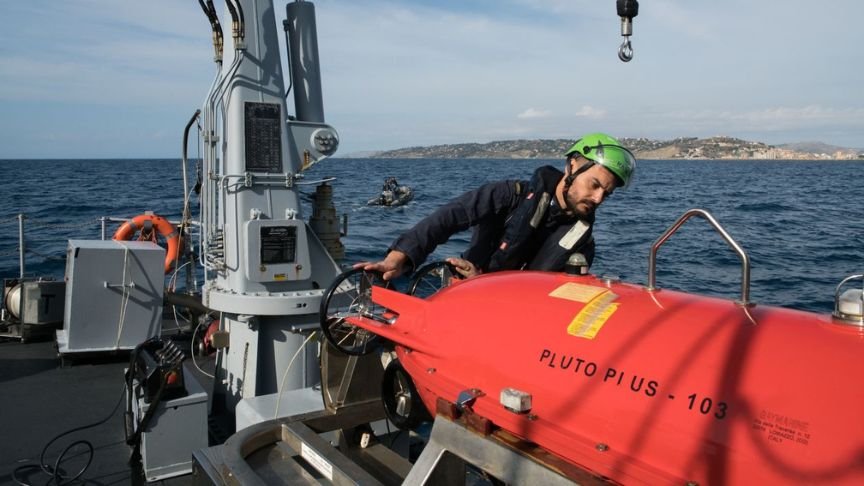
The Wall Street Journal: ‘Fearing Sabotage, Europe Patrols Pipelines With Mine Hunters and Unmanned Subs‘
The Wall Street Journal interviewed Risk Intelligence CEO Hans Tino Hansen on the threats and security risk for critical energy infrastructure, alongside the lack of attention to those since the end of the Cold War.
Risk Intelligence’s CEO Hans Tino Hansen was asked for his opinion on the threats and security risk for critical energy infrastructure. He said that “Europe’s armed forces don’t have the resources needed to fully protect the energy infrastructure“. Moreover, he added “If you operated in the North Sea or in the Baltic after the Cold War, you gave security risk assessments very little consideration.”

The Maritime Executive: ‘Cyber Pirates‘
The Maritime Executive interviewed Risk Intelligence Europe and Russia Analyst Kristian Bischoff on cyber piracy, ransomware and the importance of having the staff instructed on how to behave in the online environment.
Our analyst, Kristian Bischoff, highlighted the power of the cyber world: “Cyber is one of the most effective weapons in the gray zone before a war. It's unattributable, and you don't know from where it comes. You can do many shaping operations, espionage, and plant malware“. Further, he added that "Cyber piracy, where a vessel is held for ransom, does exist," while mentioning that "If you really want to perform destructive activities, interested parties still maintain classic methods such as kinetic weapons.

TAPA Vigilant Magazine: ‘Winter of Discontent’
Steve Bacot, LandRisk Manager at Risk Intelligence, was invited by TAPA's Vigilant Magazine to discuss the emerging energy crisis and its potential implications on supply chain resilience in the coming months.
Given the escalating energy crisis triggered by Russia's invasion of Ukraine, where increasing prices contributed to excruciatingly high inflation, the consequences will be felt for years to come. The article discusses how the energy crisis may affect cargo crime. It also considers how it could influence the supply chain as a whole and gives recommendations for mitigating the effects.
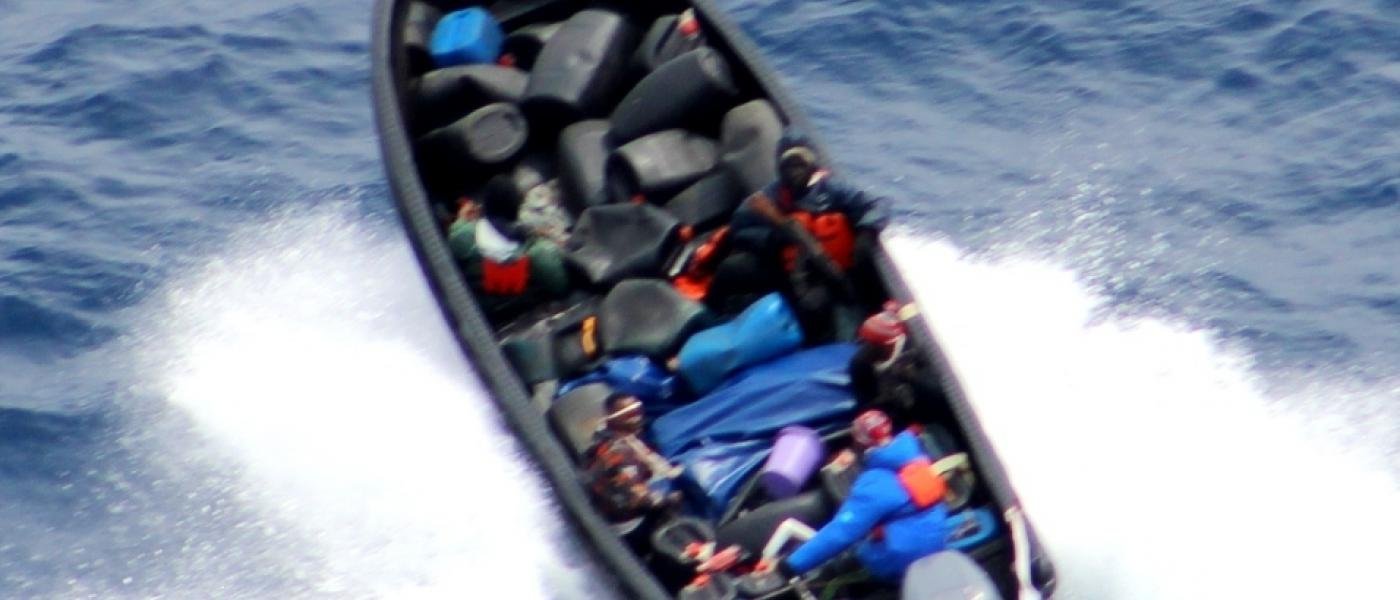
Mer et Marine: ‘Gulf of Guinea: Why is piracy at its lowest?‘
Mer et Marine’s Gael Cogné interviewed Risk Intelligence Senior analyst Dr. Dirk Siebels about the piracy situation in the Gulf of Guinea area, where piracy incidents are suddenly at the lowest level for many months. Siebels shared an overview of the situation in the region outlining current risks and potential gains in the regional and international efforts to combat piracy.
For several months, the waters of the Gulf of Guinea have been strangely calm, writes journalist Gael Cogné before diving deeper into the current situation in the Gulf of Guinea in this feature. The article opens with a number of incidents in the area comparing 2021 with the year 2020, following with information about foreign vessels, local action, theft of crude and risk and gains.