
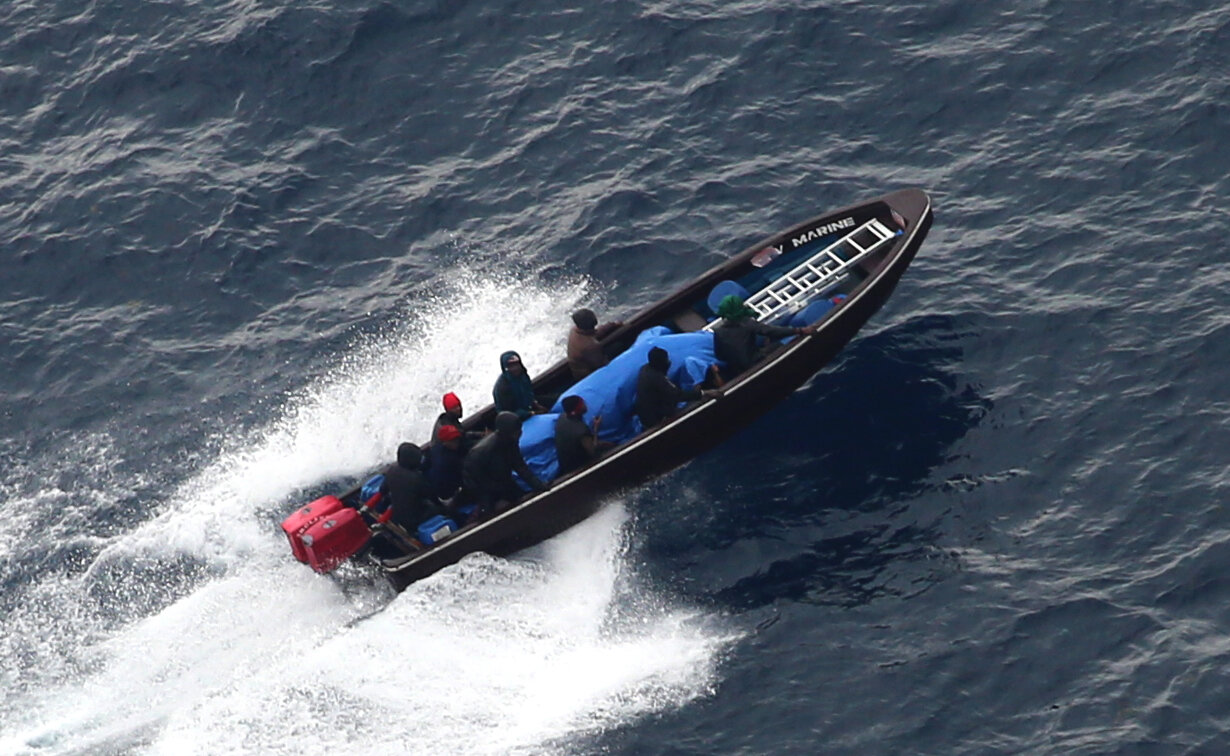
Risk Intelligence welcomes enhanced initiatives that improve maritime security in the Gulf of Guinea
The security situation in the Gulf of Guinea is serious and the risk of piracy to seafarers is understandably on the agenda of the seafarers, shipowners, the media, and politicians from shipping nations around the world. Not to mention the countries and wider stakeholders involved in the region. While not a silver bullet, CEO Hans Tino Hansen welcomes the enhanced initiatives announced this week to improve security in the area.
The Danish initiative to establish an international naval force in the Gulf of Guinea with a couple of warships is certainly not the silver bullet to solve the threat of piracy, as some people seem to think, but it will be an important addition to the counter- and Anti-Piracy operations in the area.
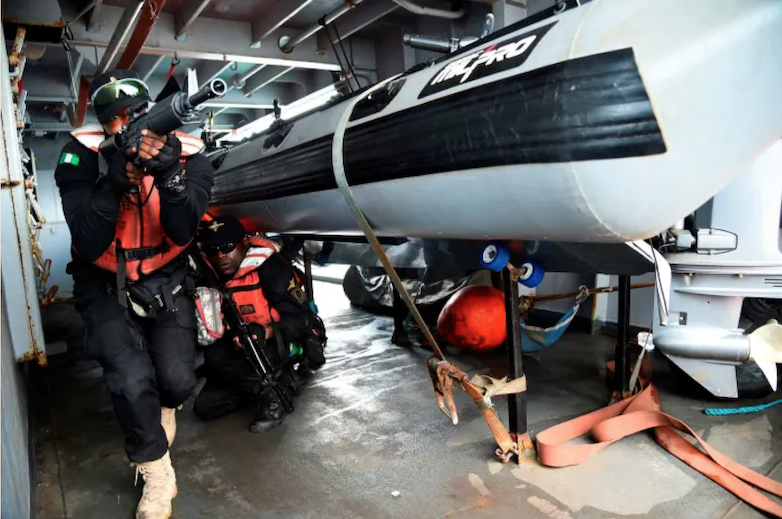
Financial Times: ‘Call for military intervention to combat maritime kidnapping surge’
During our Gulf of Guinea focus in September - October this year, senior analyst Dr. Dirk Siebels held an in-depth webinar on the GoG situation and the changes in threats the region has seen in recent years. One of these changes is a surge in kidnappings. The Financial Times interviewed Siebels on the background of this development.
“These groups are becoming much more comfortable keeping higher numbers of hostages and conducting ransom negotiations," says Dirk Siebels, "which means they get more money and become even greedier next time round." Siebels further explained that pirates also target mariners over cargo to limit time spent on the target vessel - as a way to avoid getting caught.
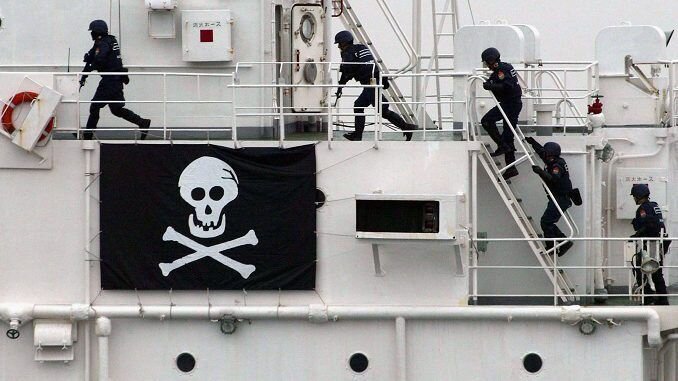
Safety at Sea: ‘Diminished role for armed guards despite piracy risks’
Safety at Sea’s Gabriella Twining reached out to Risk Intelligence for a qualified perspective on the diminishing use by the shipping industry of private maritime security companies (PMSCs), why any engagement of these services must be preceded by a rigorous Voyage Risk Assessment, VRA, and what makes this type of service difficult to use in many of the world’s high risk areas.
Director David Friesem further explained that although armed guards have a high success rate in preventing pirates from boarding vessels, having the onboard can stop vessels from accessing the very waters they are trying to navigate through, as officials consider their presence an offence.
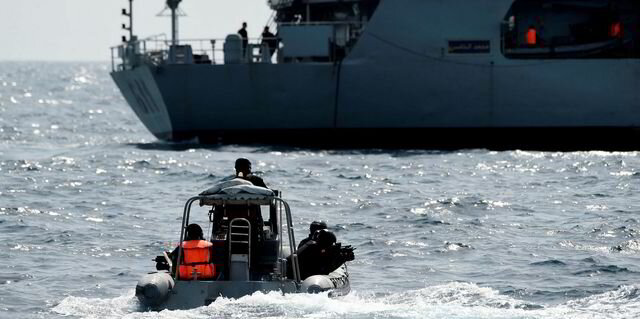
Tradewinds: ‘Is the media guilty of exaggerating West African piracy threat?’
During a webinar on the piracy situation in the Gulf of Guinea, Dirk Siebels brought perspective to the maritime industry’s claim that piracy is increasing in West Africa. Tradewinds’ Gary Dixon got in touch to learn more and share the perspectives in a feature article.
"Every attack is one too many. But the situation, while it is a concern, is far from spiralling out of control. The reality does not match those headline-grabbing claims about things getting worse.”
Merely comparing numbers of hostages does not provide an accurate picture. Many incidents that are reported now would not have been part of official statistics a few years ago and the challenge now may be that the composition of incident types have changed.
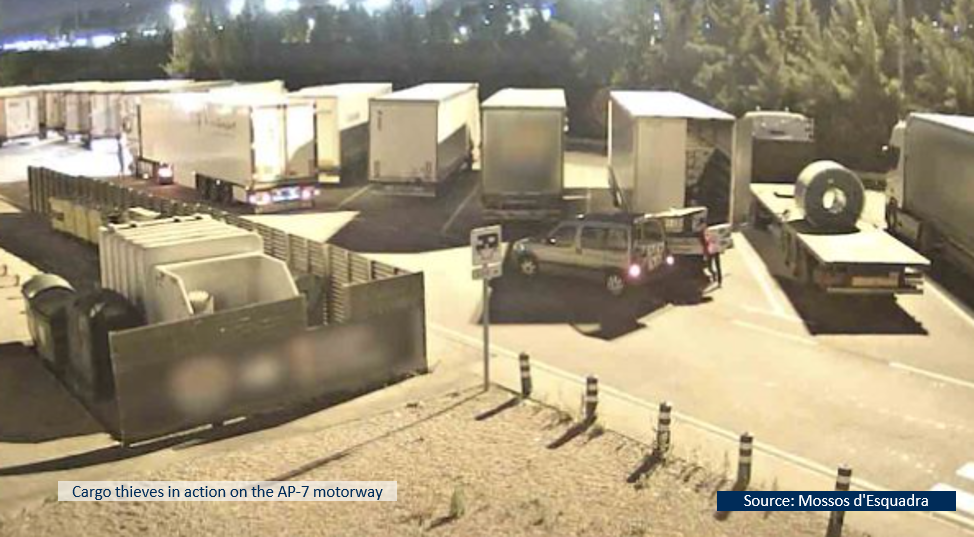
TAPA Vigilant magazine: ‘Barcelona - rolling the dice with last mile deliveries’
Barcelona is a cargo theft hotspot and one of the worst affected regions in Spain. With 70 last mile delivery thefts in the last year and numerous incidents at motorway services and industrial areas on the outskirts of the city, the problem is likely to continue.
So why Barcelona? Steve Bacot and Kristian Bischoff told TAPA’s Vigilant Magazine how Risk Intelligence follows a strict evaluation and analysis method to get to the root of what makes BCN such a risk dense area. In the article, they explain the aspects and give recommendations on how to secure vehicles from the danger of last mile delivery theft and robbery.